
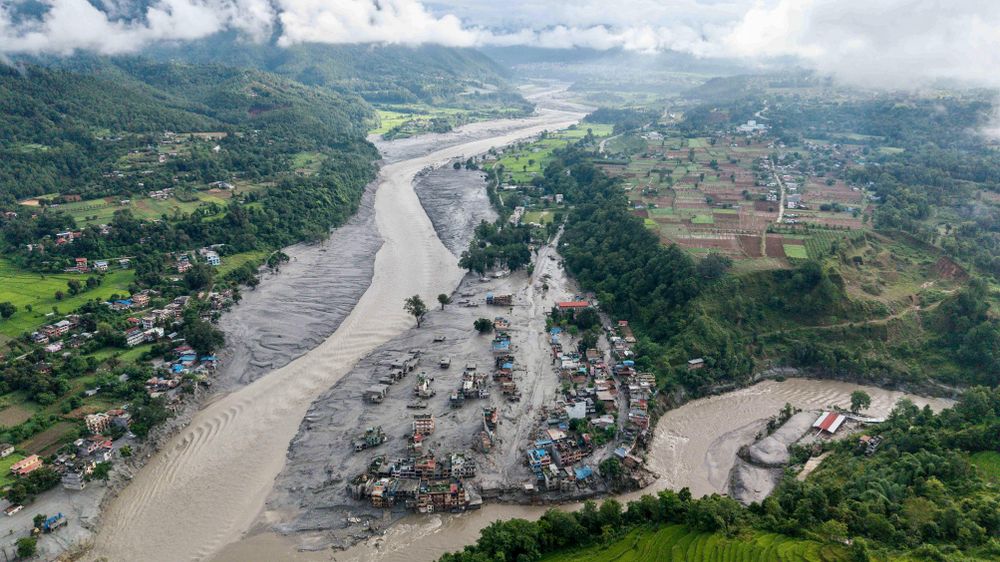
Scientists warn of deadly costs from glacier collapse
THE NEWS: More than 1,300 people were reported missing after a glacier collapsed at the Nepal border, with over 362...
Read moreDetailsEvery alert that matters — when it happens.

Satellite communication services to help ensure tourist safety in Nepal
Nepal, a land renowned for its breathtaking landscapes and challenging treks, is taking a significant step forward in ensuring the safety of its visitors. The integration of satellite communication services is poised to revolutionize how emergency situations are managed, offering a vital lifeline to tourists in remote and often connectivity-deprived regions. This initiative underscores a commitment to providing a secure and reliable travel experience, a crucial factor in attracting and retaining international visitors.
For years, the inherent challenges of Nepal’s mountainous terrain have posed a significant hurdle to effective communication, particularly in emergency scenarios. Traditional mobile networks are often unavailable in high-altitude areas, leaving trekkers and adventurers vulnerable. The reliance on basic satellite phones has been a necessity, but these systems can be costly and cumbersome. The new approach aims to provide a more robust, accessible, and integrated solution.
The core of this advancement lies in the deployment of advanced satellite communication technology. This technology enables real-time data transmission, voice calls, and even location tracking, irrespective of terrestrial network coverage. For trekking communities and tourism operators, this means a vastly improved ability to communicate with rescue teams, medical personnel, and local authorities in the event of accidents, natural disasters, or other emergencies. The implications for search and rescue operations are profound, allowing for faster response times and more targeted interventions.
Beyond immediate emergency response, these satellite services also offer a layer of proactive safety. They can facilitate regular check-ins, weather updates, and access to critical safety information, empowering trekkers to make informed decisions and mitigate risks. Tour operators and guides will have the ability to monitor their groups more effectively, enhancing overall logistical management and preparedness. This comprehensive approach to safety is not just about responding to crises but also about preventing them.
The implementation of these services is a testament to Nepal’s dedication to its burgeoning tourism sector. By investing in critical infrastructure that directly addresses safety concerns, the country is not only protecting its visitors but also bolstering its reputation as a responsible and secure travel destination. This initiative is expected to boost tourist confidence, encouraging more individuals to explore the unparalleled beauty of Nepal, from the Everest Base Camp trek to the Annapurna circuit and beyond.
The long-term vision is to create a seamless network of communication that spans across all popular tourist routes and remote wilderness areas. This will foster a more connected and responsive tourism ecosystem, ensuring that every adventure in Nepal is as safe as it is unforgettable. The focus on leveraging cutting-edge technology for the well-being of tourists is a strategic move that promises to yield significant dividends for Nepal’s tourism industry and its global appeal.
Read the Complete Article.
THE NEWS: More than 1,300 people were reported missing after a glacier collapsed at the Nepal border, with over 362...
Read moreDetails

Experience the magic of the Nile aboard Kenzy Dahabeya, a luxury boutique sailing cruise that offers an unforgettable journey between...
Read moreDetails





