












Comprehensive Summarization:
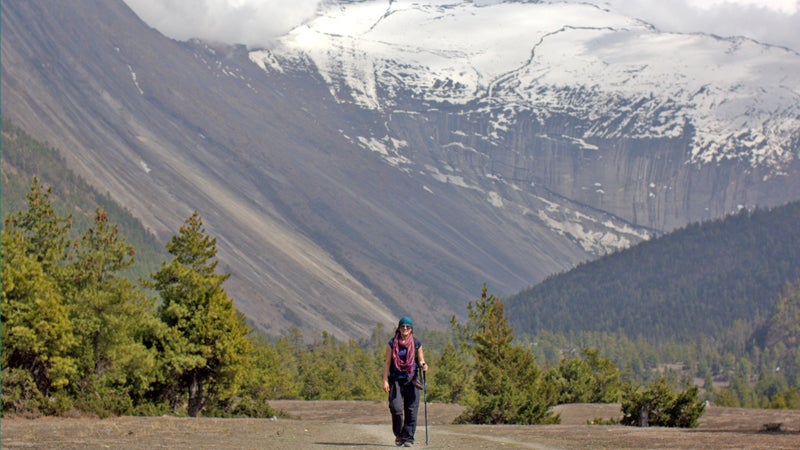
The article discusses a significant regulatory change in Nepal’s tourism industry, specifically concerning trekking and hiking activities. Following the tragic Everest avalanche in April 2014, which claimed the lives of 16 Sherpas, the Nepal Tourism Board has been working to enhance safety measures for foreign tourists. After months of protests from local entrepreneurs, the board has implemented several measures, including the removal of Subash Nirola, the CEO, and the introduction of a new rule mandating the presence of a local guide for all foreign trekkers. This rule aims to ensure that trekkers are accompanied by knowledgeable guides, thereby improving safety standards and providing a more enriching experience for tourists exploring natural wonders like Swargadwari Danda (Heaven’s Hill) in Nepal.
Key Points:
- The Nepal Tourism Board has introduced a mandatory local guide rule for foreign trekkers following the April 2014 Everest tragedy.
- The rule was implemented after months of protests from local entrepreneurs and was a direct response to the need for enhanced safety measures in trekking and hiking activities.
- The new regulation aims to ensure that all foreign trekkers are accompanied by local guides, thereby improving safety standards and providing a more enriching experience for tourists.
Actionable Takeaways:
-
Enhanced Safety Measures for Tourists: The introduction of a mandatory local guide rule is a proactive step towards ensuring the safety of foreign trekkers in Nepal. For travel companies and tour operators, this presents an opportunity to invest in comprehensive training programs for local guides, thereby enhancing the overall tourist experience and potentially increasing bookings by addressing safety concerns.
-
Impact on Local Economy: The rule is likely to have a positive impact on the local economy by creating more job opportunities for Sherpas and other locals who can now work as certified guides. Travel businesses should consider partnering with local guide associations to ensure compliance and maximize the benefits of this regulatory change.
-
Technological Integration for Safety: With the emphasis on safety, there is an opportunity for travel tech startups to develop innovative solutions such as GPS tracking for guides, real-time weather updates, and emergency communication systems. These technologies can further enhance safety measures and provide peace of mind to both tourists and tour operators.
Contextual Insights:
The article reflects a broader trend in the travel industry towards prioritizing safety and sustainability, especially in regions known for their natural beauty and extreme environments. The Nepal Tourism Board’s decision to mandate local guides is a direct response to the tragic events of the Everest avalanche, highlighting the industry’s commitment to learning from past mistakes and implementing stricter safety protocols. This move aligns with the growing trend of responsible tourism, where the focus is on minimizing environmental impact and ensuring the safety of both tourists and local communities.
Looking ahead, the integration of technology in safety measures is likely to become more prevalent. Startups in the travel tech sector can capitalize on this trend by developing solutions that not only enhance safety but also improve the overall travel experience. For instance, AI-driven safety assessments, augmented reality guides, and real-time environmental monitoring systems could become standard features in trekking and hiking tours, setting new industry standards for safety and customer satisfaction.
In conclusion, the mandatory local guide rule in Nepal represents a significant step forward in ensuring the safety of tourists while also presenting opportunities for innovation and economic growth in the travel sector. By embracing these changes and leveraging technological advancements, travel businesses can not only comply with regulatory requirements but also enhance their service offerings and contribute to the sustainable development of the tourism industry.
Read the Complete Article.



