
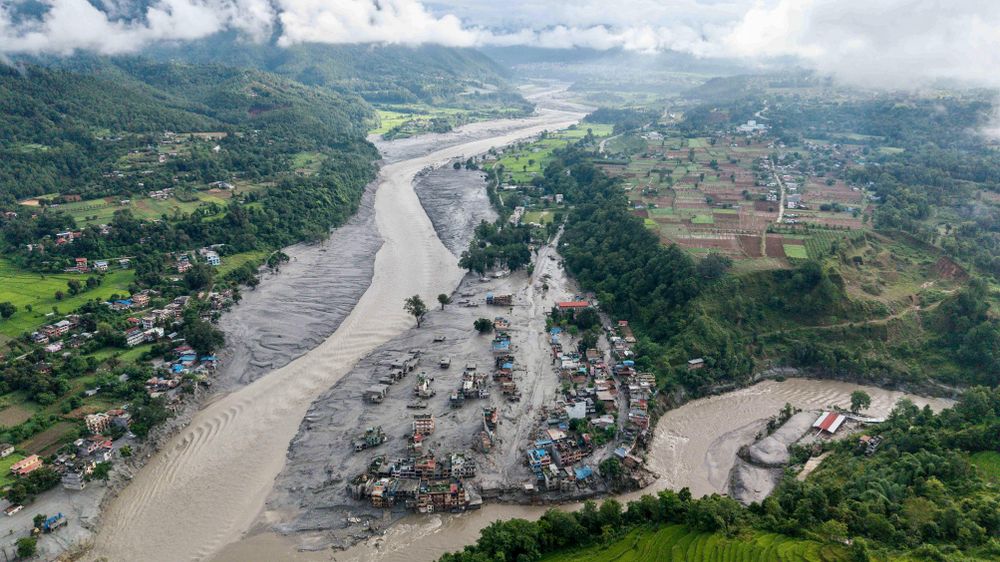
Scientists warn of deadly costs from glacier collapse
THE NEWS: More than 1,300 people were reported missing after a glacier collapsed at the Nepal border, with over 362...
Read moreDetailsEvery alert that matters — when it happens.

RTL Today - Influx of tourism: Nepal waives climbing fees for 97 mountain peaks
Luxembourg is making waves in the world of deep-sea exploration, not from its shores, but through cutting-edge technology and international collaboration. A recent expedition aboard the research vessel Yersin has been actively exploring the underwater landscapes of the Mediterranean, gathering crucial data that could redefine our understanding of marine ecosystems. This ambitious project highlights Luxembourg’s growing commitment to scientific research and its strategic role in addressing global environmental challenges.
The expedition, spearheaded by the University of Luxembourg and the Luxembourg Institute of Science and Technology (LIST), alongside international partners, is utilizing state-of-the-art equipment to probe the depths of the ocean. Remotely Operated Vehicles (ROVs) equipped with high-definition cameras and sophisticated sensors are capturing unprecedented footage and collecting samples from previously uncharted territories. This technology allows scientists to observe marine life in its natural habitat without direct human intervention, minimizing disturbance to these fragile environments.
The primary focus of this exploration is to map biodiversity, understand the impact of climate change on marine habitats, and identify potential new species. The Mediterranean Sea, known for its rich but increasingly threatened biodiversity, serves as a critical testing ground for these advanced research methods. By analyzing the collected data, researchers aim to identify patterns in species distribution, assess the health of coral reefs, and monitor pollution levels. This information is vital for developing effective conservation strategies and informing policy decisions at both national and international levels.
Luxembourg’s involvement underscores its strategic vision to foster innovation in scientific research and position itself as a hub for environmental technology. The nation’s investment in such high-profile expeditions demonstrates a dedication to contributing tangible solutions to pressing global issues. The expertise developed through these deep-sea ventures not only advances fundamental scientific knowledge but also cultivates a skilled workforce capable of tackling future environmental challenges.
The findings from this expedition are expected to be shared widely, contributing to the global scientific community’s understanding of ocean health. This collaborative approach is essential for building a comprehensive picture of our planet’s most vital ecosystem and for fostering collective action towards its preservation. Luxembourg’s pioneering spirit in deep-sea exploration is a testament to its commitment to a sustainable future.
Key Points
Read the Complete Article.
THE NEWS: More than 1,300 people were reported missing after a glacier collapsed at the Nepal border, with over 362...
Read moreDetails

Experience the magic of the Nile aboard Kenzy Dahabeya, a luxury boutique sailing cruise that offers an unforgettable journey between...
Read moreDetails





