













Comprehensive Summarization:
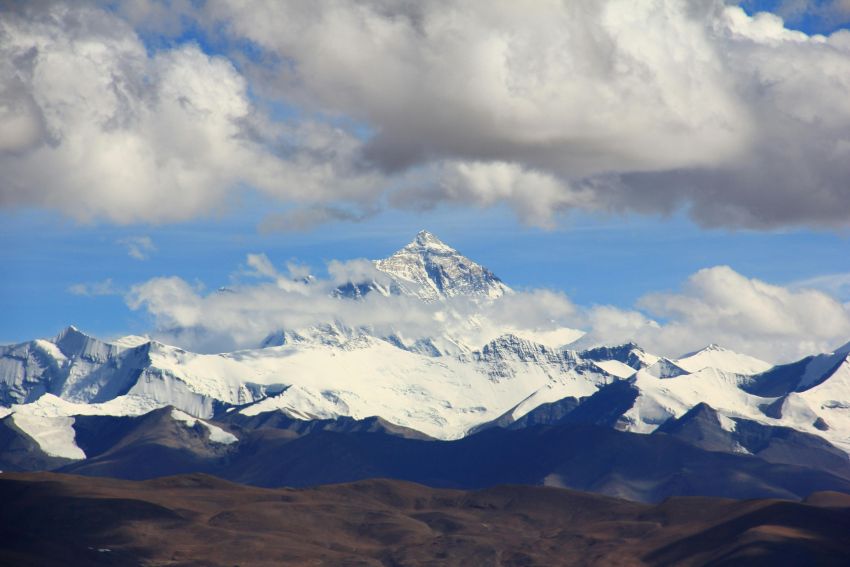
The article discusses a significant legislative overhaul in Nepal aimed at redefining the ethics and logistics of high-altitude mountaineering on Mount Everest. Known as Sagarmatha in Nepal and Qomolangma in Tibet, the mountain has long been the ultimate goal for thrill-seekers and elite athletes. However, recent reports of logistical chaos and environmental degradation have overshadowed its majesty. In response to these issues, Nepal’s Upper House approved a comprehensive new tourism bill. This legislation seeks to address the concerns surrounding the mountain circus phenomenon, aiming to create a more sustainable and ethical approach to Everest tourism. The article highlights the shift towards a more responsible and regulated approach to high-altitude mountaineering, reflecting broader industry trends towards sustainability and ethical practices in adventure travel.
Key Points:
- Nepal’s Upper House has approved a new tourism bill aimed at redefining the ethics and logistics of high-altitude mountaineering on Mount Everest.
- The bill addresses concerns of logistical chaos and environmental degradation associated with Everest tourism.
- The legislation seeks to create a more sustainable and ethical approach to high-altitude mountaineering, marking a shift towards responsible tourism practices.
- The article reflects broader industry trends towards sustainability and ethical practices in adventure travel.
Actionable Takeaways:
-
Adopt Sustainable Tourism Practices: Travel companies and operators should adopt sustainable tourism practices to minimize environmental impact and ensure ethical standards in high-altitude mountaineering. This includes investing in eco-friendly technologies and training staff on responsible tourism practices.
-
Regulatory Compliance: Companies operating in the adventure travel sector should stay informed about and comply with evolving regulations, such as Nepal’s new tourism bill, to ensure ethical and legal operations. This may involve updating policies and procedures to align with new standards.
-
Invest in Environmental Conservation: There is a growing trend towards investing in environmental conservation efforts in popular tourist destinations. Travel companies should consider contributing to conservation projects and promoting eco-friendly travel options to align with industry shifts towards sustainability.
Contextual Insights:
The approval of Nepal’s new tourism bill on Mount Everest is a significant development reflecting the growing emphasis on sustainability and ethical practices in the adventure travel industry. This legislative move aligns with broader industry trends towards responsible tourism, where companies are increasingly adopting practices that minimize environmental impact and ensure the well-being of local communities. The article highlights the shift from a “mountain circus” mentality to a more regulated and responsible approach to high-altitude mountaineering. This trend is likely to influence other adventure travel destinations globally, prompting similar regulatory and ethical reforms. Furthermore, the focus on sustainability and ethical practices opens opportunities for travel startups and fintech innovations aimed at supporting eco-friendly tourism initiatives. Companies that proactively adopt these practices may gain a competitive edge by appealing to a growing segment of environmentally conscious travelers.
Read the Complete Article.



