












Comprehensive Summarization:
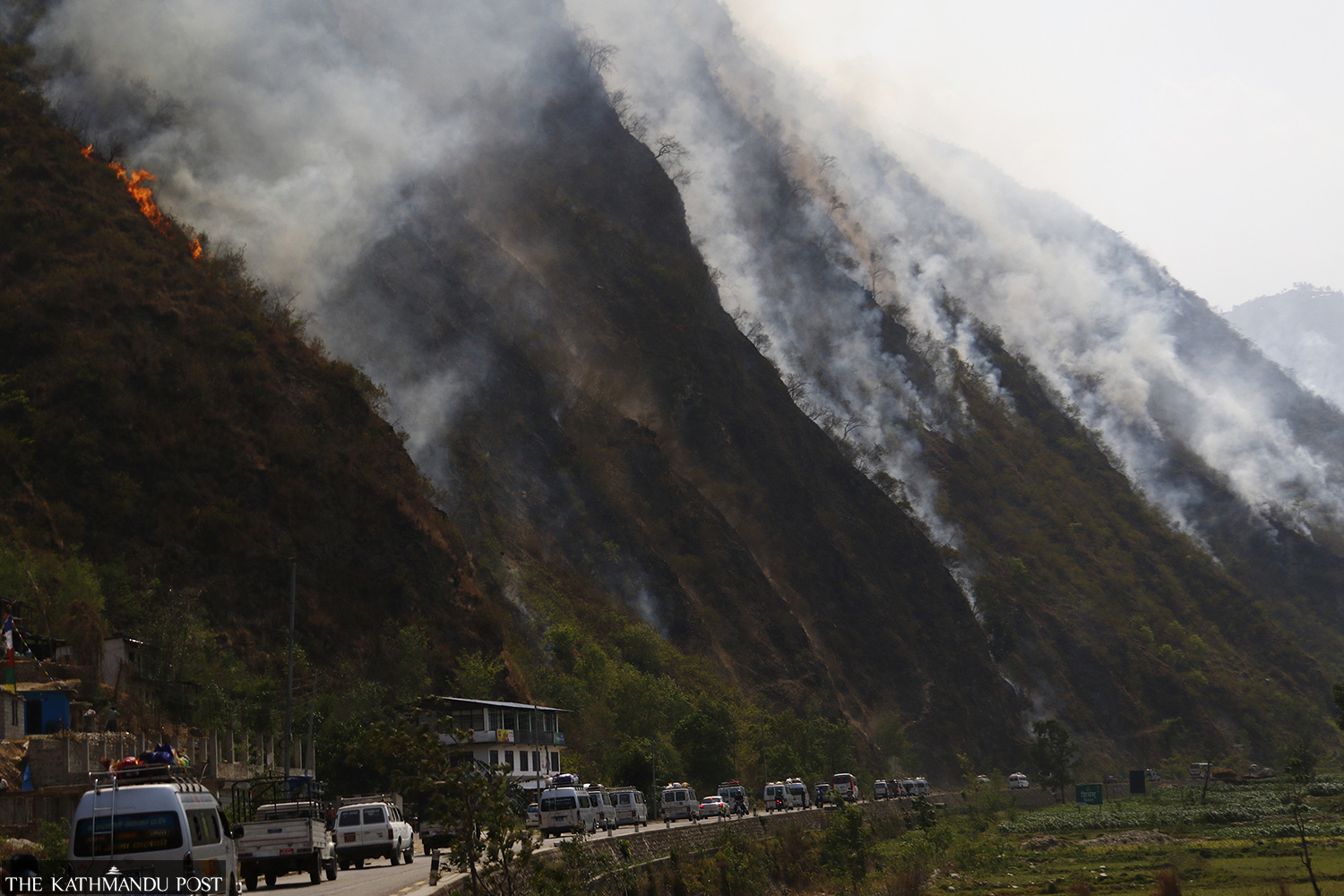
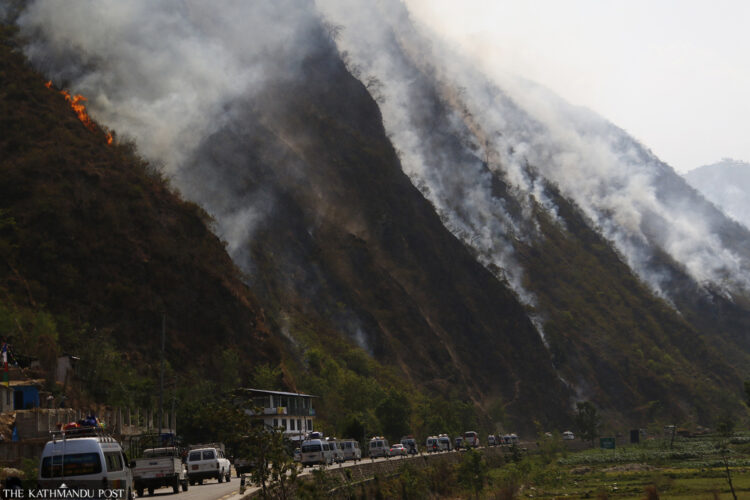
The article highlights the significant impact of air pollution on Pokhara, Nepal’s tourism capital, during the peak tourist season of 2024. The city, known for its stunning mountain vistas, was enveloped in a thick haze, leading to the cancellation or delay of numerous flights. This disruption not only affected tourists, particularly those visiting for mountain sightseeing, but also tarnished Pokhara’s reputation as an exceptional city largely free from air pollution. Similar issues are reported in other tourist destinations like Janakpur and Chitwan, where flights are frequently disrupted due to haze, especially during spring, one of Nepal’s busiest tourism seasons. Locals in Pokhara express concern over the deteriorating air quality, which threatens the city’s tourism industry.
Key Points:
- Pokhara, Nepal’s tourism capital, experienced a thick haze during the peak tourist season of 2024, leading to flight cancellations and delays.
- The haze has dimmed Pokhara’s iconic mountain vistas and disrupted air travel, disappointing tourists, especially those interested in mountain sightseeing.
- The issue of air pollution is not unique to Pokhara; cities like Janakpur and Chitwan are also facing similar challenges.
- Airline officials attribute the frequent flight disruptions to haze, particularly during spring, which is one of Nepal’s busiest tourism seasons.
- Locals in Pokhara are expressing concern over the deteriorating air quality and its impact on the city’s tourism industry.
Actionable Takeaways:
-
Invest in Air Quality Monitoring Systems: Implement advanced air quality monitoring systems in tourist destinations like Pokhara to provide real-time updates to tourists and airlines. This can help in managing expectations and reducing the frequency of flight cancellations due to poor visibility.
-
Promote Eco-Friendly Tourism Initiatives: Encourage the adoption of eco-friendly practices in the tourism sector to combat air pollution. This could include promoting sustainable travel options, supporting local clean-up efforts, and raising awareness about the environmental impact of tourism.
-
Enhance Air Travel Infrastructure: Invest in improving air travel infrastructure, including better runway maintenance and more efficient flight operations, to minimize disruptions caused by poor visibility. This can enhance the overall travel experience for tourists and reduce the economic impact of flight cancellations.
Contextual Insights:
The article reflects a growing concern over air pollution affecting tourist destinations in Nepal, particularly during peak seasons. This trend aligns with broader global trends where environmental degradation is impacting tourism hotspots. The focus on air quality monitoring and eco-friendly tourism initiatives is in line with current industry trends towards sustainability and responsible travel. As the travel industry continues to evolve, addressing environmental challenges will be crucial for maintaining the appeal of destinations like Pokhara. Thought leaders emphasize the importance of integrating technological solutions and sustainable practices to ensure the long-term viability of tourism in regions facing environmental challenges.
Read the Complete Article.



