













Article Summary:
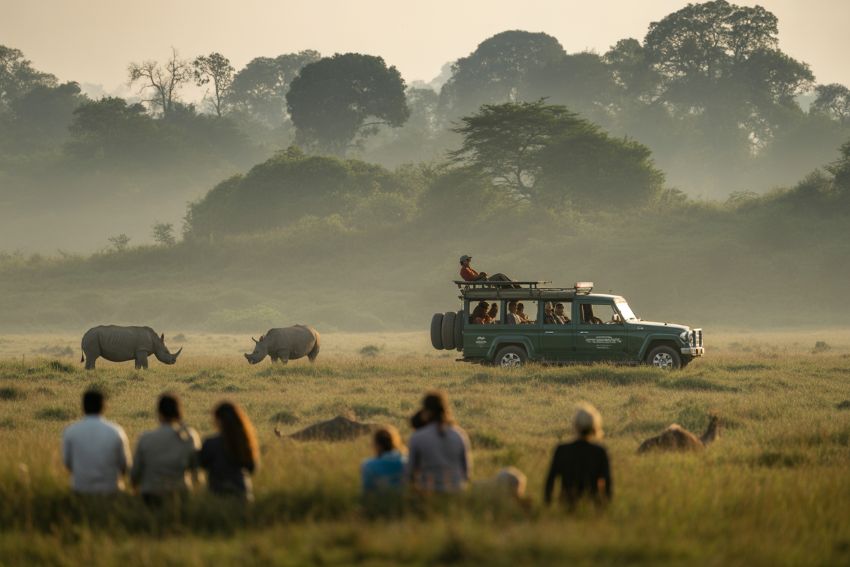
Chitwan National Park in southern Nepal is experiencing a significant surge in foreign tourists, which is positively impacting local hotels and safari experiences. The park, known for its diverse wildlife including rhinos, tigers, and gharials, also offers cultural experiences provided by the indigenous Tharu community. This trend reflects a growing global interest in wildlife tourism, with foreign visitors dominating the park’s tourism landscape while domestic visitors play a smaller but important role.
Key Points:
- Chitwan National Park is a popular destination for both domestic and international visitors, known for its diverse wildlife and cultural experiences.
- Foreign tourists are the dominant segment of the park’s tourism, indicating a growing global interest in wildlife tourism.
- The park’s ecosystem, featuring rhinos, tigers, and gharials, attracts nature lovers and adventure seekers.
- The indigenous Tharu community contributes to the cultural experiences available within the park.
Actionable Takeaways:
-
Increased Demand for Wildlife Tourism: The surge in foreign tourists suggests a growing global interest in wildlife tourism. Travel companies and park authorities should capitalize on this trend by enhancing wildlife viewing experiences and promoting conservation efforts.
-
Cultural Tourism Opportunities: The involvement of the Tharu community in providing cultural experiences presents an opportunity for travel companies to develop and market cultural tourism packages. This can help diversify revenue streams and provide economic benefits to local communities.
-
Sustainable Tourism Practices: With the rise in tourism, there is an opportunity for Chitwan National Park to adopt more sustainable tourism practices. This could include implementing eco-friendly infrastructure, promoting responsible wildlife viewing, and supporting local conservation initiatives.
Contextual Insights:
The article reflects the current trend of increasing interest in wildlife tourism globally. As more travelers seek unique and immersive experiences, destinations like Chitwan National Park are capitalizing on this demand. The surge in foreign visitors highlights the importance of marketing and promoting destinations that offer both natural beauty and cultural richness. Additionally, the role of the Tharu community in providing cultural experiences underscores the potential for sustainable tourism models that benefit both the environment and local communities. As the travel industry continues to evolve, focusing on such holistic and community-driven approaches will be crucial for long-term success and sustainability.
Read the Complete Article.



