












Article Summary:
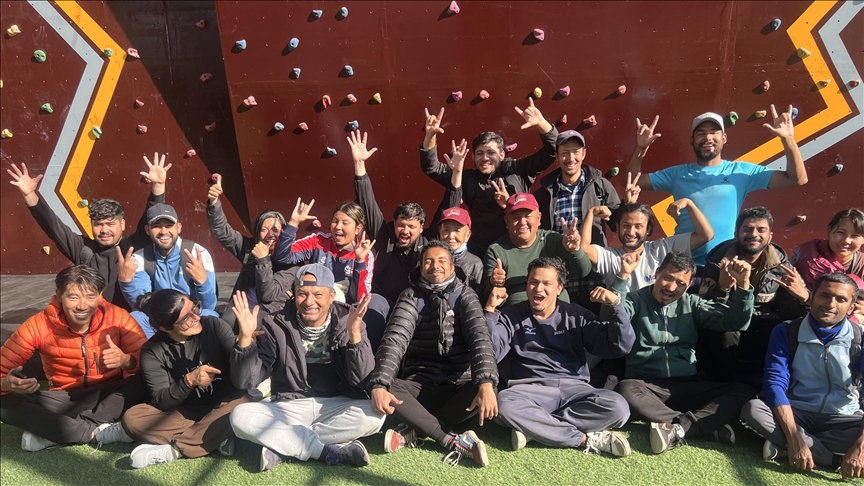
The article highlights a unique program in Nepal that employs deaf guides to lead foreign trekkers through the country’s mountain routes. This initiative aims to tap into an overlooked market of millions of deaf travelers worldwide, thereby expanding job opportunities for Nepal’s deaf communities. The program was initiated when Rajita Deula, a deaf guide, was approached by a group of deaf tourists from Indonesia, the Philippines, and Thailand who required a guide who could communicate with them effectively. This innovative approach addresses the communication barrier faced by deaf travelers, offering a new service in the travel industry.
Key Points:
- Deaf guides in Nepal are using visual communication techniques to safely guide foreign trekkers across mountain routes, addressing a communication barrier for deaf travelers.
- The program aims to expand job opportunities for Nepal’s deaf communities by tapping into a global market of millions of deaf travelers.
- Rajita Deula, a deaf guide, hesitated initially due to lack of formal training but agreed to guide the group as she could communicate with them, a service not available from other guides.
Actionable Takeaways:
- Inclusive Travel Services: Establishing programs that cater to the needs of deaf travelers can open new markets and create job opportunities within the travel industry. This approach not only enhances accessibility but also promotes inclusivity, aligning with current trends towards diversity and accessibility in travel.
- Technological Integration in Travel: The use of visual communication techniques by deaf guides showcases the potential for integrating technology (such as sign language apps or visual aids) into travel services. This could lead to the development of new travel tech solutions that enhance communication and accessibility for all travelers, including those with hearing impairments.
- Market Expansion for Deaf Communities: By focusing on an often-overlooked market segment, businesses can identify new revenue streams and foster a more inclusive travel industry. This strategy can serve as a model for other marginalized groups, encouraging innovation and diversification in travel services.
Contextual Insights:
The article reflects a growing trend in the travel industry towards inclusivity and accessibility, particularly in catering to marginalized communities such as the deaf population. As global travel becomes more accessible, there is an increasing demand for services that accommodate diverse needs, including those of deaf travelers. This initiative by Nepal not only addresses a specific need but also sets a precedent for similar programs worldwide. Furthermore, the integration of visual communication techniques aligns with broader technological advancements in travel, such as the use of mobile apps for translation and communication, which are becoming increasingly prevalent. These trends underscore the importance of innovation in travel services to meet the evolving needs of a diverse global clientele.
Read the Complete Article.



