
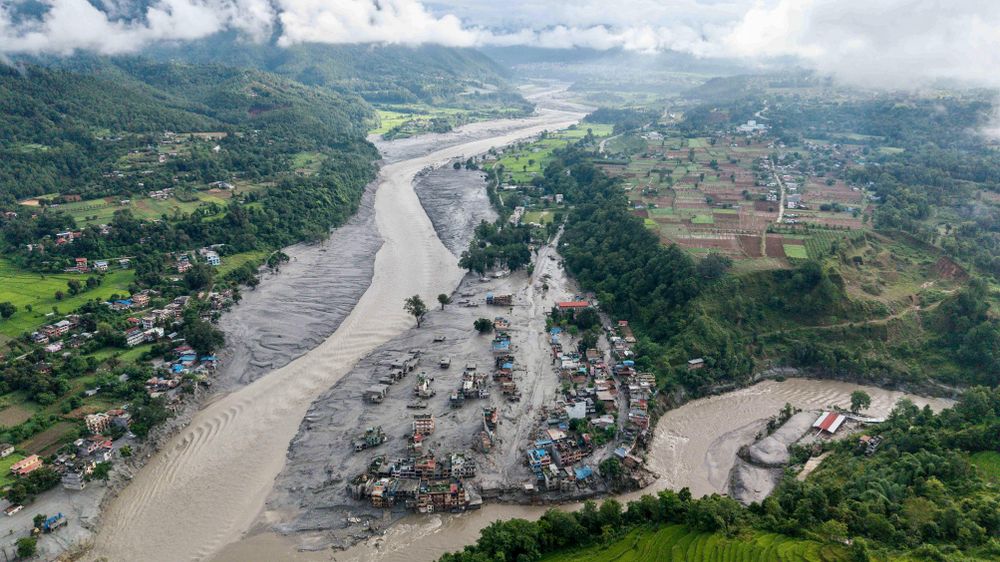
Scientists warn of deadly costs from glacier collapse
THE NEWS: More than 1,300 people were reported missing after a glacier collapsed at the Nepal border, with over 362...
Read moreDetailsEvery alert that matters — when it happens.

Tourists trekking in Nepal along the Annapurna circuit. Photo: Anuska Pradhan
Nepal is embarking on a significant digital transformation within its vital tourism sector with the introduction of an electronic tourist monitoring system. This innovative initiative aims to streamline data collection, improve visitor management, and ultimately boost the efficiency and revenue generation of the country’s burgeoning tourism industry. By moving away from traditional, often manual, data recording methods, Nepal is positioning itself at the forefront of technological adoption in travel.
The core objective of this new system is to create a comprehensive digital footprint of every tourist entering and exiting Nepal. This will allow for more accurate tracking of visitor numbers, their origins, duration of stay, and the regions they visit. Such granular data is invaluable for understanding tourism trends, identifying popular destinations, and recognizing areas that may require further development or promotion. This shift is expected to move beyond simply counting heads, offering deeper insights into traveler behavior and preferences.
A key benefit anticipated from this electronic system is the enhanced ability to manage the flow of tourists, especially during peak seasons. By having real-time information, authorities can better allocate resources, manage infrastructure, and ensure a smoother experience for visitors. This proactive approach can help mitigate issues related to overcrowding and improve the overall quality of the tourist experience, which is crucial for repeat visits and positive word-of-mouth referrals.
Furthermore, the system is designed to bolster revenue collection. By accurately capturing all tourist arrivals and associated fees, the government can minimize revenue leakage and ensure that the economic benefits of tourism are fully realized. This increased transparency and accountability are vital for the sustainable growth of the sector. The digital platform will also simplify administrative processes for both tourists and tourism businesses, reducing bureaucratic hurdles and fostering a more conducive environment for investment and growth.
The implementation of this electronic monitoring system represents a forward-thinking approach by Nepal to modernize its tourism infrastructure. It aligns with global trends towards digitalization and data-driven decision-making. As the system matures, it is poised to provide invaluable data for strategic planning, marketing campaigns, and policy formulation, ensuring that Nepal’s tourism sector remains competitive and resilient in the international market. The focus on leveraging technology underscores Nepal’s commitment to a more efficient, transparent, and economically beneficial tourism future.
Key Points
Read the Complete Article.
THE NEWS: More than 1,300 people were reported missing after a glacier collapsed at the Nepal border, with over 362...
Read moreDetails

Experience the magic of the Nile aboard Kenzy Dahabeya, a luxury boutique sailing cruise that offers an unforgettable journey between...
Read moreDetails





