












Article Summary:
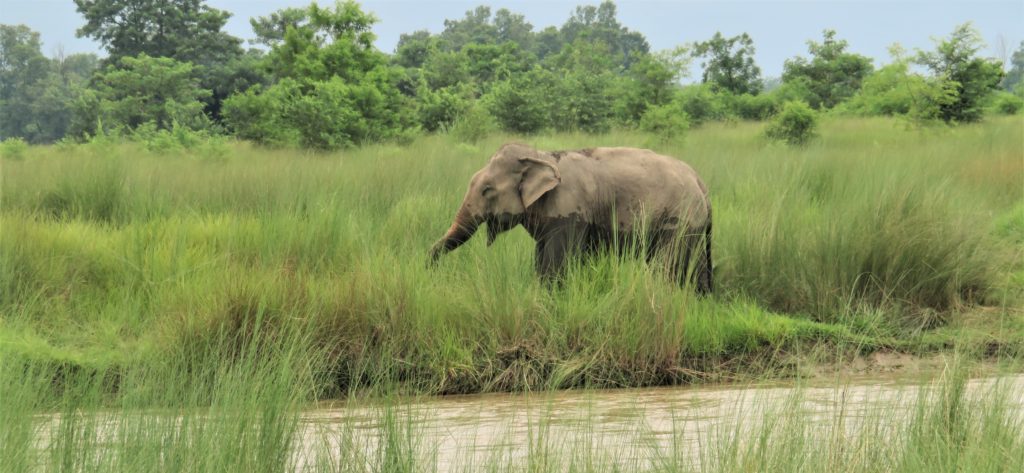
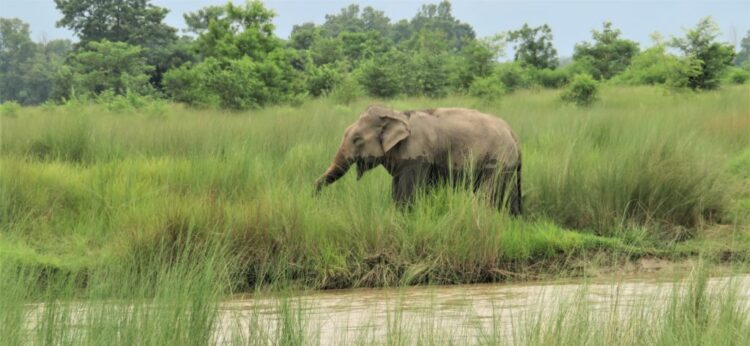
The article discusses the evolving relationship between humans and animals, particularly focusing on the case of elephants in Nepal’s tourism industry. It highlights the emotional and ethical considerations surrounding the treatment of animals like Lucky Kali, a retired elephant, and emphasizes the importance of building connections and shared moments with these creatures. The piece also touches on broader travel trends, underscoring the shift towards more sustainable and ethical tourism practices.
Key Points:
- The article reflects on personal experiences with various animals, emphasizing the unique bond and shared experiences that can occur between humans and animals.
- It critiques the commercialization of animal interactions in tourism, using Lucky Kali as a case study to argue against the mistreatment of elephants for tourist entertainment.
- The piece advocates for a shift towards more ethical and sustainable tourism practices, highlighting the need for animals to be treated with respect and dignity.
- It mentions the broader travel industry trends, including the growing demand for responsible travel and the role of technology in enhancing the travel experience while minimizing environmental impact.
Actionable Takeaways:
-
Prioritize Ethical Tourism: Travel companies should focus on offering experiences that prioritize the welfare of animals over commercial gains. This includes avoiding activities that exploit animals and instead promoting conservation efforts and educational tours that allow tourists to observe animals in their natural habitats.
- Relevance: This aligns with the growing consumer preference for responsible travel options and can enhance brand reputation among eco-conscious travelers.
-
Invest in Animal Welfare Programs: Companies involved in wildlife tourism should invest in programs that ensure the well-being of animals. This could involve funding sanctuaries, improving living conditions, and supporting research on animal behavior and welfare.
- Relevance: Demonstrating a commitment to animal welfare can differentiate a company in a crowded market and attract a niche market of conscientious travelers.
-
Leverage Technology for Sustainable Practices: Utilize technology to monitor and improve the sustainability of tourism activities. This could include using data analytics to track the impact of tourism on local ecosystems and implementing smart solutions to reduce waste and carbon footprints.
- Relevance: As the travel industry faces increasing scrutiny over its environmental impact, adopting technological solutions can help companies meet sustainability goals and comply with emerging regulations.
Contextual Insights:
The article is situated within the context of a rapidly evolving travel industry, where ethical considerations and sustainability are becoming increasingly important. Recent trends indicate a shift towards responsible tourism, driven by both consumer demand and regulatory pressures. Thought leaders in the travel sector are advocating for a more mindful approach to wildlife interactions, emphasizing the importance of preserving natural habitats and ensuring the welfare of animals.
The integration of technology in travel, such as virtual reality experiences that allow tourists to explore destinations without direct animal interaction, represents a forward-looking trend. This not only addresses ethical concerns but also opens up new opportunities for immersive travel experiences. Furthermore, the rise of eco-certifications and sustainability reporting standards provides a framework for companies to measure and communicate their environmental impact, fostering transparency and accountability in the industry.
In summary, the article underscores the need for a paradigm shift in how the travel industry engages with animals, advocating for ethical practices that respect animal welfare while meeting the evolving expectations of conscientious travelers.
Read the Complete Article.



