












Article Summary:
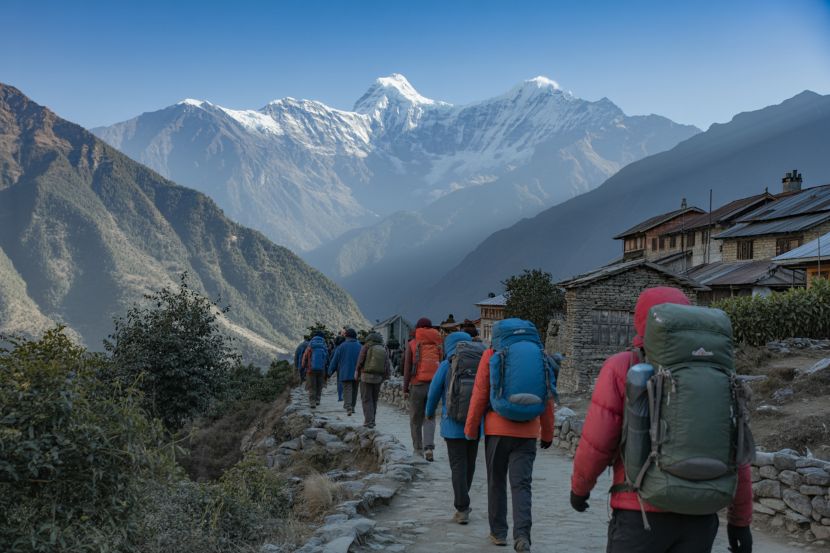
In November 2025, the Annapurna Conservation Area (ACA) in Nepal witnessed a record-breaking surge in foreign tourist arrivals, with 246,575 visitors from January to October. This significant increase marks a major recovery in Nepal’s tourism industry, which was severely impacted by the COVID-19 pandemic. The Annapurna region, renowned for its natural beauty and cultural richness, continues to attract a growing number of tourists, signaling a positive shift in the travel landscape.
Key Points:
- The Annapurna Conservation Area recorded a record 246,575 foreign tourists from January to October 2025, surpassing the previous year’s total.
- This surge in tourist arrivals indicates a major recovery in Nepal’s tourism industry post-COVID-19 pandemic.
- The Annapurna region remains a popular destination, known for its stunning landscapes and cultural heritage.
Actionable Takeaways:
- Investment in Sustainable Tourism Infrastructure: With the increasing number of tourists visiting the Annapurna region, there is a growing need for sustainable tourism infrastructure. Investing in eco-friendly accommodations, waste management systems, and transportation options can enhance the visitor experience while preserving the natural environment.
- Promotion of Cultural Heritage: The surge in tourists highlights the importance of promoting Nepal’s rich cultural heritage. Tour operators and local businesses should focus on offering authentic cultural experiences, such as traditional festivals, local crafts, and historical sites, to attract more visitors and support the local economy.
- Leveraging Digital Marketing: To sustain the growth in tourist arrivals, leveraging digital marketing strategies is crucial. Utilizing social media platforms, travel blogs, and online travel agencies can help reach a wider audience and attract more tourists to Nepal’s scenic destinations.
Contextual Insights:
The resurgence of tourism in Nepal, particularly in the Annapurna region, reflects a broader trend in the travel industry towards recovery and growth post-pandemic. The focus on sustainable tourism practices and cultural heritage promotion aligns with current industry trends, emphasizing the importance of responsible travel. As travel startups and fintech innovations continue to evolve, they play a vital role in enhancing the travel experience, from booking accommodations to managing travel payments. The Annapurna region’s success story underscores the potential for other destinations to recover and thrive in the post-pandemic travel landscape, provided they adopt innovative and sustainable practices.
Read the Complete Article.



