












Comprehensive Summarization:
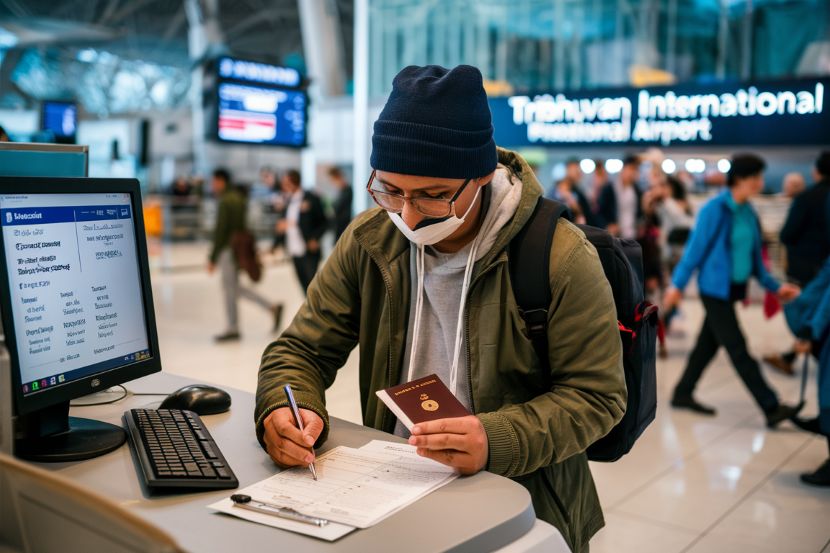
The article reports on a significant regulatory change implemented by the Department of Immigration (DoI) in Nepal, aimed at enhancing the efficiency of immigration procedures at Tribhuvan International Airport (TIA) in Kathmandu. As of February 28, 2026, all Nepali citizens traveling abroad for tourism or other visit purposes are now required to complete a self-declaration form in advance of their arrival at the airport. This new regulation is designed to reduce long queues and minimize delays at the immigration desk, thereby streamlining the airport experience for travelers. The move reflects a broader trend in the travel industry towards leveraging technology to improve operational efficiency and passenger experience.
Key Points:
- The Department of Immigration in Nepal has introduced a new self-declaration form for Nepali citizens traveling abroad.
- The self-declaration form must be completed before travelers present themselves at the immigration desk at Tribhuvan International Airport (TIA).
- The new regulation aims to alleviate long queues and reduce delays at the airport, improving the overall travel experience for Nepali tourists.
- This change represents a shift towards using technology to enhance efficiency in immigration processes within the travel industry.
Actionable Takeaways:
-
Adopt Self-Declaration Technologies: Travel agencies and airlines operating in Nepal should explore integrating self-declaration technologies into their services. This could include developing user-friendly mobile apps or online platforms that allow travelers to complete necessary forms before their arrival at the airport. Such innovations can enhance customer satisfaction and streamline airport operations, aligning with global trends in travel tech.
-
Invest in Immigration Process Automation: Stakeholders in the travel industry should consider investing in automation technologies for immigration processes. By reducing manual intervention and administrative burdens, airports can significantly cut down processing times, leading to smoother travel experiences. This aligns with broader industry trends towards digital transformation and operational efficiency.
-
Monitor Regulatory Changes: Travel businesses should stay informed about regulatory changes in their operating regions. The introduction of self-declaration forms in Nepal underscores the importance of regulatory compliance and the potential benefits of adopting such measures. Businesses that proactively monitor and adapt to regulatory changes can gain a competitive edge by offering more efficient and customer-friendly services.
Contextual Insights:
The implementation of a self-declaration form at TIA reflects a broader industry trend towards leveraging technology to enhance travel efficiency. As the travel industry continues to evolve, the integration of digital solutions such as self-declaration forms and automated immigration processes is becoming increasingly crucial. This shift is driven by the need to address operational inefficiencies, reduce passenger wait times, and improve overall travel experiences. Furthermore, the move aligns with global best practices in travel technology, where innovation is key to staying competitive. For Nepali travelers, this change signifies a more streamlined and hassle-free journey, setting a precedent for other countries to follow. As the industry continues to embrace digital transformation, stakeholders must remain agile and responsive to regulatory and technological advancements to maintain a leading position in the market.
Read the Complete Article.



