












Article Summary:
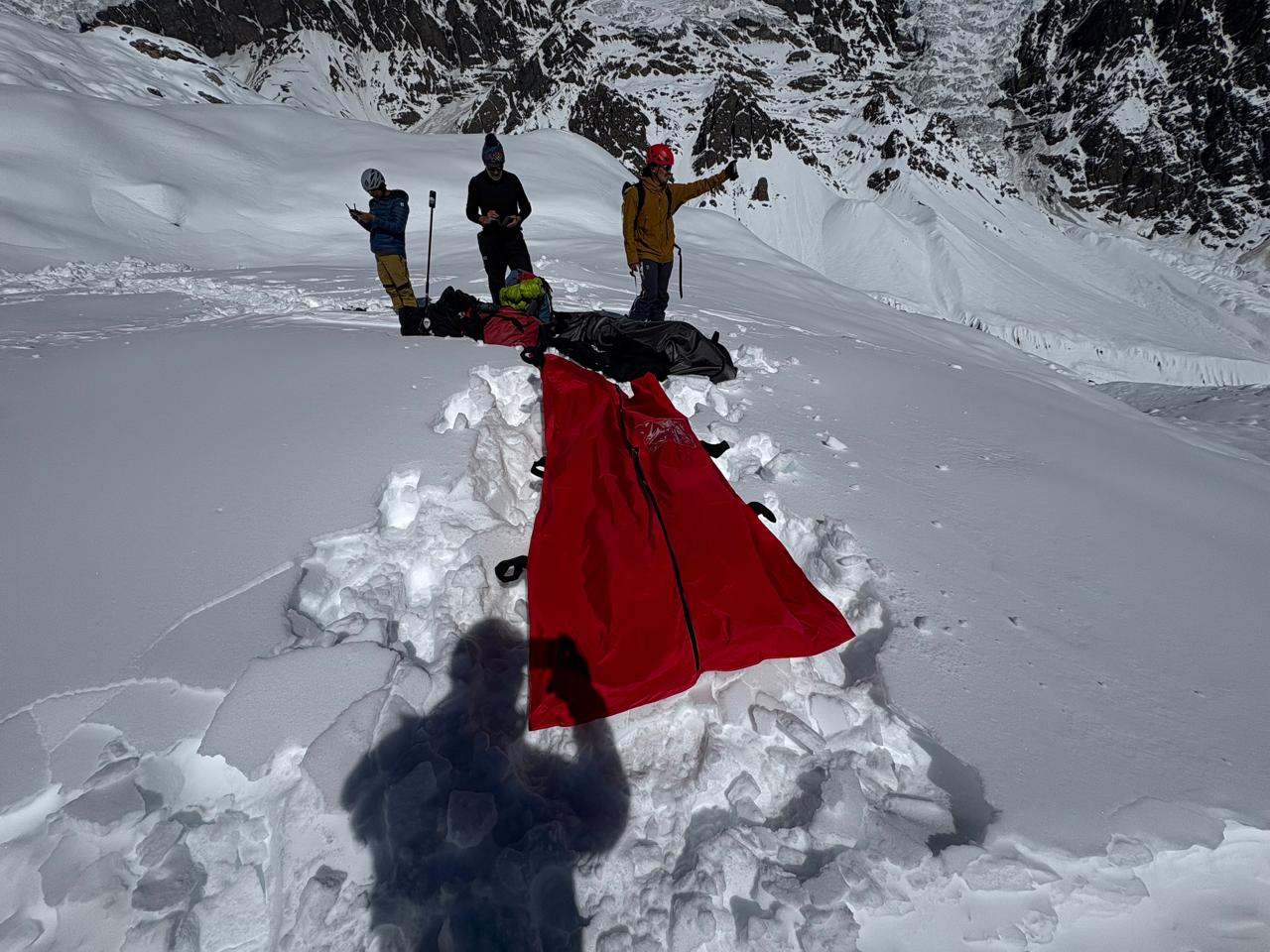
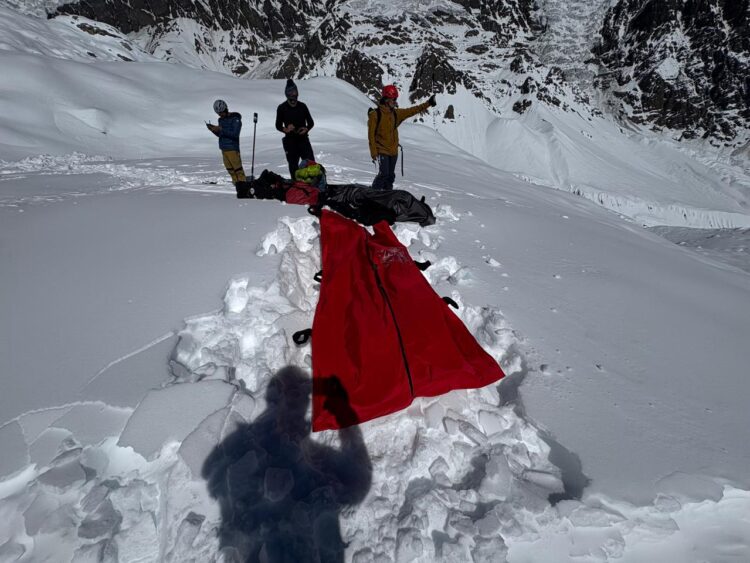
The article reports on a tragic incident in Nepal where seven members of the Dreamers Destination Expedition to Dolma Khang lost their lives while acclimatizing on Yalung Ri. Additionally, two Italian climbers were found dead in Camp 1 on Panbari, buried by snow. The incident underscores the need for authorities and guiding companies to reassess safety protocols for trekking peaks. The article also touches on the broader travel industry trends and insights, emphasizing the importance of safety and preparedness in high-altitude expeditions.
Key Points:
- Seven members of the Dreamers Destination Expedition lost their lives in Nepal while acclimatizing on Yalung Ri.
- Two Italian climbers were found dead in Camp 1 on Panbari, also due to snow burial.
- The incident highlights the necessity for reevaluation of safety protocols in trekking peaks.
- The article underscores the importance of safety and preparedness in high-altitude expeditions.
Actionable Takeaways:
- Enhanced Safety Protocols: Given the tragic loss of life, trekking companies and authorities should immediately review and enhance safety protocols for high-altitude expeditions. This includes better acclimatization schedules, improved emergency response plans, and rigorous safety training for guides and climbers. Relevance: Ensuring the safety of trekkers and climbers is paramount, and this takeaway directly addresses the immediate need for improved safety measures following the incident.
- Investment in Technology for Safety: The article suggests a need for reevaluation of safety protocols, which could be facilitated by advancements in technology such as real-time weather monitoring, improved communication devices, and enhanced tracking systems. Relevance: Incorporating technology can significantly enhance safety measures in high-altitude expeditions, reducing risks associated with unpredictable weather conditions and terrain challenges.
- Increased Training and Preparedness: There is a clear need for increased training for both guides and climbers, focusing on emergency response, first aid, and high-altitude survival skills. Relevance: Enhanced training can better prepare teams to handle emergencies, potentially saving lives in future expeditions.
Contextual Insights:
The incident in Nepal is a stark reminder of the risks associated with high-altitude trekking and climbing. It highlights the ongoing challenges faced by the travel industry in ensuring safety in extreme environments. The emphasis on reevaluating safety protocols aligns with current industry trends that prioritize safety and risk management. Furthermore, the article reflects the growing importance of technology in travel, particularly in sectors where safety is a critical concern. As the travel industry continues to evolve, integrating advanced technologies and prioritizing safety will be crucial for maintaining the trust and confidence of travelers.
Read the Complete Article.



