












Comprehensive Summarization:
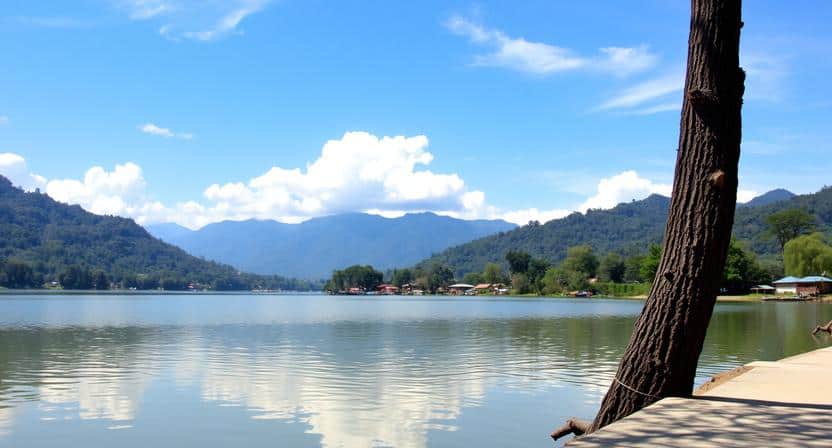
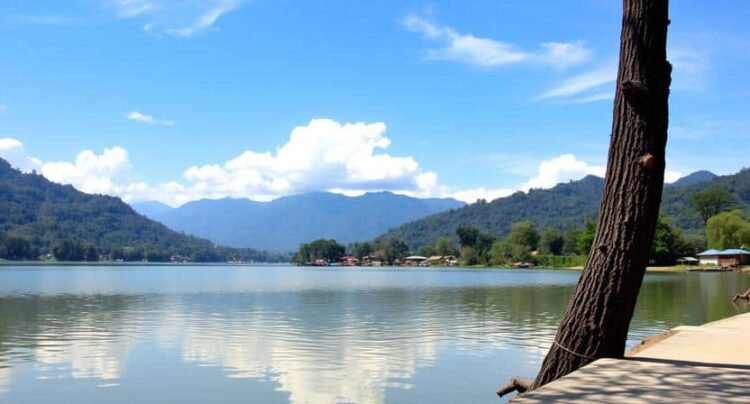
The article highlights Phewa Lake in Pokhara, Nepal, as a burgeoning attraction during the Nepali New Year, underscoring the country’s expanding nature-based and adventure tourism sector in the Himalayan region. The influx of both domestic and foreign tourists during this period is attributed to the serene environment offered by the lake, which includes activities like boat riding. This trend underscores the growing appeal of nature tourism in Pokhara, positioning it as a leader in the region’s tourism industry. The article also touches on the broader context of Nepal’s tourism growth, emphasizing the role of adventure tourism in attracting visitors to the area.
Key Points:
- Phewa Lake in Pokhara becomes a key attraction during the Nepali New Year, experiencing a significant influx of tourists.
- The natural setting of Phewa Lake, combined with activities like boat riding, offers a unique blend of leisure and scenic views of the Himalayas.
- This surge in tourism highlights the growing trend of nature tourism in Pokhara, positioning it as a leader in the region’s tourism industry.
- The article emphasizes the importance of adventure tourism in Nepal, contributing to the country’s growing reputation as a destination for nature-based activities.
Actionable Takeaways:
-
Invest in Nature-Based Tourism Infrastructure: Given the growing popularity of nature tourism in Pokhara, stakeholders in the travel industry should invest in enhancing infrastructure and services related to nature-based activities. This includes improving boat services, creating more scenic viewing points, and developing educational programs about the Himalayan ecosystem to attract and retain tourists.
-
Leverage Adventure Tourism for Economic Growth: The article underscores the potential of adventure tourism in driving economic growth in the region. Travel companies and local businesses should explore partnerships to offer comprehensive adventure packages, including trekking, mountain biking, and cultural tours, to maximize tourist engagement and revenue.
-
Promote Sustainable Tourism Practices: With the increasing number of visitors, there is a pressing need to promote sustainable tourism practices. This includes implementing eco-friendly initiatives such as waste management systems, promoting local conservation efforts, and educating tourists about the importance of preserving the natural environment. Such practices not only enhance the tourist experience but also contribute to the long-term sustainability of the tourism industry in Pokhara.
Contextual Insights:
The article reflects the current trend of nature tourism gaining prominence in the travel industry, particularly in regions with scenic beauty and adventure opportunities, such as Pokhara in Nepal. The influx of tourists during the Nepali New Year underscores the potential of such destinations to attract a diverse range of visitors, from leisure travelers to adventure enthusiasts. This trend aligns with broader industry insights that highlight the importance of experiential travel, where tourists seek unique and immersive experiences that connect them with nature and local cultures.
Moreover, the article’s focus on adventure tourism in the Himalayan region highlights the growing recognition of the Himalayas as a global tourism hotspot. As more travelers seek out off-the-beaten-path destinations, the region’s natural beauty and cultural richness offer unparalleled opportunities for sustainable tourism development. Thought leaders in the travel industry emphasize the need for responsible tourism practices that balance economic growth with environmental conservation, ensuring that destinations like Pokhara can continue to thrive as premier travel destinations.
In conclusion, the article provides valuable insights into the evolving landscape of Nepal’s tourism industry, particularly the rise of nature and adventure tourism in Pokhara. By focusing on actionable takeaways and contextual insights, stakeholders can better navigate the opportunities and challenges presented by this growing trend, positioning themselves for success in an increasingly competitive market.
Read the Complete Article.



