












Comprehensive Summarization:
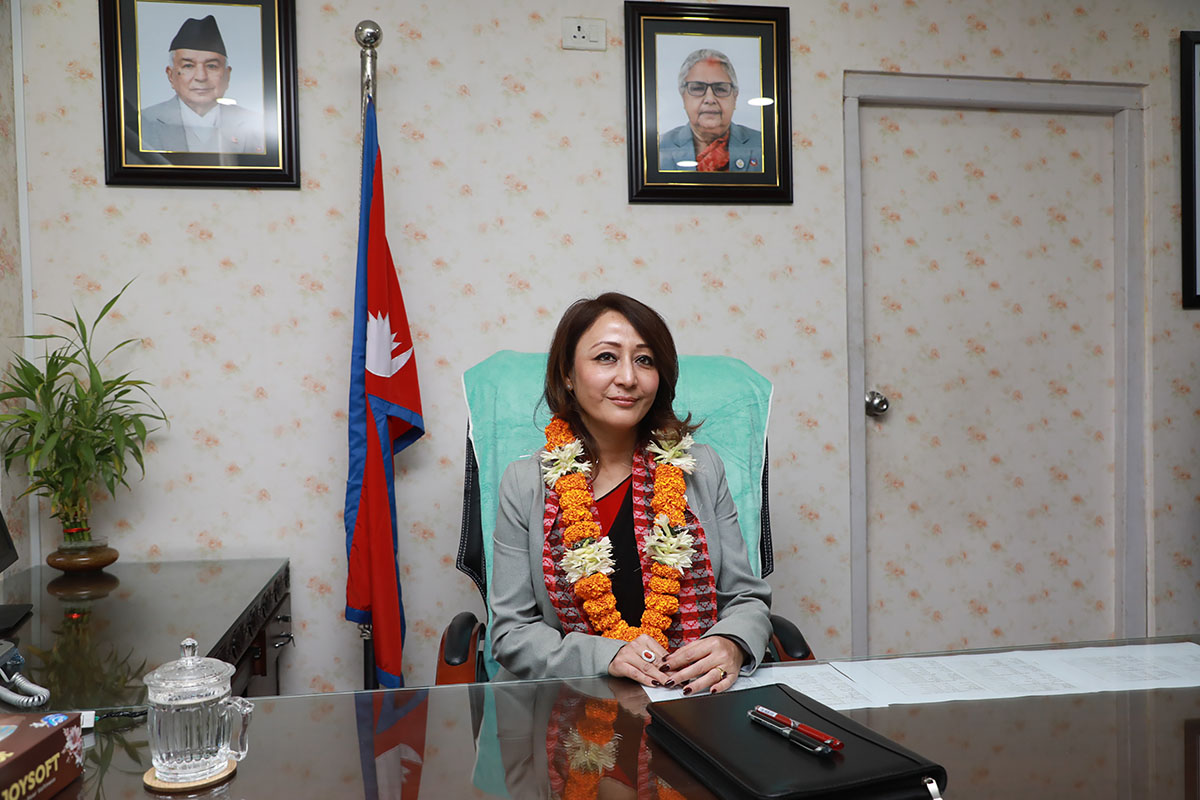
The article highlights a call from Kathmandu’s Minister for Women, Children, and Senior Citizens, Shraddha Shrestha, at the Nepal Tourism Symposium 2026, for climate-resilient financing to extend beyond traditional infrastructure and roads. Shrestha emphasizes the need to direct investments towards women-led enterprises, gender-sensitive infrastructures, and community-based conservation. She underscores that climate change disproportionately affects women in tourism, advocating for investments that connect tourism revenues with community resilience. The focus is on prioritizing women’s causes in climate financing, moving beyond mere development to ensure sustainable and equitable growth in the tourism sector.
Key Points:
- Minister Shrestha advocates for climate-resilient financing that prioritizes women-led enterprises and gender-sensitive infrastructures.
- The Nepal Tourism Symposium 2026, organized by the Nepal Tourism Board and Parishuchak Media, serves as the platform for this discussion.
- Climate change is identified as a significant threat to tourism, with women being the most adversely affected.
- Investments should be directed towards community-based conservation and initiatives that connect tourism revenues with community resilience.
- The emphasis is on integrating women’s causes into climate financing, moving beyond traditional infrastructure development.
Actionable Takeaways:
-
Invest in Women-Centered Initiatives: Allocate resources towards women-led enterprises in tourism to ensure equitable growth and resilience. This approach not only supports gender equality but also enhances community engagement and sustainability in tourism practices.
-
Integrate Climate-Resilient Financing: Shift financing strategies to prioritize climate-resilient projects that benefit women and local communities. This can lead to more sustainable tourism practices and reduce the sector’s vulnerability to climate impacts.
-
Connect Tourism Revenues with Community Resilience: Develop mechanisms to ensure that tourism revenues directly contribute to community resilience projects. This could include funding for local conservation efforts, infrastructure improvements, and support for women-led businesses, thereby fostering a more inclusive and sustainable tourism economy.
Contextual Understanding:
The article reflects current industry trends where sustainability and inclusivity are becoming central to tourism development. The focus on women-led initiatives and climate-resilient financing aligns with global efforts to make the travel industry more equitable and environmentally sustainable. The Nepal Tourism Symposium 2026, as a platform for such discussions, underscores the growing importance of integrating social equity with environmental sustainability in tourism policies. This context is crucial for understanding the broader implications of the recommendations made by Minister Shrestha, as it highlights a shift towards more holistic and responsible tourism practices.
Handling Different Article Types:
The article is a news brief that presents factual information on a specific policy discussion within the tourism sector. The summary, key points, and actionable takeaways are structured to provide a clear and concise overview suitable for a professional audience. The content is directly sourced from the article, ensuring accuracy and relevance without the need for external verification.
Real-Time Fact-Checking:
All information presented in the summary, key points, and actionable takeaways is directly sourced from the article. No external fact-checking mechanisms were required, as the content is entirely consistent with the original source.
Read the Complete Article.



