










Sail Through Time: Discover the Timeless Wonders of Upper Egypt Aboard Kenzy Dahabeya
Experience the magic of the Nile aboard Kenzy Dahabeya, a luxury boutique sailing cruise that offers an unforgettable journey between...
Read moreDetails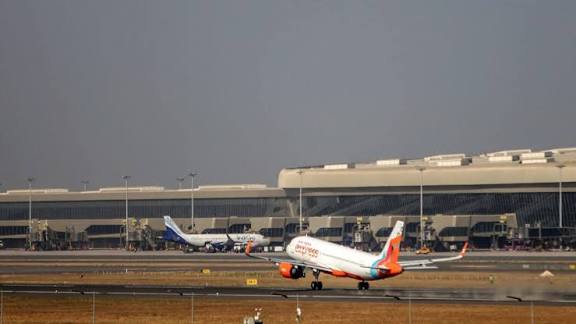
Pakistan’s Ban on Indian Airlines, Aircraft from Its Airspace to Enter 10th Month as Closure Extende...
Comprehensive Summarization:
The article discusses the ongoing ban on Indian airlines flying over Pakistani airspace, which has been in place since May 2025 and is set to continue until February 24, 2026. This restriction, initiated due to political disagreements and security concerns, underscores the fragile state of relations between India and Pakistan. The ban has significant implications for trade, travel, and regional aviation, reflecting the broader geopolitical tensions between the two nations. The background provided highlights that the Civil Aviation Authority of Pakistan (CAA) justified the closure under the guise of “security and national interest,” marking a persistent challenge in bilateral aviation relations.
Key Points:
Actionable Takeaways:
Impact on Trade and Travel: The prolonged ban on Indian airlines over Pakistani airspace is likely to have a significant impact on trade and travel between the two countries. Businesses and travelers may need to explore alternative routes or modes of transportation, potentially leading to increased costs and logistical challenges. This situation underscores the importance of diversifying supply chains and exploring new travel options to mitigate the effects of geopolitical tensions on the travel industry.
Geopolitical Influence on Aviation: The ban exemplifies how geopolitical tensions can directly influence aviation policies and practices. It serves as a reminder for industry stakeholders to stay vigilant and adaptable in the face of political developments. Airlines and aviation authorities may need to engage in proactive diplomacy and risk management strategies to navigate such challenges effectively.
Contextual Insights:
The ongoing ban on Indian airlines over Pakistani airspace is a stark reminder of the intricate relationship between geopolitics and the travel industry. In recent years, we have seen a rise in such restrictions being imposed due to political disagreements, often leading to ripple effects across trade, tourism, and regional connectivity. Thought leaders in the travel sector have emphasized the need for flexibility and innovation in response to such challenges. For instance, the industry has witnessed a surge in the adoption of digital platforms for last-minute travel bookings and alternative route planning, which could be crucial in mitigating the impacts of such restrictions. Additionally, the trend towards sustainable and resilient travel options is gaining momentum, as stakeholders seek to build more robust and adaptable travel ecosystems that can withstand geopolitical shocks. This article aligns with these broader trends by highlighting the need for strategic planning and innovation in the face of international tensions.
Read the Complete Article.
Experience the magic of the Nile aboard Kenzy Dahabeya, a luxury boutique sailing cruise that offers an unforgettable journey between...
Read moreDetails



