









Sail Through Time: Discover the Timeless Wonders of Upper Egypt Aboard Kenzy Dahabeya
Experience the magic of the Nile aboard Kenzy Dahabeya, a luxury boutique sailing cruise that offers an unforgettable journey between...
Read moreDetails
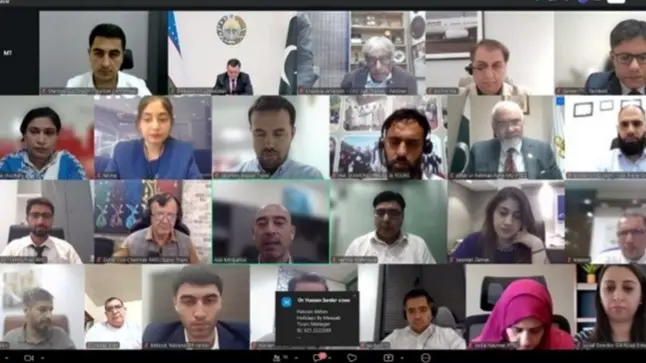
Pakistan, Malaysia explore deeper cooperation in halal food, green energy and tourism
Comprehensive Summarization:
The article highlights the reaffirmed commitment between Pakistan and Malaysia to strengthen bilateral cooperation, focusing on sectors such as halal food, renewable energy, and tourism. During recent discussions, both countries reviewed existing collaborations and explored new opportunities in key growth areas. A significant development announced in October is a $200 million quota for halal meat trade, aimed at boosting commerce in halal food products. This initiative underscores the countries’ intent to deepen economic and sectoral ties, reflecting broader efforts to enhance mutual trade and collaboration within the Muslim-majority community.
Key Points:
Actionable Takeaways:
Enhanced Halal Trade Opportunities: The announcement of a $200 million quota for halal meat trade presents a significant opportunity for businesses involved in halal food production and distribution. Companies should explore partnerships and investments in this sector to capitalize on the increased trade volume, aligning with the growing demand for halal-certified products in both countries.
Investment in Renewable Energy and Sustainable Tourism: With a focus on renewable energy and sustainable development, both countries are positioning themselves for long-term economic growth. Travel and tourism businesses can explore investments in green technologies and sustainable tourism practices, tapping into the increasing global trend towards eco-friendly travel options.
Labor Mobility Initiatives: The discussion on labor mobility suggests a potential increase in workforce exchanges between Pakistan and Malaysia. Businesses in sectors like hospitality and agriculture can benefit from this trend by hiring skilled labor from either country, thereby enhancing productivity and operational efficiency.
Contextual Insights:
The article reflects a broader trend in the travel industry towards deeper economic ties between Muslim-majority countries, driven by shared cultural values and a focus on halal compliance. The emphasis on renewable energy and sustainable development aligns with global travel trends, where eco-conscious travelers are increasingly seeking destinations that prioritize environmental sustainability. Thought leaders predict that such initiatives will not only boost economic growth but also enhance the travel experience for environmentally aware tourists, thereby opening new avenues for travel startups and fintech innovations focused on sustainable tourism financing.
Handling Different Article Types:
The article is a news brief, providing factual information on a bilateral agreement between two countries. The structured output format ensures that the key points and actionable takeaways are clearly delineated, making it easy for readers to digest and apply the information. The contextual insights integrate current travel trends and expert opinions, offering a forward-looking perspective on how these developments might shape the future of the travel industry in the region.
Read the Complete Article.
Experience the magic of the Nile aboard Kenzy Dahabeya, a luxury boutique sailing cruise that offers an unforgettable journey between...
Read moreDetails



