













Sail Through Time: Discover the Timeless Wonders of Upper Egypt Aboard Kenzy Dahabeya
Experience the magic of the Nile aboard Kenzy Dahabeya, a luxury boutique sailing cruise that offers an unforgettable journey between...
Read moreDetails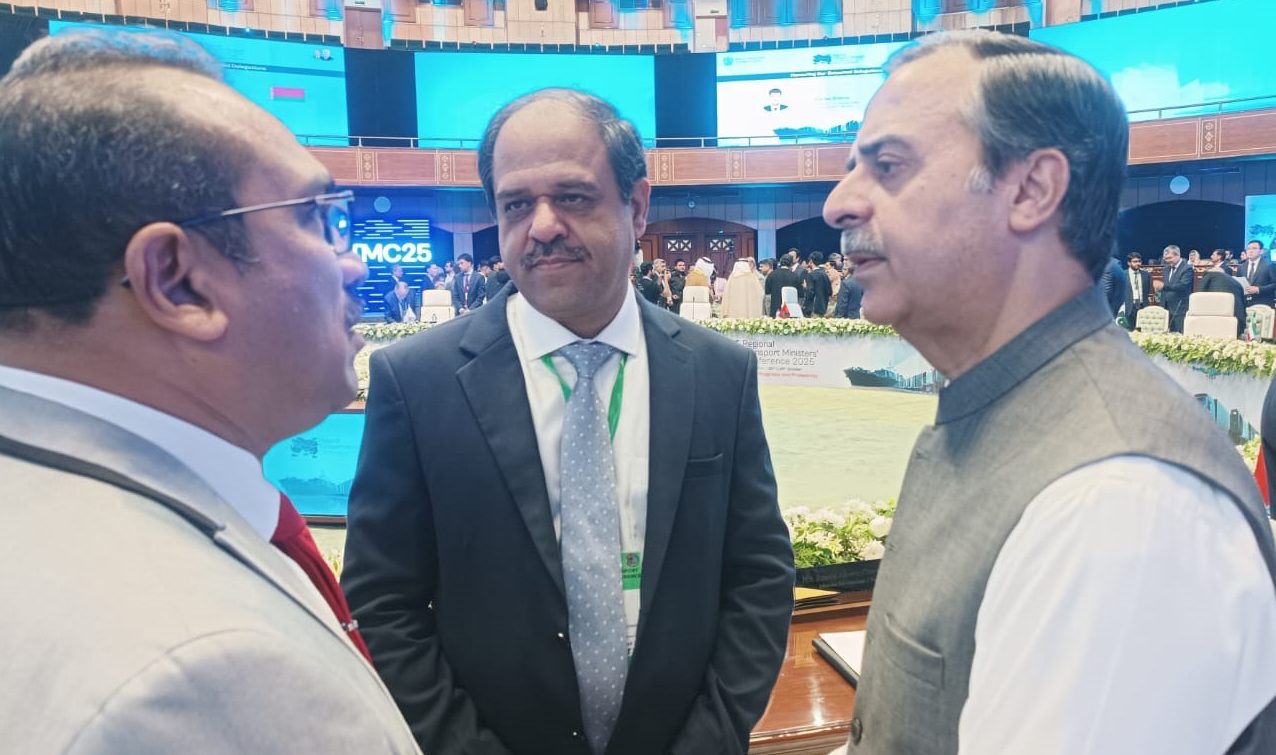
Pakistan, Sri Lanka eye joint blue economy growth via coastal tourism
Pakistan and Sri Lanka, two nations with significant maritime potential, are forging a strategic alliance to harness the power of their shared blue economy, with a particular focus on developing robust coastal tourism initiatives. This collaboration aims to unlock immense economic opportunities, foster sustainable development, and create a vibrant new chapter for both countries.
The shared vision centers on leveraging their extensive coastlines, rich marine biodiversity, and unique cultural heritage to attract a wider array of tourists. By pooling resources and expertise, Pakistan and Sri Lanka intend to develop world-class coastal destinations, offering diverse experiences that cater to both domestic and international travelers. This includes an emphasis on ecotourism, marine adventure sports, and cultural immersion, all while prioritizing environmental conservation.
A key objective is to enhance infrastructure along the coastal regions. This involves improving accessibility, developing modern hospitality facilities, and ensuring the safety and sustainability of tourism operations. Joint ventures and investment opportunities are expected to flow from this partnership, encouraging private sector participation in developing beachfront properties, marine parks, and recreational facilities.
Beyond tourism, the blue economy encompasses a broader range of marine-related activities. The collaboration will also explore avenues for joint research and development in marine sciences, fisheries management, and the sustainable exploitation of marine resources. This integrated approach seeks to create a holistic blue economy framework that benefits all stakeholders.
The potential economic impact is substantial. Increased tourism revenue will directly boost local economies, create employment opportunities, and generate foreign exchange. Furthermore, the development of sustainable marine industries can lead to long-term economic prosperity and reduce reliance on traditional economic sectors. Both nations are keen to position themselves as leaders in the South Asian blue economy, setting a precedent for regional cooperation in marine resource management and development.
The commitment to sustainability is paramount. Both Pakistan and Sri Lanka recognize the delicate balance required to exploit marine resources responsibly. Future initiatives will be guided by principles of environmental protection, community engagement, and equitable benefit sharing, ensuring that the growth of the blue economy contributes positively to the well-being of coastal communities and the preservation of marine ecosystems for generations to come. This partnership marks a significant step towards realizing the full economic and environmental potential of their vast maritime domains.
The article does not explicitly mention specific revenue numbers, KPI’s, or detailed data points. However, the key takeaways and implied figures are:
Read the Complete Article.
Experience the magic of the Nile aboard Kenzy Dahabeya, a luxury boutique sailing cruise that offers an unforgettable journey between...
Read moreDetails



