









Sail Through Time: Discover the Timeless Wonders of Upper Egypt Aboard Kenzy Dahabeya
Experience the magic of the Nile aboard Kenzy Dahabeya, a luxury boutique sailing cruise that offers an unforgettable journey between...
Read moreDetails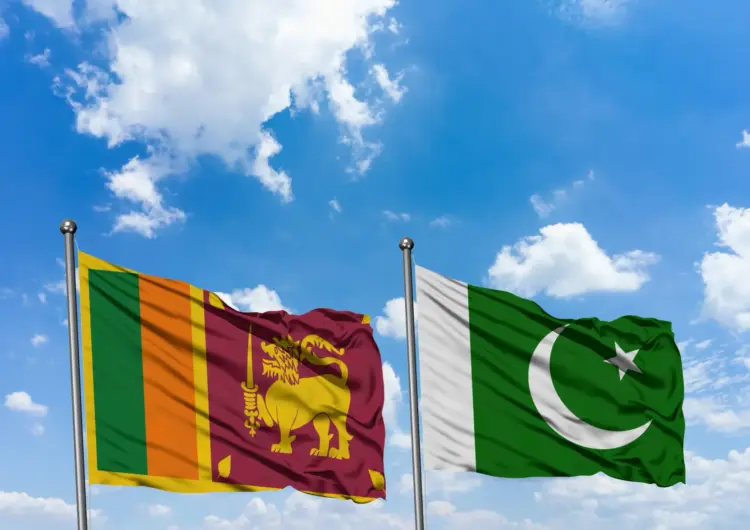
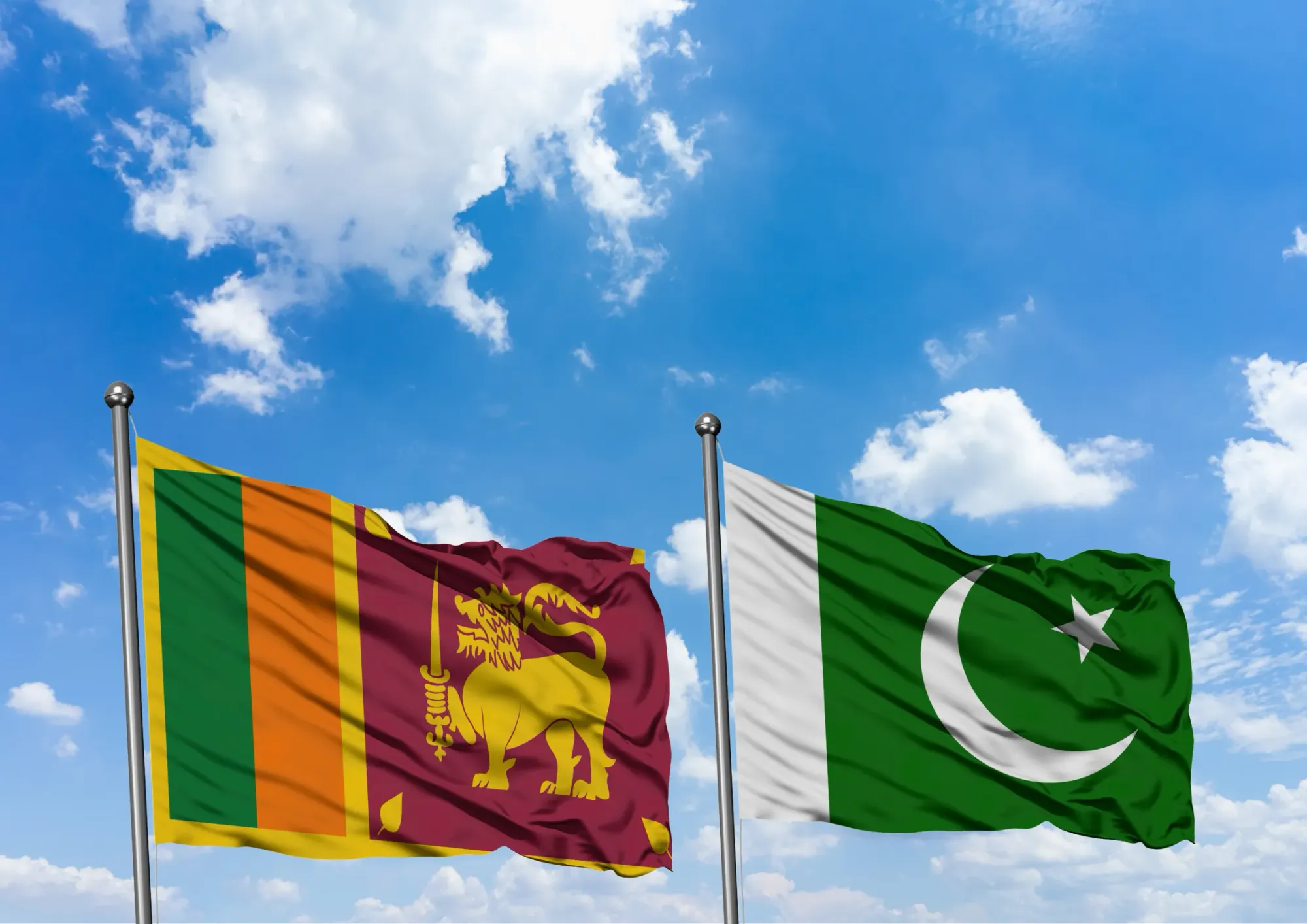
Pakistan and Sri Lanka to Promote Religious Tourism
Article Summary:
Pakistan and Sri Lanka have agreed to strengthen cultural cooperation by promoting religious tourism and expanding joint cultural initiatives, according to an official statement issued on Tuesday. The agreement was reached during a meeting in Islamabad between Pakistan’s Minister for National Heritage and Culture, Aurangzeb Khan Khichi, and Sri Lankan Ambassador to Pakistan, Rear Admiral (retd) Fred Seneviratne. Under the initiative, both countries plan to promote religious tourism as a means of enhancing people-to-people engagement and cultural exchange. Pakistan offers religious tourism experiences to followers of multiple faiths, including Islam, Buddhism, Hinduism, and Sikhism, with numerous shrines, temples, gurdwaras, and Buddhist sites.
Key Points:
Actionable Takeaways:
Contextual Insights:
The agreement between Pakistan and Sri Lanka reflects a broader trend in the travel industry towards cultural and religious tourism, which is gaining traction as travelers seek deeper connections with the places they visit. This trend is supported by thought leaders who emphasize the importance of cultural exchange in fostering global understanding and tourism growth. The initiative aligns with current industry trends, such as the rise of sustainable and responsible tourism, where experiences are curated to respect local cultures and environments. Additionally, the focus on religious tourism can be seen as an opportunity for travel startups to innovate and differentiate themselves in a competitive market. By leveraging technology and digital platforms, companies can enhance the travel experience, offering virtual tours, interactive cultural programs, and personalized itineraries that cater to the interests of religious tourists. This strategic move not only taps into a niche market but also contributes to the preservation and promotion of cultural heritage, which is increasingly valued by modern travelers.
Read the Complete Article.
Experience the magic of the Nile aboard Kenzy Dahabeya, a luxury boutique sailing cruise that offers an unforgettable journey between...
Read moreDetails



