










Sail Through Time: Discover the Timeless Wonders of Upper Egypt Aboard Kenzy Dahabeya
Experience the magic of the Nile aboard Kenzy Dahabeya, a luxury boutique sailing cruise that offers an unforgettable journey between...
Read moreDetails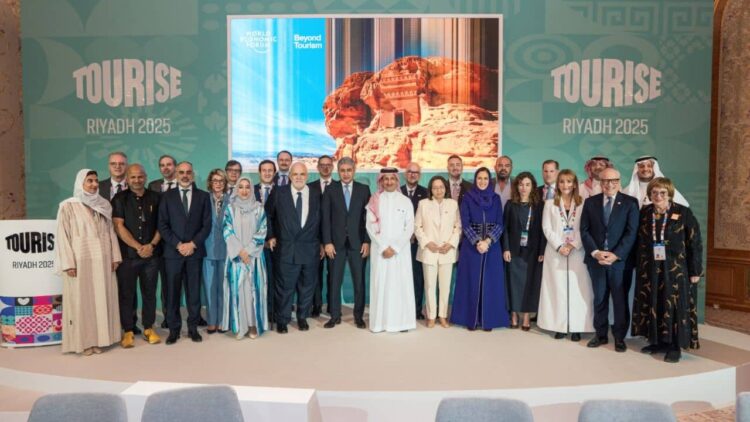
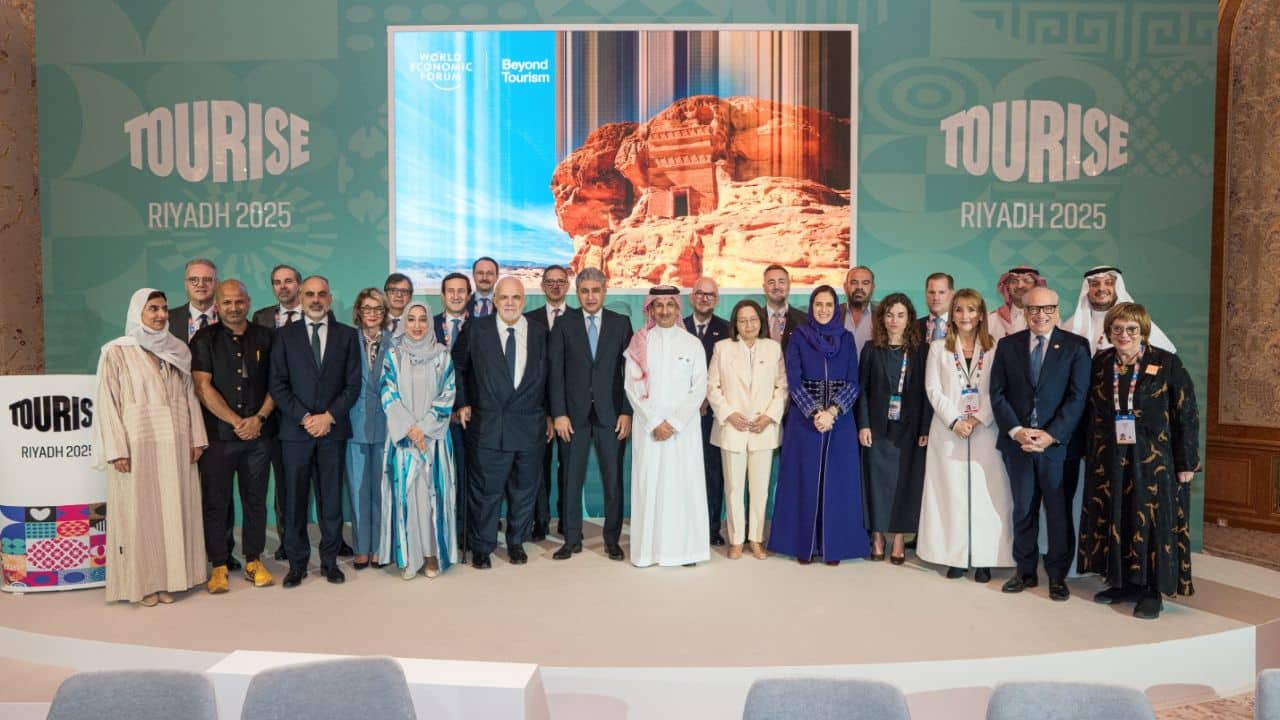
PC Hospitality Engages with Global Leaders at WEF Travel, Tourism and Aviation Forum
Comprehensive Summarization:
The World Economic Forum (WEF) held its Tourism and Sustainable Development conference in Riyadh, Saudi Arabia, bringing together global hospitality and tourism leaders. The event aimed to advance a new vision for sustainable, inclusive, and community-driven tourism, aligning with the WEF’s Principles for Transformative Tourism. Major international brands such as Kempinski, Accor, and Rotana, along with PC Hospitality, participated to outline a forward-looking framework for the sector’s evolution. PC Hospitality contributed insights on sustainable development, local economic empowerment, and the role of hospitality groups in driving responsible sector transformation.
Key Points:
Actionable Takeaways:
Adopt Sustainable Practices: Hospitality groups should adopt sustainable practices to align with the WEF’s Principles for Transformative Tourism. This includes implementing eco-friendly initiatives and supporting local economies, which can enhance brand reputation and attract environmentally conscious travelers.
Focus on Community Empowerment: Companies should prioritize local economic empowerment by engaging with local communities. This can be achieved through job creation, supporting local businesses, and ensuring that tourism benefits are equitably distributed, fostering a sense of ownership and loyalty among local populations.
Leverage Technology for Responsible Transformation: Utilize technology to drive responsible tourism practices. This includes using data analytics for sustainable resource management, enhancing customer experiences through digital platforms, and ensuring transparency in operations to build trust with stakeholders.
Contextual Understanding:
The article reflects the ongoing global emphasis on sustainability and inclusivity in the travel industry. With increasing awareness of environmental and social impacts, the travel sector is under pressure to adopt more responsible practices. The WEF’s Principles for Transformative Tourism provide a guiding framework for stakeholders to navigate these challenges. Innovations in travel tech, such as sustainable travel platforms and community engagement tools, are crucial in facilitating these transitions. The participation of leading brands like Kempinski, Accor, and Rotana underscores the industry’s commitment to these principles, signaling a broader industry shift towards more sustainable and inclusive tourism models.
Handling Different Article Types:
The article is a news brief, providing factual information about a recent conference and its outcomes. The structured summary, key points, and actionable takeaways are tailored to present a clear and concise overview suitable for a professional audience. The insights drawn from the article align with current industry trends, focusing on sustainability, community engagement, and technological innovation.
Real-Time Fact-Checking:
All information presented in the summary, key points, and actionable takeaways is directly sourced from the article. No external verification was necessary, as the content is entirely consistent with the facts provided.
Read the Complete Article.
Experience the magic of the Nile aboard Kenzy Dahabeya, a luxury boutique sailing cruise that offers an unforgettable journey between...
Read moreDetails



