











Sail Through Time: Discover the Timeless Wonders of Upper Egypt Aboard Kenzy Dahabeya
Experience the magic of the Nile aboard Kenzy Dahabeya, a luxury boutique sailing cruise that offers an unforgettable journey between...
Read moreDetails
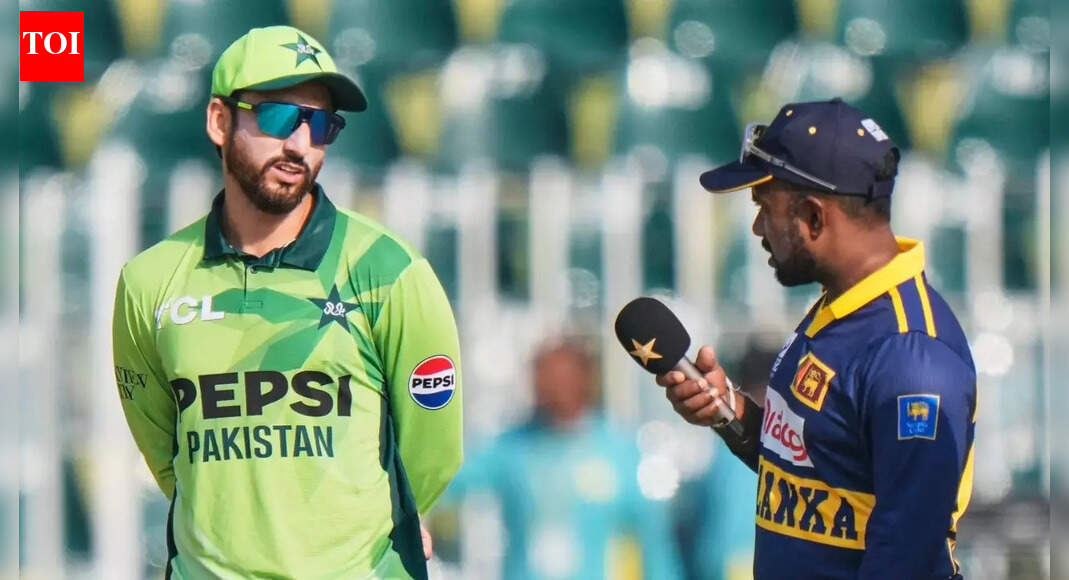
T20 World Cup: Weeks after abandoning Pakistan tour, Sri Lanka sacks Charith Asalanka from captaincy...
Article Summary:
Sri Lanka has replaced Charith Asalanka with Dasun Shanaka as the captain for the T20 World Cup squad. This decision came after Asalanka returned home from Pakistan midway through a triangular series. The move was influenced by Asalanka’s poor batting form and Shanaka’s experience in playing three previous World Cups. Prashant Veer’s parents also reacted to their son’s achievement of securing a contract worth Rs 14.20 million.
Key Points:
Actionable Takeaways:
Contextual Insights:
The article reflects the ongoing emphasis on performance and experience in team selection for international cricket tournaments. The shift from Asalanka to Shanaka underscores the competitive nature of cricket and the need for teams to adapt quickly to changing circumstances. Furthermore, the financial success of players like Prashant Veer highlights the growing intersection of sports and finance, suggesting a future where fintech innovations will play a crucial role in managing player contracts, revenue streams, and sponsorship deals. This trend is likely to spur the growth of startups focused on sports analytics, player management, and financial services tailored for athletes.
Read the Complete Article.
Experience the magic of the Nile aboard Kenzy Dahabeya, a luxury boutique sailing cruise that offers an unforgettable journey between...
Read moreDetails



