
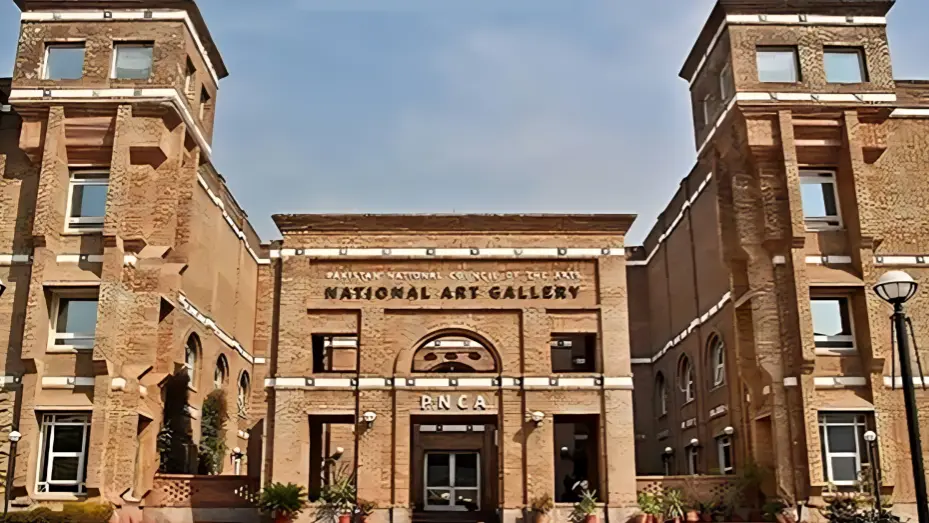
Uzbekistan holds Tourism Days in Pakistan before 35th Anniversary
THE NEWS: Uzbekistan Tourism Days will be held in Islamabad on the eve of Uzbekistan’s 35th independence anniversary, featuring a...
Read moreDetailsEvery alert that matters — when it happens.

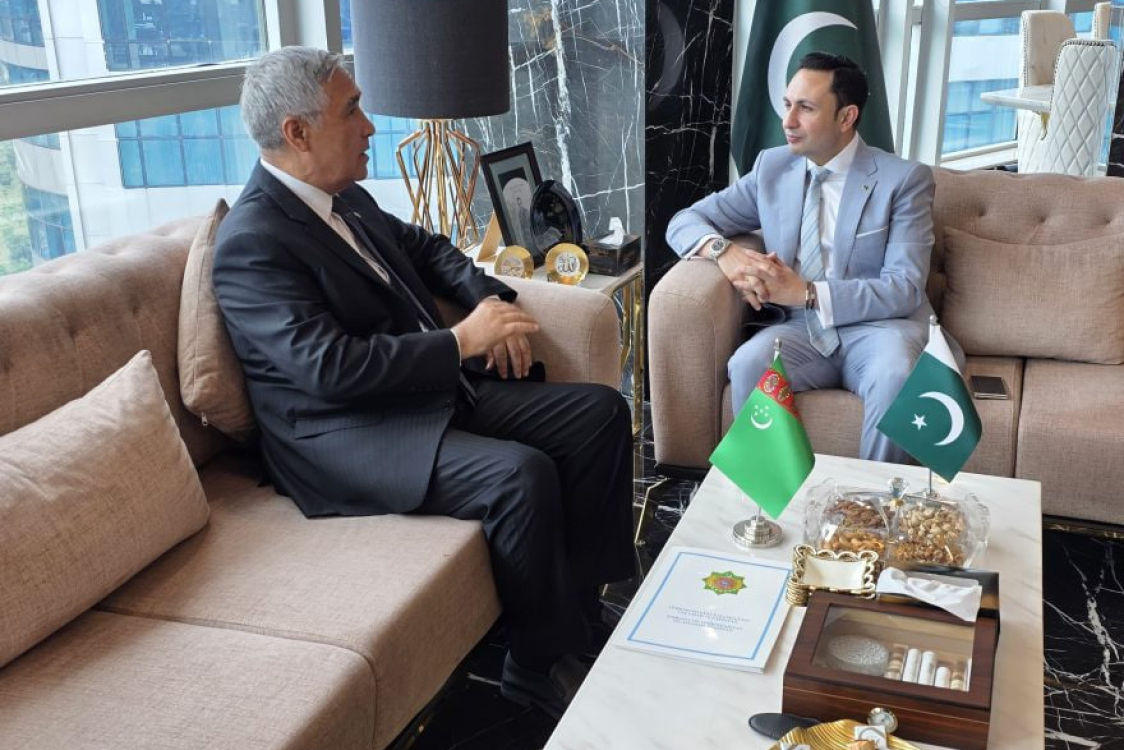
Uzbekistan and Pakistan agree on new joint projects in tourism
Uzbekistan and Pakistan are set to significantly bolster their bilateral tourism relationship, signaling a new era of collaboration aimed at boosting visitor numbers and enhancing travel experiences between the two nations. A recent high-level meeting has paved the way for several groundbreaking joint projects in the tourism sector, promising to unlock the rich cultural and historical potential that lies within both countries.
The discussions, held between Uzbek and Pakistani officials, focused on concrete steps to simplify travel, promote shared heritage, and develop new tourism products. A key outcome is the agreement to create joint tourism packages, designed to attract international travelers by offering seamless travel experiences that encompass the unique offerings of both Uzbekistan and Pakistan. This initiative aims to leverage the distinct attractions of each country, from Uzbekistan’s ancient Silk Road cities like Samarkand, Bukhara, and Khiva, to Pakistan’s majestic mountains, historical sites, and vibrant cultural tapestry.
Furthermore, the two nations have committed to enhancing air connectivity, a critical factor in driving tourism growth. Improved flight schedules and potentially new direct routes are expected to make travel between Uzbekistan and Pakistan more accessible and affordable. This increased accessibility is vital for encouraging more business and leisure travelers to explore the diverse landscapes and historical depth of both Central and South Asia.
The partnership also emphasizes the importance of joint marketing and promotion campaigns. By working together, Uzbekistan and Pakistan aim to raise awareness of their shared cultural heritage and the vast tourism opportunities available. These campaigns will likely target key international markets, showcasing the unique selling propositions of both destinations to a global audience. The focus will be on highlighting the shared history and cultural links that have long connected these regions, creating a compelling narrative for potential visitors.
Another significant aspect of the agreement involves the development of cross-border tourism routes. This initiative seeks to create itineraries that allow travelers to easily transition between Uzbekistan and Pakistan, experiencing a wider range of attractions in a single trip. Such routes could include historical tours, adventure treks, and cultural immersion experiences, providing a more comprehensive and engaging travel adventure.
The Ministry of Tourism and Cultural Heritage of Uzbekistan expressed optimism about the future of this partnership, underscoring the potential for mutual benefit. By fostering closer cooperation, Uzbekistan and Pakistan are poised to unlock significant economic opportunities within their respective tourism sectors, create new jobs, and strengthen diplomatic relations through the powerful medium of shared travel and cultural exchange. This strategic alignment is expected to significantly enhance the appeal of both countries as premier tourist destinations in the region.
Key Points
Read the Complete Article.
THE NEWS: Uzbekistan Tourism Days will be held in Islamabad on the eve of Uzbekistan’s 35th independence anniversary, featuring a...
Read moreDetails
Experience the magic of the Nile aboard Kenzy Dahabeya, a luxury boutique sailing cruise that offers an unforgettable journey between...
Read moreDetails





