Saudi Arabia boosts Cambodian ties and tourism sector
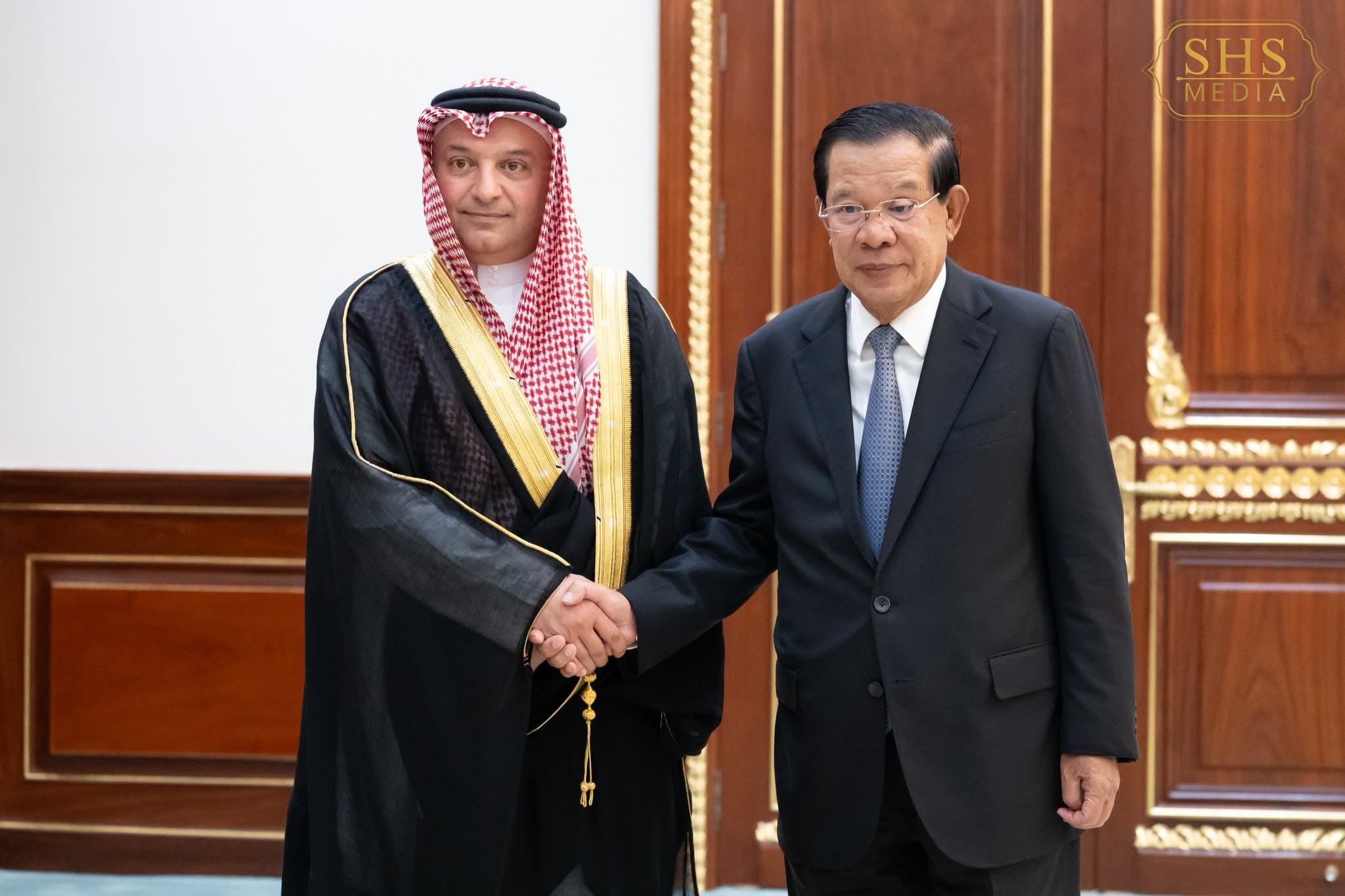
THE NEWS: Saudi Arabia has pledged to engage in Cambodia’s investment sector to raise the level of partnership, a commitment...
Read moreDetailsEvery alert that matters — when it happens.
Cambodia and Saudi Arabia to Unlock Tourism Potential and Boost Investments from Phnom Penh to Riyad...
Comprehensive Summarization:
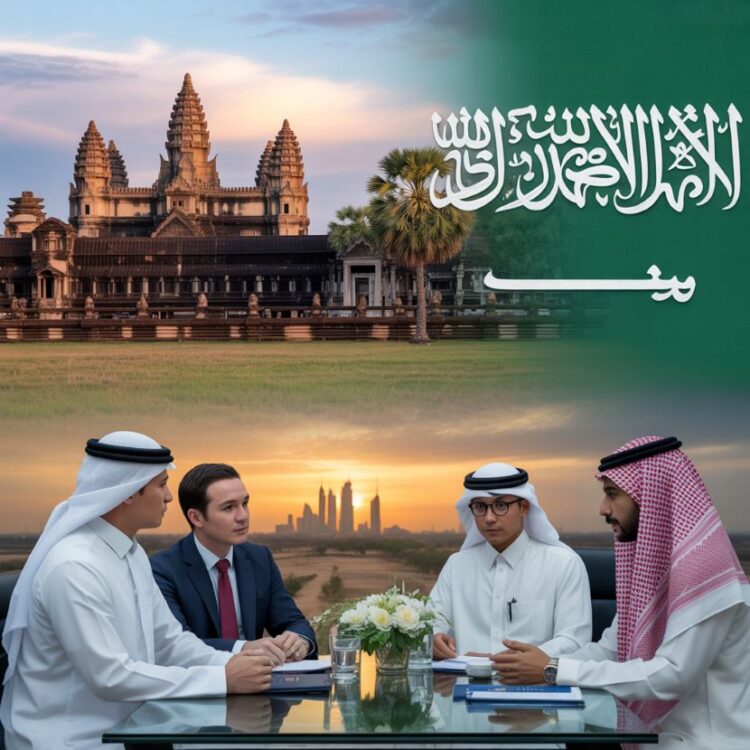
The article reports on a significant development in the tourism sectors of Cambodia and Saudi Arabia, as both nations have agreed to strengthen their economic, trade, and tourism ties. This decision came following a crucial meeting between officials from Cambodia’s Ministry of Tourism, the Cambodia Chamber of Commerce (CCC), and representatives from the Saudi Chamber of Commerce. A key focus of the talks was the collaboration between the private sectors of both countries, with a special emphasis on establishing direct flights. These direct flights are anticipated to serve as a catalyst for increased tourism and investment, linking Phnom Penh to Riyadh. The article highlights the potential for this collaboration to boost tourism and investment flows, positioning Cambodia and Saudi Arabia as key destinations for travelers and investors alike.
Key Points:
Actionable Takeaways:
Enhanced Connectivity through Direct Flights: The establishment of direct flights between Phnom Penh and Riyadh is expected to significantly boost tourism and investment between Cambodia and Saudi Arabia. This development is particularly relevant for travel and investment professionals looking to capitalize on the growing connectivity between these regions. By facilitating easier travel, direct flights can attract more tourists and investors, thereby stimulating economic growth in both countries.
Strengthened Private Sector Collaboration: The focus on collaboration between the private sectors of Cambodia and Saudi Arabia presents a unique opportunity for businesses in both countries to explore new partnerships and investment opportunities. This trend underscores the importance of private sector engagement in driving tourism and economic development. Companies involved in travel tech, fintech, and other related sectors should consider how they can leverage this collaboration to enhance their market presence and contribute to the growth of the tourism industry in the region.
Contextual Insights:
The agreement between Cambodia and Saudi Arabia to enhance their tourism and economic ties reflects a broader trend of regional cooperation in the travel industry. As countries seek to diversify their economies and attract more visitors, such collaborations are becoming increasingly common. The emphasis on direct flights highlights the importance of seamless travel experiences in driving tourism growth. This move aligns with current industry trends that prioritize connectivity and convenience for travelers. Furthermore, the involvement of private sector representatives suggests that innovation and investment will play a crucial role in realizing the full potential of this collaboration. For travel startups and fintech companies, this presents an opportunity to develop solutions that enhance the travel experience and facilitate smoother transactions, thereby supporting the growth of the tourism sector in both countries.
Handling Different Article Types:
The article in question is a news blurb, providing factual information about a significant development in the tourism sector between Cambodia and Saudi Arabia. The summary, key points, and actionable takeaways are structured to reflect the concise and factual nature of the article. The contextual insights draw on broader industry trends and expert opinions to provide a forward-looking perspective on the implications of this development. This approach ensures that the output is tailored to the specific type of article while adhering to the facts and context provided.
Read the Complete Article.
THE NEWS: Saudi Arabia has pledged to engage in Cambodia’s investment sector to raise the level of partnership, a commitment...
Read moreDetails

Experience the magic of the Nile aboard Kenzy Dahabeya, a luxury boutique sailing cruise that offers an unforgettable journey between...
Read moreDetails