












Article Summary:
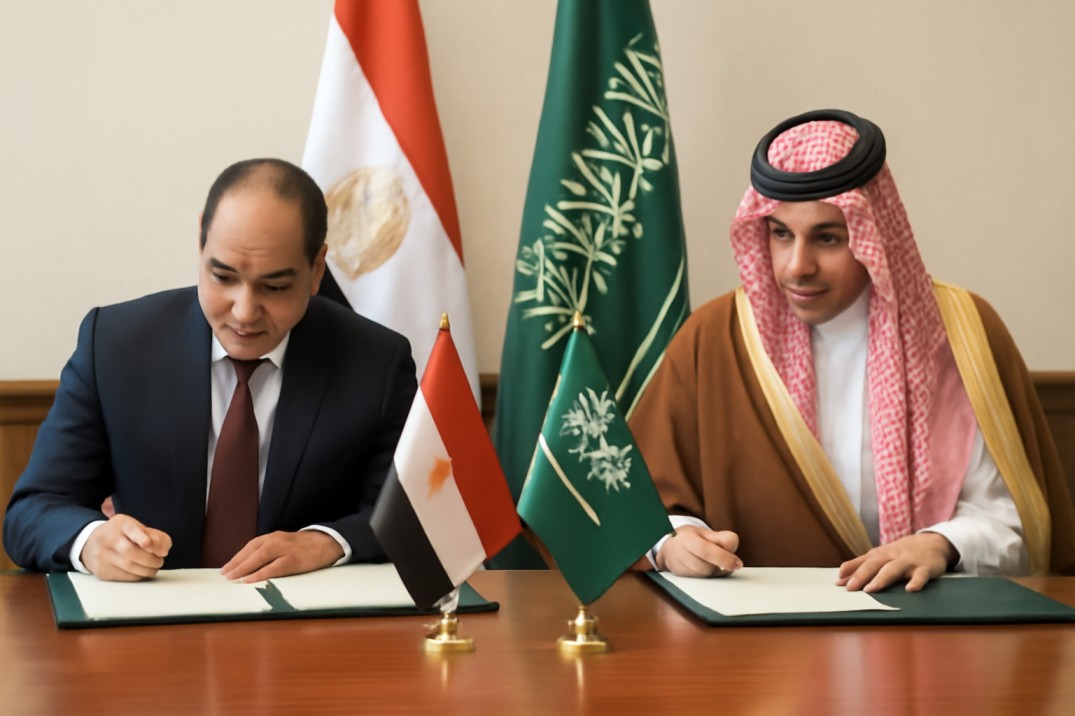
Egypt and Saudi Arabia have signed a significant executive program aimed at enhancing bilateral ties and elevating tourism between the two nations. This agreement, a continuation of their previous partnership established in a Memorandum of Understanding (MoU) in 2014, seeks to make their tourism industries more competitive, sustainable, and attractive to international visitors. The initiative signals a new era for tourism in the Middle East and North Africa (MENA) region, where both countries are key players. By collaborating on tourism promotion, training, and best practices, the two countries aim to strengthen their positions in the global tourism market.
Key Points:
- Egypt and Saudi Arabia have signed a new executive program to boost tourism between the two countries.
- This agreement builds on their previous partnership, initiated through a Memorandum of Understanding (MoU) in 2014.
- The primary goals of the new program are to make the tourism industries of both countries more competitive, sustainable, and appealing to international tourists.
- The initiative aims to elevate tourism in the MENA region, positioning Egypt and Saudi Arabia as key players in the global tourism market.
Actionable Takeaways:
-
Enhanced Tourism Collaboration: The signing of this executive program presents an opportunity for travel agencies and tourism businesses in both Egypt and Saudi Arabia to explore new partnership models and joint marketing strategies. By leveraging their combined strengths, these businesses can attract more international tourists and enhance their market competitiveness.
-
Focus on Sustainability: The program’s emphasis on sustainability is a forward-looking trend in the travel industry. Travel companies should consider integrating sustainable practices into their operations, such as eco-friendly accommodations, responsible tourism initiatives, and carbon offset programs. This not only aligns with global travel trends but also appeals to the growing segment of eco-conscious travelers.
- Investment in Training and Best Practices: The focus on training and sharing best practices indicates a commitment to professional development within the tourism sector. Travel businesses should invest in continuous training for their staff to ensure they are up-to-date with the latest industry standards and customer service practices. This can lead to improved customer satisfaction and loyalty, which are crucial for long-term success in the competitive tourism market.
Contextual Insights:
The signing of this executive program between Egypt and Saudi Arabia reflects a broader trend of increased collaboration and investment in the tourism sector within the MENA region. As both countries aim to enhance their tourism industries, they are likely to attract more international tourists, thereby boosting their economies. This move aligns with the current global travel trends, which emphasize sustainable tourism, digital transformation, and enhanced customer experiences. Travel startups and fintech companies can capitalize on this trend by developing innovative solutions that support sustainable tourism practices, streamline travel bookings, and facilitate seamless financial transactions for tourists. For instance, fintech solutions that offer secure, efficient payment options for international tourists can enhance the overall travel experience and encourage more visitors to choose these destinations.
Read the Complete Article.



