












Article Summary:
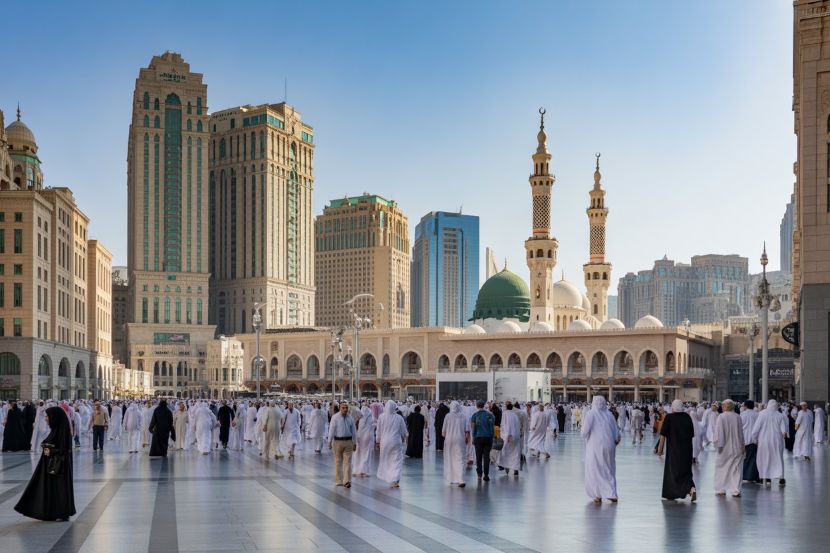
Makkah, Saudi Arabia’s holiest city, is experiencing a significant surge in hotel developments and accommodations, driven by the Kingdom’s Vision 2030 tourism goals. This growth is transforming Makkah into a prime destination not only for religious pilgrims but also for leisure travelers. The city’s hospitality infrastructure is expanding rapidly to accommodate millions of visitors, aiming to host 30 million Umrah pilgrims annually by 2030. This development positions Makkah as a leading global tourism hub, aligning with Saudi Arabia’s broader tourism ambitions.
Key Points:
- Makkah is witnessing a surge in hotel developments and accommodations, fueled by Saudi Arabia’s Vision 2030 tourism goals.
- The city is becoming a prime destination for both religious and leisure travel, expanding its hospitality infrastructure to accommodate millions of visitors.
- Saudi Arabia aims to host 30 million Umrah pilgrims annually by 2030, with Makkah at the heart of this transformation.
- The rapid growth in Makkah’s hospitality sector is directly contributing to the city’s transformation into a leading global tourism hub.
Actionable Takeaways:
- Investment in Hospitality Infrastructure: The expansion of Makkah’s hotel and accommodation sector presents a significant opportunity for investors in the hospitality industry. The city’s goal to host 30 million Umrah pilgrims annually by 2030 underscores the potential for substantial returns on investment in hospitality infrastructure.
- Diversification of Tourism Offerings: Makkah’s shift towards attracting leisure travelers, alongside its religious tourism focus, highlights the importance of diversifying tourism offerings. Travel companies and startups focusing on leisure travel experiences in religious sites could find a lucrative market in Makkah.
- Leveraging Technology for Enhanced Hospitality: The rapid growth in Makkah’s hospitality sector suggests a strong push towards leveraging technology to enhance guest experiences. Travel tech innovations, such as AI-driven customer service, smart hotel management systems, and seamless booking platforms, could be pivotal in meeting the increasing demand and setting new standards in hospitality.
Contextual Insights:
The article reflects the broader trends in the travel industry, particularly the shift towards integrating religious tourism with leisure travel experiences. This trend is supported by Saudi Arabia’s Vision 2030, which aims to diversify the economy and enhance global tourism appeal. The focus on expanding hospitality infrastructure in Makkah aligns with this vision, emphasizing the importance of technological advancements and innovative travel solutions in meeting the growing demand. As the travel industry continues to evolve, the insights from Makkah’s development underscore the critical role of strategic investments in hospitality, diversification of tourism offerings, and the adoption of cutting-edge travel technologies. These factors are likely to shape future travel trends and drive growth in the global tourism sector.
Read the Complete Article.



