












Comprehensive Summarization:
The article highlights the remarkable surge in tourism within the Middle East, driven primarily by Egypt, Qatar, and Saudi Arabia. These countries have achieved a 39% increase in international arrivals, surpassing pre-pandemic levels, with nearly 100 million tourists visiting the region in 2025. This growth is attributed to strategic investments in infrastructure, tourism events, and cultural initiatives. The region is now a premier destination for travelers seeking a diverse range of experiences, including sports events, cultural attractions, and luxury offerings. The article underscores the importance of mega projects and global events in propelling this tourism boom, positioning the Middle East as a leader in the global travel industry.
Key Points:
- The Middle East has seen a 39% increase in international tourism arrivals, reaching nearly 100 million in 2025, surpassing pre-pandemic levels.
- Egypt, Qatar, and Saudi Arabia are leading this surge due to strategic investments in infrastructure, tourism events, and cultural initiatives.
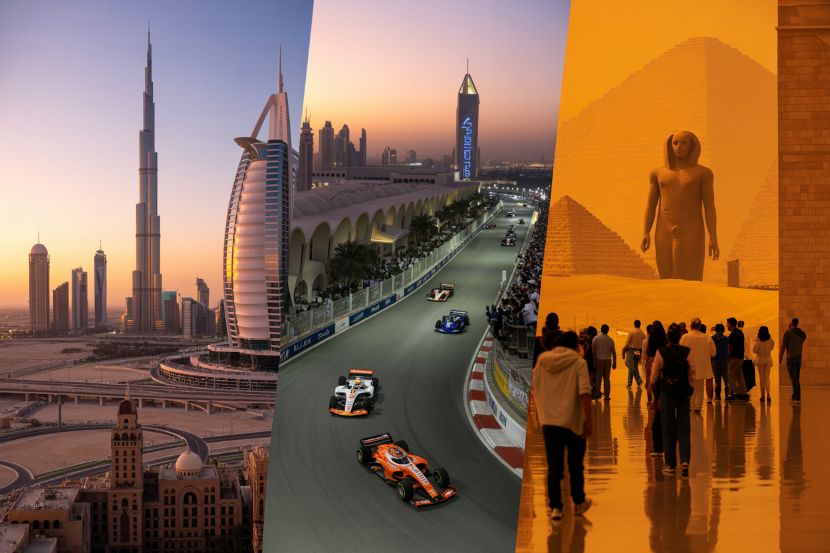
- The region offers a diverse range of experiences, including world-class sports events, architectural marvels, and cultural attractions, catering to a broad spectrum of traveler interests.
- Mega projects and global events are playing a crucial role in driving tourism growth in the Middle East.
Actionable Takeaways:
-
Investment in Tourism Infrastructure: Countries in the Middle East are investing heavily in tourism infrastructure, which is a key driver of the tourism surge. For travel industry stakeholders, this presents an opportunity to collaborate with local governments and private sector entities to leverage these investments for business growth and market expansion.
-
Focus on Diverse Experiences: The success of the Middle East tourism surge is attributed to the variety of experiences offered, from sports events to cultural attractions. Travel businesses should consider diversifying their offerings to include a broader range of experiences to attract a wider audience and capitalize on the growing demand for unique travel experiences.
-
Leverage Global Events: The role of global events in boosting tourism is significant. Businesses in the travel sector should explore partnerships and sponsorships for major events in the region to enhance visibility and attract international tourists. This strategy can be particularly effective for startups and niche travel services looking to gain traction in a competitive market.
Contextual Insights:
The article reflects the current state of the Middle East tourism industry, characterized by rapid growth and strategic investments. The surge in tourism arrivals is a testament to the region’s ability to attract a diverse range of travelers, from sports enthusiasts to culture seekers and luxury travelers. The emphasis on mega projects and global events underscores the importance of large-scale initiatives in driving tourism growth. For the travel industry, this context highlights the need for innovation and strategic planning to capitalize on emerging trends and maintain competitiveness. The insights provided align with current industry trends, emphasizing the importance of infrastructure development, diverse offerings, and strategic partnerships in sustaining and enhancing tourism growth in the region.
Read the Complete Article.



