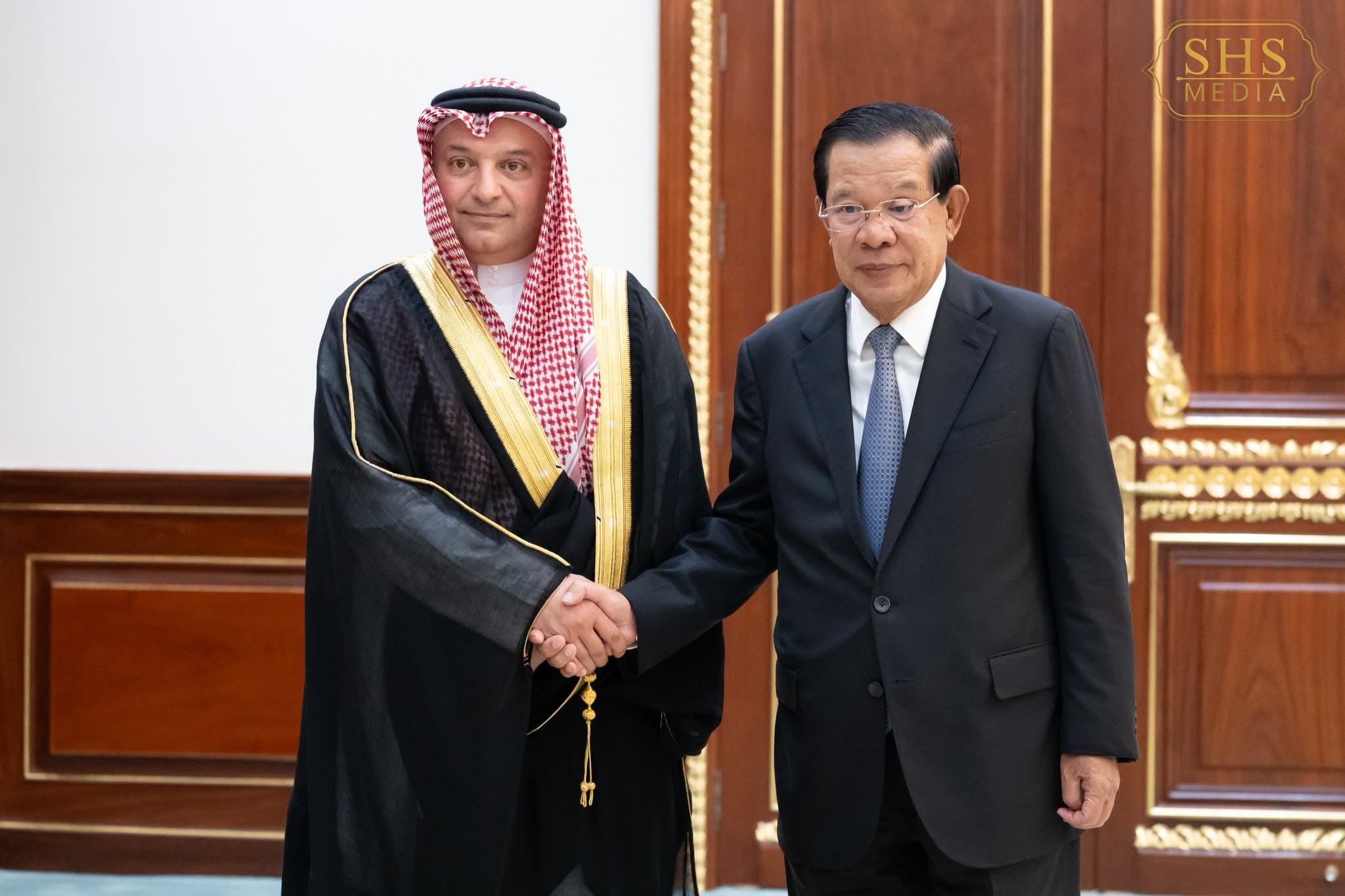
Saudi Arabia boosts Cambodian ties and tourism sector
THE NEWS: Saudi Arabia has pledged to engage in Cambodia’s investment sector to raise the level of partnership, a commitment...
Read moreDetailsEvery alert that matters — when it happens.

Cars.com, IonQ, Hubbell, Expedia, and Western Alliance Bancorporation — TradingView News
Article Summary:
Saudi Arabia is focusing on developing tourism as its second-largest economic sector to foster employment and ensure long-term economic sustainability. Deputy Tourism Minister Mahmoud Abdulhadi highlighted the government’s substantial investments in tourism infrastructure, including 29 airports, over 70,000 km of roads, and a developing rail network. The country emphasizes strong economic ties with China, positioning Chinese companies as key partners in its tourism development efforts.
Key Points:
Actionable Takeaways:
Contextual Insights:
The article reflects Saudi Arabia’s strategic focus on leveraging its robust infrastructure and economic partnerships to bolster its tourism sector. This aligns with broader industry trends towards diversifying economic bases and enhancing global connectivity. The emphasis on China as a key partner underscores the importance of international collaboration in tourism development. As the travel industry continues to evolve, with a growing emphasis on sustainability and digital transformation, Saudi Arabia’s approach could serve as a model for other countries looking to revitalize their tourism economies. The focus on employment and economic sustainability also highlights the industry’s shift towards creating long-term value, rather than short-term gains, resonating with current thought leadership on sustainable and inclusive growth in travel.
Read the Complete Article.
THE NEWS: Saudi Arabia has pledged to engage in Cambodia’s investment sector to raise the level of partnership, a commitment...
Read moreDetails
Experience the magic of the Nile aboard Kenzy Dahabeya, a luxury boutique sailing cruise that offers an unforgettable journey between...
Read moreDetails