Saudi Arabia boosts Cambodian ties and tourism sector
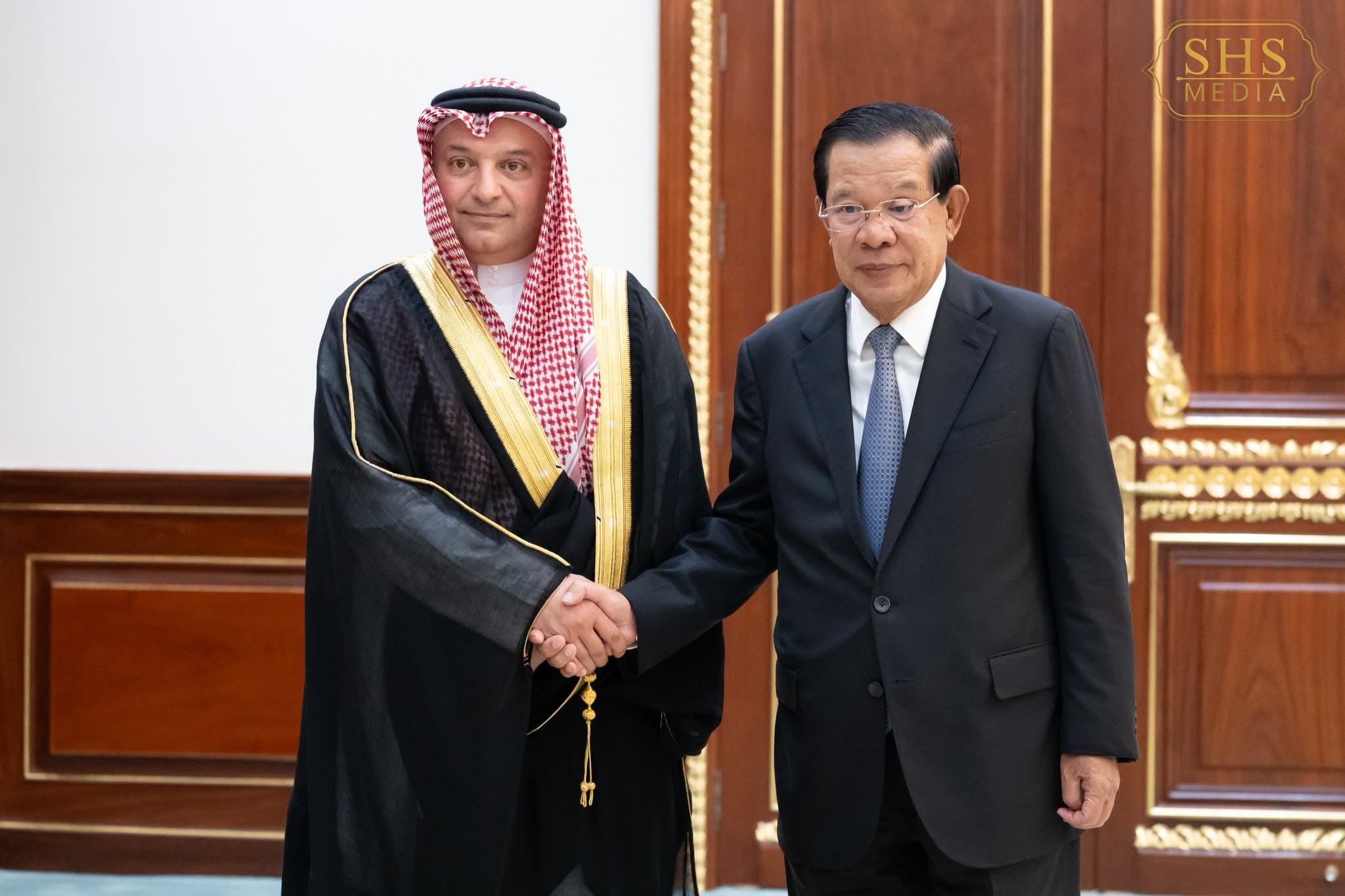
THE NEWS: Saudi Arabia has pledged to engage in Cambodia’s investment sector to raise the level of partnership, a commitment...
Read moreDetailsEvery alert that matters — when it happens.

Comprehensive Summarization:
Saudi Arabia’s tourism industry has experienced record growth in 2025, marking a significant milestone in the kingdom’s economic transformation. According to the Public Investment Fund (PIF) Private Sector Forum, the sector’s contribution to GDP has risen from 3.5% in 2019 to 5% in 2025, with an ambitious target of reaching 10% by 2030. This growth trajectory is supported by a workforce that has surpassed one million jobs, with Saudi nationals comprising nearly a quarter (24.3%) of the sector’s workforce. The focus is on expanding the sector’s GDP contribution from SAR300 billion (US$80 billion) in 2025 to SAR600 billion (US$160 billion) by the end of the decade. Key players, including hospitality brands like Hilton, are actively involved in this transformation, aiming to bolster the industry’s growth and diversification.
Key Points:
Actionable Takeaways:
Investment in Tourism Infrastructure: The significant increase in tourism’s GDP contribution underscores the importance of continued investment in tourism infrastructure. Governments and private sectors should prioritize projects that enhance the visitor experience, such as improving transportation networks, expanding accommodation options, and developing cultural and recreational sites. This will not only boost tourism numbers but also create more jobs and stimulate related industries.
Diversification of the Tourism Offer: To achieve the ambitious target of 10% GDP contribution by 2030, Saudi Arabia must diversify its tourism offerings beyond traditional attractions. This could involve promoting lesser-known destinations, developing niche tourism segments (e.g., eco-tourism, wellness tourism), and leveraging digital platforms to reach a global audience. Such diversification can mitigate risks associated with over-reliance on a few popular destinations and attract a broader range of tourists.
Leveraging Hospitality Brands for Growth: Collaborations with established hospitality brands like Hilton can accelerate the sector’s growth. These partnerships can bring in expertise in customer service, brand management, and operational efficiency. By integrating these brands into the tourism ecosystem, Saudi Arabia can enhance the overall visitor experience, attract more high-spending tourists, and create synergies that drive economic growth.
Contextual Insights:
The growth of Saudi Arabia’s tourism sector in 2025 is a testament to the kingdom’s strategic vision for economic diversification and its commitment to leveraging tourism as a key driver. The rise in GDP contribution and the substantial increase in employment reflect a robust and expanding industry. The focus on reaching a 10% GDP contribution by 2030 highlights a long-term strategic plan aimed at solidifying tourism’s role in the kingdom’s economy.
In the context of current industry trends, the emphasis on digital transformation and experiential tourism is evident. The use of hospitality brands like Hilton suggests a move towards integrating technology and premium services to enhance visitor experiences. This aligns with broader trends in the travel industry, such as the increasing demand for personalized, immersive, and sustainable travel experiences. Thought leaders predict that the continued integration of technology, such as AI-driven customer service and virtual reality tours, will further enhance the appeal of Saudi Arabia’s tourism offerings. Additionally, the focus on diversifying the tourism sector reflects a forward-looking approach, aiming to reduce dependency on traditional attractions and tap into emerging market segments.
In summary, Saudi Arabia’s tourism industry is on a trajectory of significant growth, driven by strategic investments, workforce expansion, and partnerships with leading hospitality brands. To sustain this momentum, the sector must continue to innovate, diversify its offerings, and leverage digital technologies to meet the evolving expectations of global travelers.
Read the Complete Article.
THE NEWS: Saudi Arabia has pledged to engage in Cambodia’s investment sector to raise the level of partnership, a commitment...
Read moreDetails
Experience the magic of the Nile aboard Kenzy Dahabeya, a luxury boutique sailing cruise that offers an unforgettable journey between...
Read moreDetails