












Comprehensive Summarization:
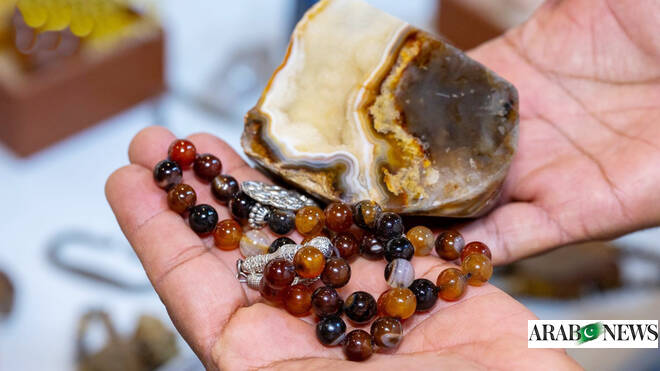
The article highlights the burgeoning growth of private museums in Saudi Arabia’s Qassim Region, particularly in Riyadh Al-Khabra governorate. These private initiatives, driven by individual collectors, are transforming personal passions into vital cultural projects. These museums serve as living memories, preserving rare artifacts, historical documents, antique weapons, and vintage collections that document critical stages of the region’s history. By connecting the present with its roots, these sites strengthen national identity and provide essential research resources for scholars and tourists alike. A prominent example is the private museum located near Al-Khabra Historical Village, which has become a key cultural landmark in the region.
Key Points:
- Growth of private museums in Saudi Arabia’s Qassim Region, especially in Riyadh Al-Khabra governorate.
- Private museums serve as living memories, preserving rare artifacts, historical documents, antique weapons, and vintage collections.
- These museums strengthen national identity and provide essential research resources for scholars and tourists.
- Al-Khabra Historical Village is mentioned as a prominent example of a private museum.
Actionable Takeaways:
-
Cultural Tourism Development: The growth of private museums in the Qassim Region presents an opportunity for cultural tourism development. Local governments and private entities can collaborate to promote these museums as key cultural landmarks, enhancing the region’s appeal to tourists and scholars. This could lead to increased investment in cultural infrastructure and a boost in the local economy.
-
Preservation of Cultural Heritage: The initiative to preserve rare artifacts, historical documents, and antique collections demonstrates a commitment to preserving cultural heritage. This trend underscores the importance of supporting private initiatives that focus on cultural preservation. It suggests that there is a growing market for culturally rich travel experiences, which could be leveraged by travel agencies and tourism boards to market the region as a destination for cultural exploration.
-
Integration of Technology in Museums: While not explicitly mentioned in the article, the context of private initiatives suggests potential for integrating technology in these museums. The use of augmented reality, virtual tours, or interactive exhibits could enhance visitor engagement and provide educational value. Travel tech startups could explore partnerships with these museums to develop innovative digital experiences, aligning with the broader trend of tech-driven tourism.
Contextual Insights:
The growth of private museums in Saudi Arabia’s Qassim Region reflects a broader trend in the travel industry towards cultural and heritage tourism. As travelers increasingly seek authentic and immersive experiences, destinations that offer unique cultural insights are gaining prominence. The emphasis on preserving historical artifacts and historical documents aligns with the increasing demand for educational travel experiences. Furthermore, the role of private initiatives in cultural preservation highlights the potential for community-driven tourism, where local collectors and enthusiasts play a pivotal role in shaping the cultural narrative of a region. This trend could inspire other regions to explore similar initiatives, fostering a sense of national identity and pride among local communities. As the travel industry continues to evolve, the integration of technology in museums and cultural sites presents an opportunity for innovation, enhancing visitor experiences and attracting a tech-savvy audience.
Read the Complete Article.



