
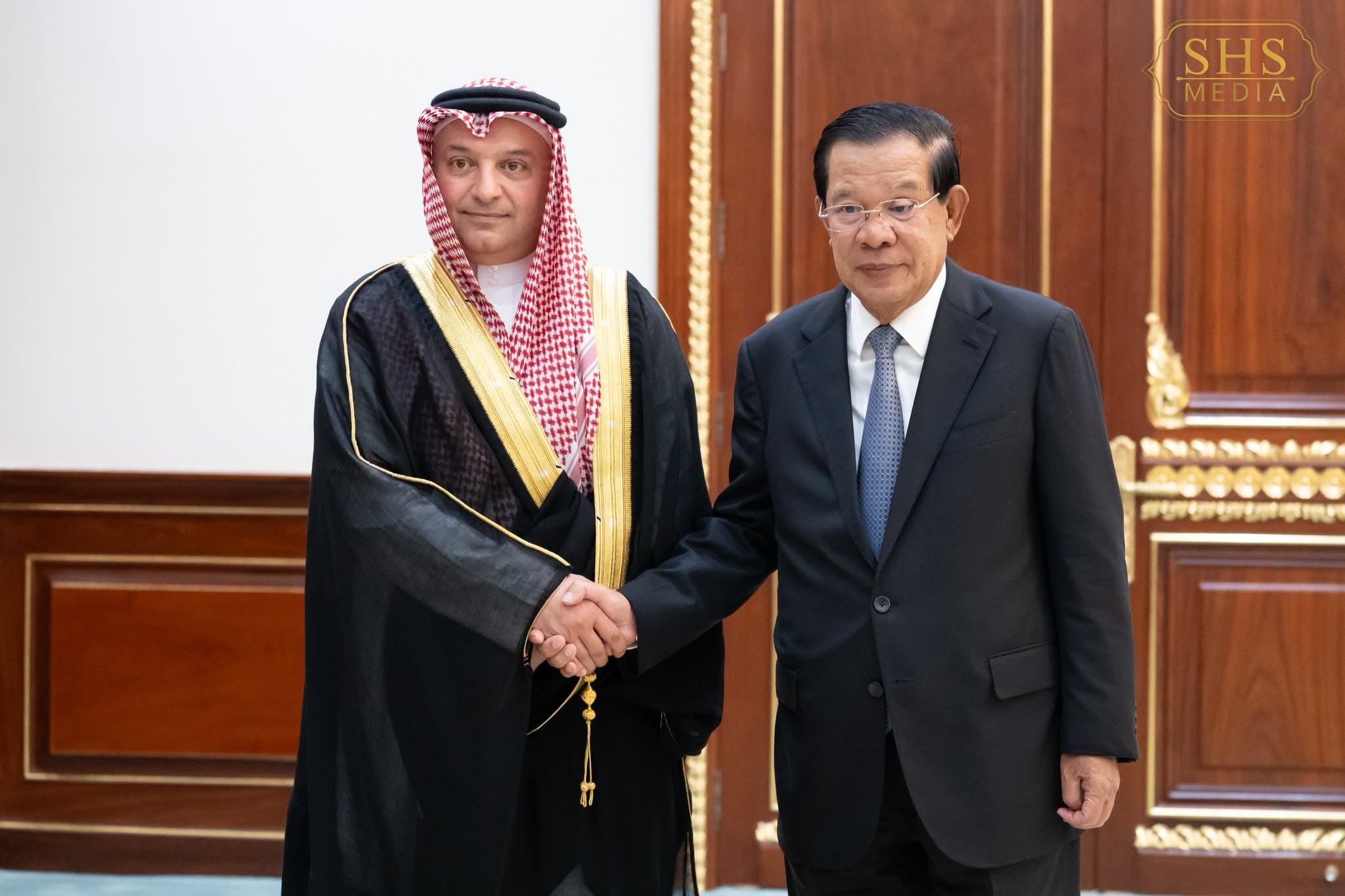
Saudi Arabia boosts Cambodian ties and tourism sector
THE NEWS: Saudi Arabia has pledged to engage in Cambodia’s investment sector to raise the level of partnership, a commitment...
Read moreDetailsEvery alert that matters — when it happens.
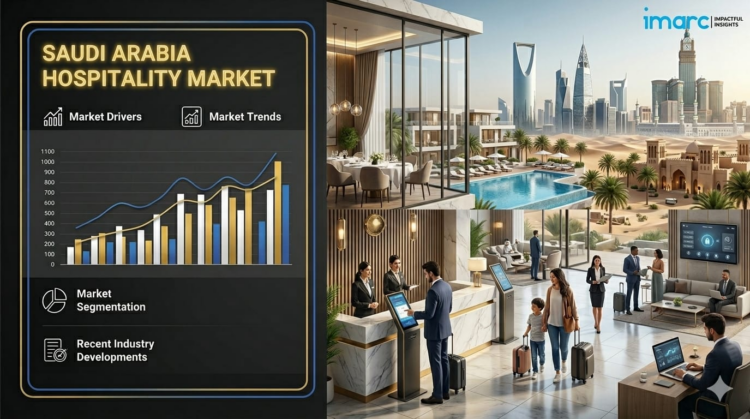
Saudi Arabia Hospitality Market: Tourism Growth, Mega Projects & Expansion Outlook
Comprehensive Summarization:
The article from IMARC Group highlights the significant growth of the Saudi Arabia hospitality market, which reached USD 53.2 billion in 2025 and is projected to grow to USD 115.8 billion by 2034, exhibiting a compound annual growth rate (CAGR) of 9.03% from 2026 to 2034. The article further explores how artificial intelligence (AI) is reshaping this market, with hotels increasingly adopting AI-powered guest services such as chatbots and virtual assistants for personalized support, instant booking confirmations, and tailored recommendations. These technologies not only enhance customer satisfaction but also reduce operational costs across properties. Additionally, the article discusses the role of smart revenue management, where machine learning algorithms analyze booking patterns, seasonal trends, and competitor pricing in real-time to optimize room rates dynamically, thereby boosting revenue for hotels.
Key Points:
Actionable Takeaways:
Adopt AI-Powered Guest Services: Hotels should invest in AI technologies such as chatbots and virtual assistants to enhance customer satisfaction and reduce operational costs. This aligns with the growing trend of digitalization in the hospitality sector, offering a competitive edge by providing personalized and efficient services to guests.
Implement Smart Revenue Management Systems: Hotels should leverage machine learning algorithms for real-time analysis of booking patterns, seasonal trends, and competitor pricing to dynamically optimize room rates. This approach can significantly boost revenue by ensuring that pricing strategies are always aligned with market demands and competitive landscapes.
Contextual Insights:
The growth of the Saudi Arabia hospitality market, as highlighted in the article, reflects broader trends in the global travel industry towards digital transformation and AI integration. The adoption of AI-powered guest services and smart revenue management systems is indicative of a shift towards more data-driven decision-making processes in the hospitality sector. These technologies not only improve operational efficiency but also enhance the overall guest experience, which is crucial in a competitive market like Saudi Arabia. Furthermore, the focus on AI and smart technologies aligns with the increasing expectations of travelers for personalized and seamless service experiences. As the market continues to grow, hotels that invest in these technologies are likely to gain a significant competitive advantage, positioning themselves as leaders in the evolving hospitality landscape.
Handling Different Article Types:
The article in question is a news brief that provides factual information about market trends and technological advancements in the Saudi Arabia hospitality sector. It adheres to the format of a concise yet informative piece, suitable for a professional audience. The content is structured to deliver key insights directly, making it easy to integrate into reports or presentations focused on travel industry developments. The factual basis of the article ensures that the insights and takeaways provided are grounded in current industry realities, offering a reliable reference for stakeholders interested in the future of hospitality in Saudi Arabia.
Read the Complete Article.
THE NEWS: Saudi Arabia has pledged to engage in Cambodia’s investment sector to raise the level of partnership, a commitment...
Read moreDetails

Experience the magic of the Nile aboard Kenzy Dahabeya, a luxury boutique sailing cruise that offers an unforgettable journey between...
Read moreDetails






