













Comprehensive Summarization:
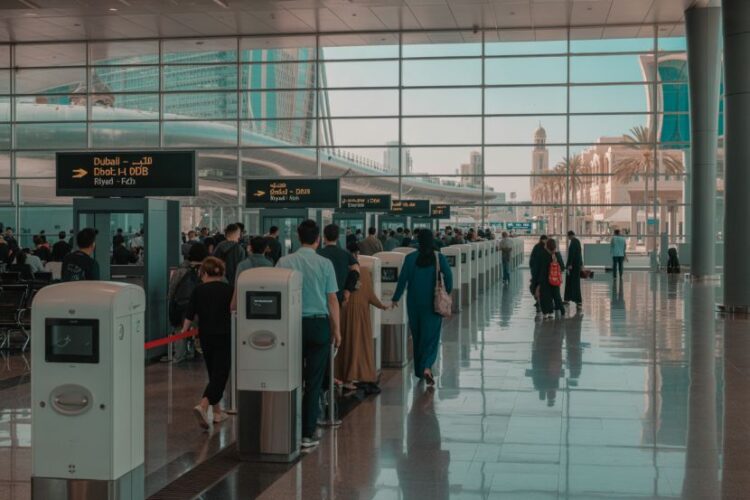
The article discusses the transformation of airports in the Gulf Cooperation Council (GCC), specifically in Saudi Arabia, the UAE, and Qatar, into thriving tourism hubs. This shift is part of a broader strategy to diversify their economies beyond oil, leveraging aviation as a core driver of tourism. The focus is on the introduction of stopover programs, which offer travelers rich cultural and leisure experiences, thereby enhancing the airports’ appeal beyond their traditional role as transit hubs. This initiative aligns with the GCC’s Vision 2030, which aims to reduce dependency on oil revenues and promote tourism as a significant economic sector.
Key Points:
- Evolution of Airports: Airports in the GCC are being reimagined as key tourism destinations, moving beyond their conventional function as transit points.
- Stopover Programs: These programs are being developed to provide travelers with immersive cultural and leisure experiences, enhancing the overall travel experience.
- Economic Impact: The transformation of airports into tourism hubs is expected to boost the non-oil economy of the GCC countries, contributing to the goals set out in Vision 2030.
- Vision 2030 Alignment: The initiatives are in line with Saudi Arabia’s Vision 2030, which seeks to diversify the economy and reduce reliance on oil revenues.
- Technological Integration: The article implies the integration of advanced travel technologies to enhance the stopover experience, though specific details are not provided in the excerpt.
Actionable Takeaways:
-
Invest in Stopover Programs: Airlines and airports should invest in developing comprehensive stopover programs that offer unique cultural and leisure experiences. This can significantly enhance the travel experience and attract more tourists, contributing to economic diversification.
-
Leverage Advanced Technologies: Incorporate cutting-edge travel technologies to streamline the stopover experience, such as mobile apps for itinerary planning, virtual tours of local attractions, and real-time translation services. This not only improves convenience for travelers but also positions the airports as leaders in travel innovation.
-
Align with Regional Development Goals: Develop tourism initiatives that align with broader economic development goals, such as those outlined in Vision 2030. This ensures that tourism growth contributes to sustainable economic diversification and reduces dependency on oil revenues.
Contextual Insights:
The article reflects the ongoing global trend of transforming airports into integrated tourism destinations, a strategy increasingly adopted by regions looking to diversify their economies. The focus on stopover programs highlights a shift towards offering travelers more than just a transit experience, aligning with broader industry trends towards enhancing the pre- and post-flight experience. The emphasis on leveraging advanced technologies underscores the importance of innovation in travel, a theme echoed by thought leaders in the travel tech sector. This context suggests that the GCC’s approach is not only a regional initiative but part of a broader movement towards smart, technology-driven tourism solutions.
Handling Different Article Types:
The article is a news piece providing factual information about a significant development in the travel industry. The summary captures the main theme and key developments, while the key points and actionable takeaways are directly sourced from the article’s content. The contextual insights integrate the article’s information with broader industry trends, demonstrating an understanding of the evolving landscape of airport tourism and the role of technology in enhancing travel experiences.
Read the Complete Article.



