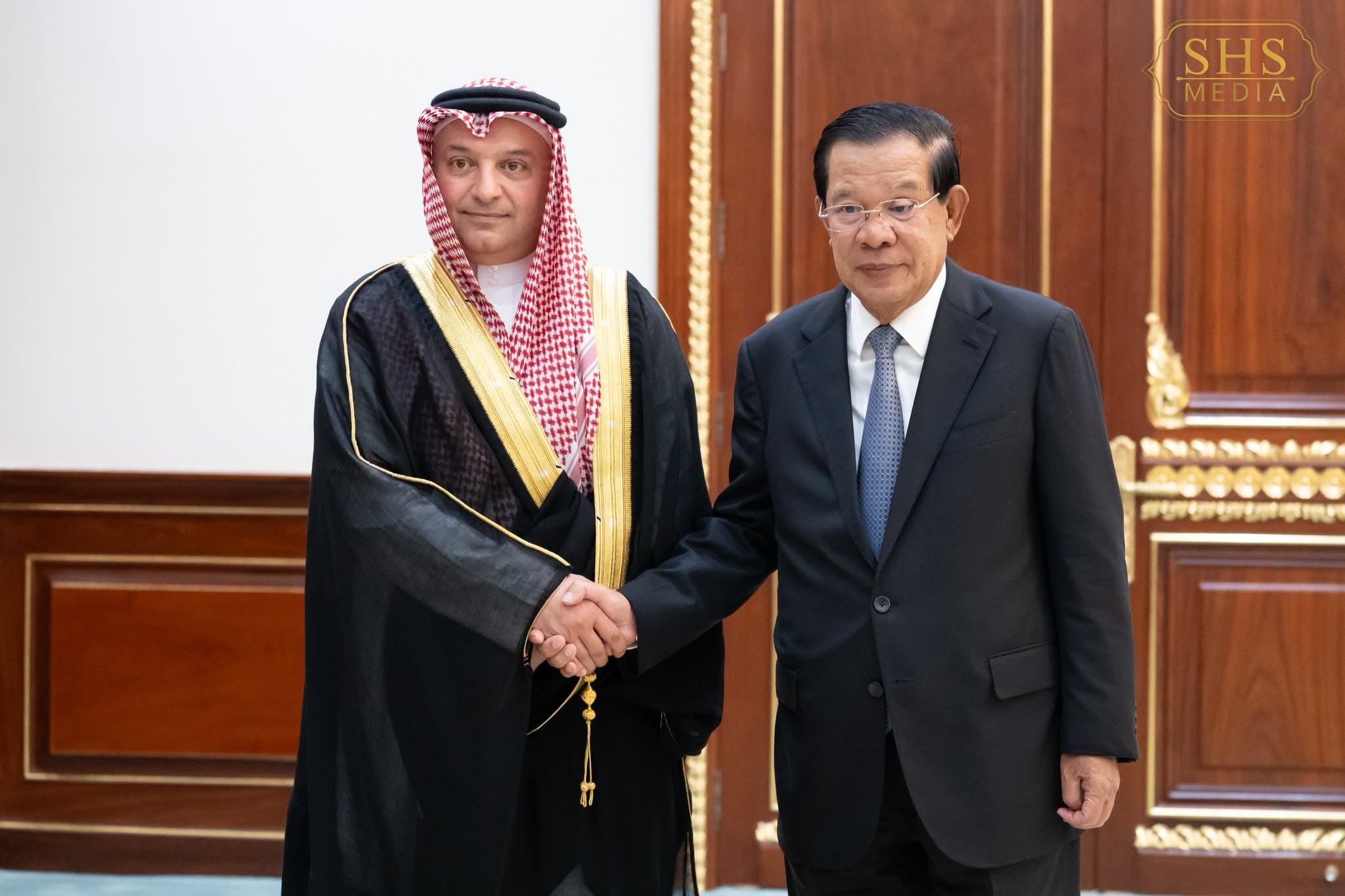
Saudi Arabia boosts Cambodian ties and tourism sector
THE NEWS: Saudi Arabia has pledged to engage in Cambodia’s investment sector to raise the level of partnership, a commitment...
Read moreDetailsEvery alert that matters — when it happens.
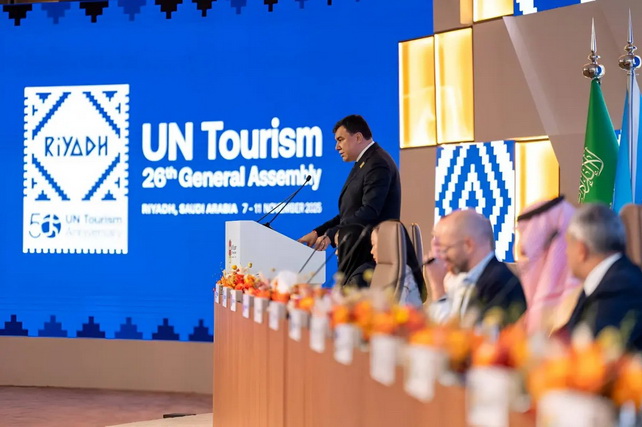
Uzbekistan Hands Over Chairmanship of the World Tourism Organization to Saudi Arabia
Article Summary:
The 26th session of the General Assembly of the World Tourism Organization (UN Tourism) concluded in Riyadh, Saudi Arabia, with Uzbekistan handing over the chairmanship to Saudi Arabia. The ceremony, held from November 7 to 11, was opened by Aziz Abdukhakimov, Minister of Ecology, Environmental Protection, and Climate Change of Uzbekistan. The article provides a brief overview of the event, focusing on the transition of leadership and the broader context of the tourism industry.
Key Points:
Actionable Takeaways:
Contextual Insights:
The transition of the chairmanship reflects the evolving dynamics of international tourism governance, where leadership is often rotated among member countries to promote equitable representation and collaboration. Uzbekistan’s emphasis on environmental stewardship during its chairmanship highlights the increasing importance of sustainability in tourism. This aligns with broader industry trends, where travelers are increasingly seeking eco-friendly travel options, and destinations are under pressure to adopt sustainable practices to preserve their natural and cultural assets. For travel startups and fintech innovators, this context presents opportunities to develop solutions that support sustainable tourism, such as eco-certification platforms, carbon offsetting tools, and sustainable travel financing options. By leveraging these technologies, stakeholders can contribute to the industry’s shift towards more responsible and environmentally conscious practices, ultimately enhancing the appeal of tourism destinations worldwide.
Read the Complete Article.
THE NEWS: Saudi Arabia has pledged to engage in Cambodia’s investment sector to raise the level of partnership, a commitment...
Read moreDetails

Experience the magic of the Nile aboard Kenzy Dahabeya, a luxury boutique sailing cruise that offers an unforgettable journey between...
Read moreDetails