












Comprehensive Summarization:
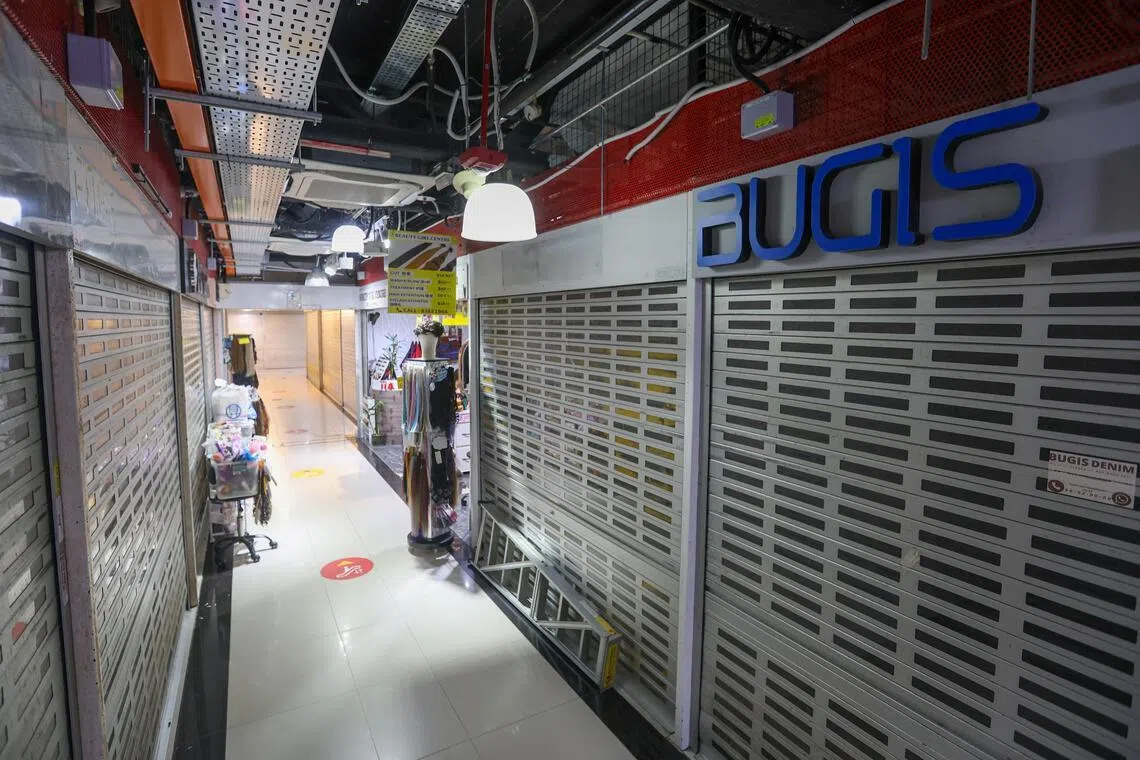
The article reports on the significant decline in retail activity on the second floor of Bugis Street in Singapore, a shopping complex once bustling with clothing and accessory stores. As of April 19, only about 20 out of 100 shops on this level were open, with most located away from escalators and staircases. In contrast, the first and third levels, which primarily feature clothing, food, and beauty salons, remained busy with a steady stream of tourists and locals. The closure of most tenancies on the second floor, effective March 31, is attributed to unspecified reasons, potentially reflecting broader trends in the retail sector or specific challenges faced by businesses on this level.
Key Points:
- The second floor of Bugis Street has seen a substantial reduction in operational retail units, with only about 20 shops open out of 100, as of April 19.
- Most of the open shops on the second floor are located away from escalators and staircases, suggesting potential accessibility or logistical challenges.
- The first and third levels of the shopping complex continue to attract a steady flow of tourists and locals, maintaining business as usual in sectors like clothing, food, and beauty services.
- The closure of tenancies on the second floor, effective March 31, is noted but the specific reasons for this closure are not detailed in the article.
Actionable Takeaways:
- Retail Sector Adaptation: Businesses on Bugis Street’s second floor may need to reassess their locations and accessibility strategies to remain competitive. This could involve relocating to more accessible areas or enhancing their offerings to attract customers, reflecting a broader trend of retail adaptation in response to changing consumer behaviors.
- Market Accessibility Analysis: The disparity in activity between the first/third and second levels of Bugis Street highlights the importance of location and accessibility in retail success. Retailers and investors should prioritize accessibility improvements and strategic location selection to mitigate risks associated with declining foot traffic in less accessible areas.
Contextual Insights:
The decline in retail activity on Bugis Street’s second floor underscores broader challenges faced by brick-and-mortar retailers in the face of evolving consumer preferences and increased competition from online shopping. The focus on accessibility and strategic location selection is a critical insight for the travel industry, as it mirrors trends observed in other sectors where physical presence and customer experience play pivotal roles. For travel startups and fintech innovations, this context suggests a need to develop solutions that enhance accessibility and customer engagement in retail environments, potentially through mobile apps, virtual tours, or innovative payment solutions that cater to the evolving needs of consumers.
Read the Complete Article.



