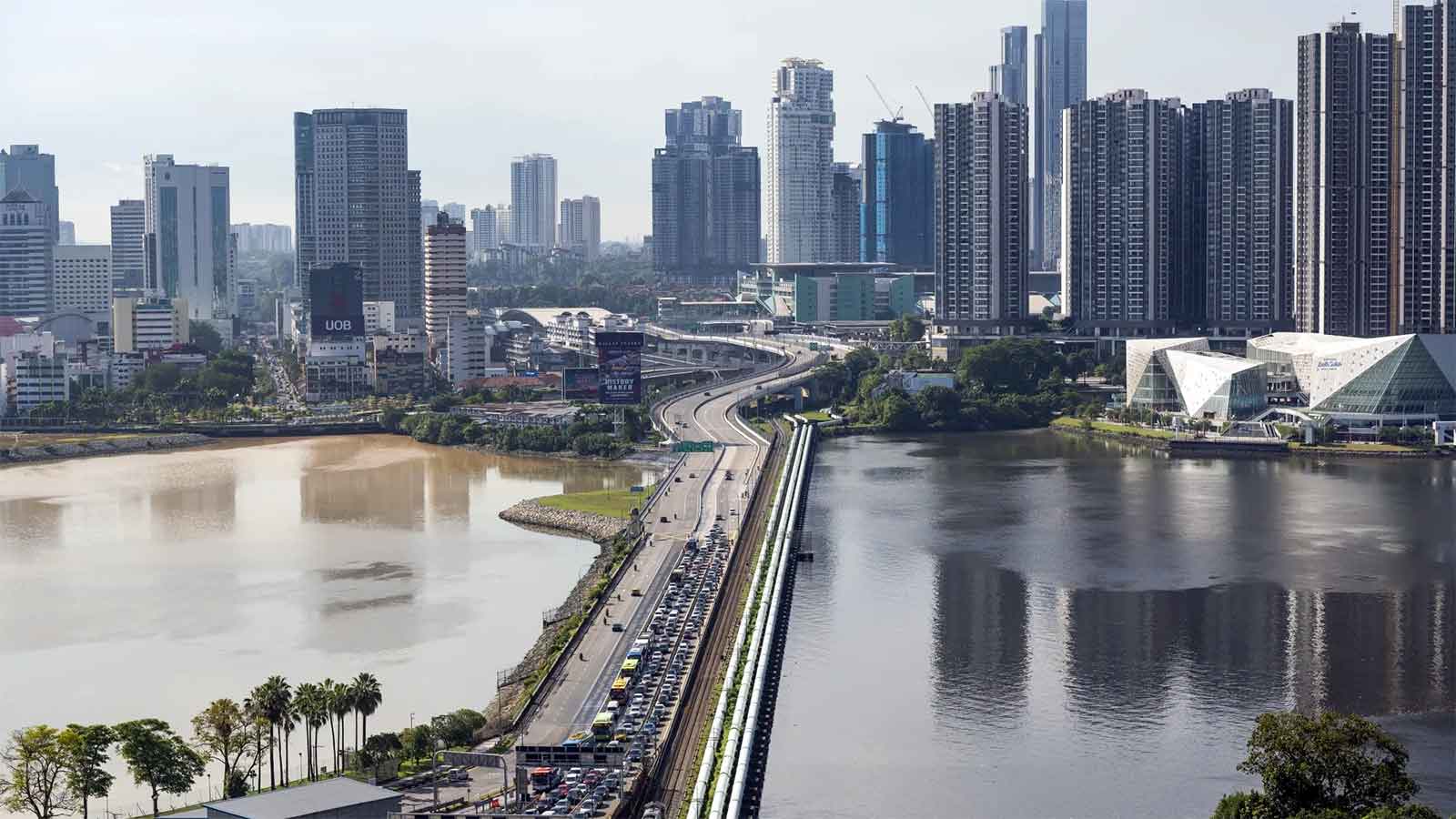























Travel Capitalist Ventures Expands Check Size to $10 Million to Deepen Emerging Market Conviction
Boutique Travel VC raises investment cap from $1.5M to $10M to lead rounds and support portfolio companies through growth Travel...
Read moreDetails

Cross-Border Realities in 2026 – Azat TV
Article Summary:
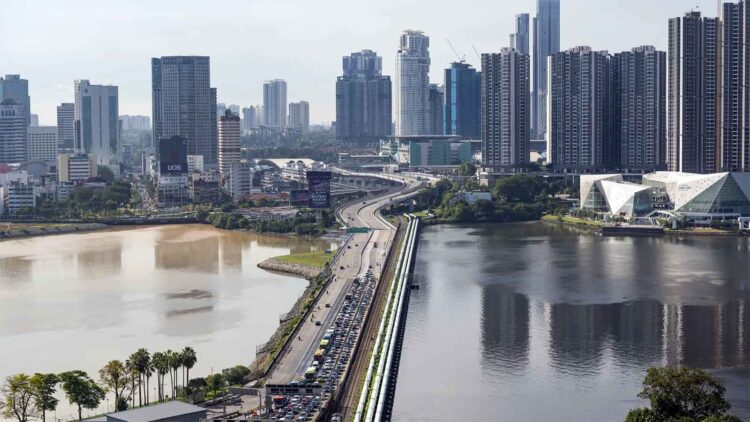
Malaysia has set ambitious tourist arrival targets for 2025 and 2026, with a focus on increasing the number of visitors from Singapore. This strategic move is particularly emphasized at the Johor–Singapore Causeway, where daily cross-border travel is common. Concurrently, Singapore is grappling with a significant rise in scam-related crimes, leading to financial losses of S$3.8 billion since 2020. In response, Singapore has enacted legislation allowing caning for convicted scammers, targeting male offenders under the age of 50. To accommodate the anticipated surge in cross-border tourism, Malaysia is upgrading Johor’s infrastructure. The article underscores the complex interplay between economic opportunities and crime risks in regional travel and security policies.
Key Points:
Actionable Takeaways:
Investment in Cross-Border Infrastructure: Malaysia’s upgrade of Johor’s infrastructure to support increased cross-border tourism presents an opportunity for travel startups and logistics companies to innovate in transportation and logistics solutions. This investment could lead to improved travel experiences and increased efficiency in cross-border operations, benefiting both Malaysia and Singapore.
Enhanced Security Measures: Singapore’s new legislation targeting scammers could serve as a model for other countries facing similar issues. Travel and fintech companies might explore similar regulatory frameworks to combat fraud, potentially leading to the development of advanced verification technologies and secure payment systems. This could enhance trust in digital transactions within the travel industry and reduce losses due to scams.
Contextual Insights:
The article reflects the ongoing challenges and opportunities in the travel industry, particularly in the context of cross-border travel and security. With Malaysia’s ambitious tourism targets and Singapore’s proactive approach to combating scams, the region is witnessing a dynamic shift in travel dynamics. The focus on infrastructure upgrades in Johor highlights the importance of physical connectivity in facilitating tourism. Moreover, the legal measures in Singapore underscore the growing need for robust security frameworks in the digital age, where scams and fraud are prevalent. These developments suggest a forward-looking perspective on the travel industry, where technological innovation and regulatory frameworks play crucial roles in shaping future trends. As the travel sector continues to evolve, stakeholders must remain agile, adapting to emerging challenges and leveraging opportunities for growth and innovation.
Read the Complete Article.
Boutique Travel VC raises investment cap from $1.5M to $10M to lead rounds and support portfolio companies through growth Travel...
Read moreDetails




