












Comprehensive Summarization:
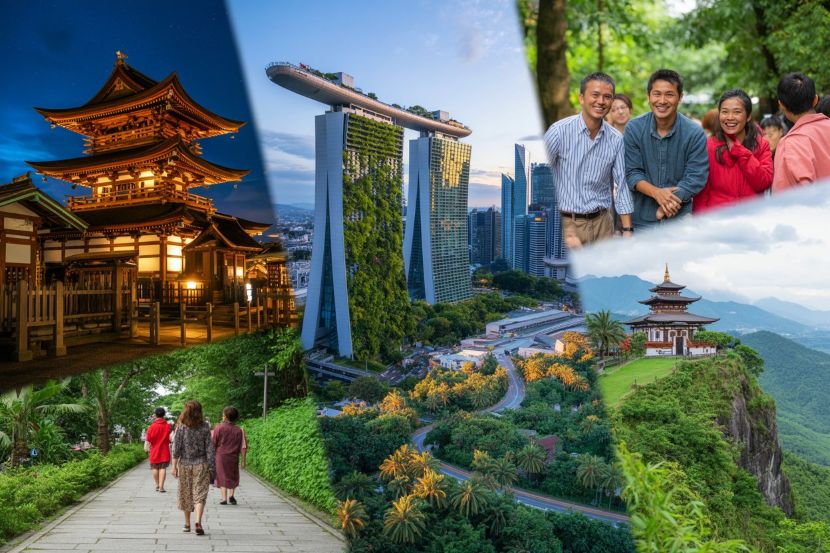
Japan, Singapore, Indonesia, and Bhutan have embarked on a groundbreaking initiative to revolutionize tourism and environmental conservation. This alliance marks a new era in addressing overtourism, combining smart tourism, sustainability, and innovative strategies. By integrating these elements, the countries aim to ensure that travel positively impacts both the planet and local communities. The article highlights the unique approaches each country brings to the table, emphasizing a holistic strategy to protect the environment, preserve cultures, and empower local populations. This initiative is part of a broader trend in the travel industry towards sustainable and responsible tourism practices.
Key Points:
- Global Collaboration: Japan, Singapore, Indonesia, and Bhutan are joining forces to combat overtourism and promote sustainable tourism practices.
- Integrated Approach: The initiative combines smart tourism, sustainability, and innovative strategies to protect the environment and preserve cultural heritage.
- Local Empowerment: The program focuses on empowering local communities, ensuring that tourism benefits the local population and preserves cultural integrity.
- Smart Tourism: Utilizing technology and innovative strategies to enhance the travel experience while minimizing environmental impact.
- Sustainability Focus: The initiative prioritizes environmental conservation alongside economic and cultural preservation.
Actionable Takeaways:
-
Adopt Sustainable Tourism Practices: Travel companies and destinations should integrate smart tourism technologies and sustainable practices to reduce environmental impact and enhance the travel experience. This includes leveraging digital platforms for eco-friendly travel planning and promoting local, sustainable tourism products.
-
Invest in Local Communities: Governments and businesses should prioritize empowering local communities through tourism. This can be achieved by creating job opportunities, supporting local businesses, and ensuring that tourism revenue directly benefits the local population. This approach not only preserves cultural heritage but also fosters economic resilience in tourism-dependent regions.
-
Leverage Technology for Smart Tourism: Invest in and adopt smart tourism technologies that enhance sustainability and visitor experience. This includes using data analytics for resource management, AI for personalized travel recommendations, and IoT for environmental monitoring. Such innovations can help minimize the ecological footprint of tourism while improving visitor satisfaction.
Contextual Insights:
The article reflects a significant shift in the travel industry towards sustainability and responsible tourism practices. The collaboration between Japan, Singapore, Indonesia, and Bhutan highlights a growing trend where countries are recognizing the importance of protecting their natural and cultural assets while promoting tourism. This initiative aligns with the broader industry trend of integrating technology and innovation to create more sustainable travel experiences. As the world becomes increasingly aware of the environmental impact of tourism, such collaborative efforts are crucial in setting new standards for responsible travel. The focus on smart tourism and local empowerment also underscores the importance of leveraging technology and community engagement to drive positive change in the industry.
Read the Complete Article.



