












Comprehensive Summarization:
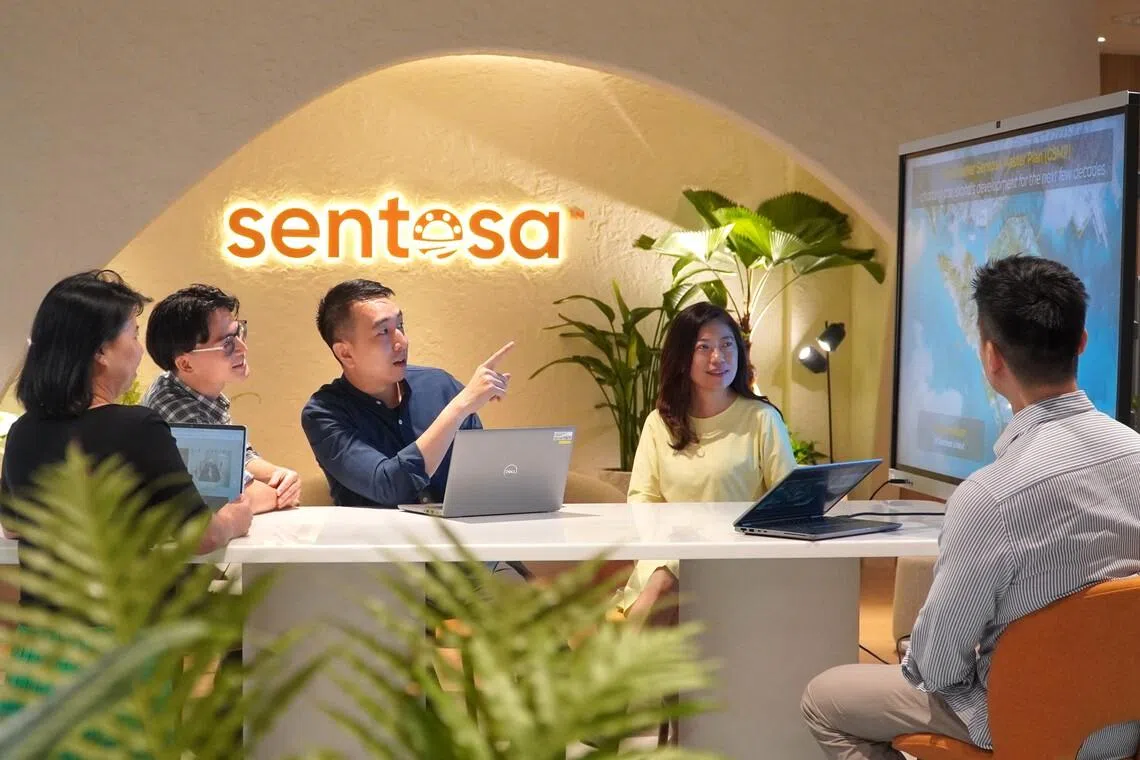
The article highlights the unique experience of Mr. Thaddeus Chew, a senior assistant director at Sentosa Development Corporation (SDC), as he commutes to work on the island. The speed limit drops to 50km/h as they cross the Sentosa Gateway, a ritual that sets a positive tone for his day. Chew’s role involves shaping the future of Sentosa, focusing on long-term planning that extends beyond decades. The article underscores the importance of strategic foresight in the travel and tourism sector, particularly in the context of Sentosa’s development.
Key Points:
- Mr. Chew commutes across Sentosa Gateway daily, experiencing a consistent speed limit drop to 50km/h, which sets a positive tone for his day.
- As a senior assistant director at SDC, Chew is instrumental in determining the future development of Sentosa, emphasizing long-term planning.
- The article emphasizes the strategic importance of foresight in the travel and tourism sector, particularly in the development of iconic destinations like Sentosa.
Actionable Takeaways:
-
Strategic Foresight in Tourism Development: The article underscores the importance of long-term strategic planning in the travel industry. For professionals in the sector, this suggests a need to adopt a forward-thinking approach when developing new destinations or enhancing existing ones. Understanding the potential long-term impacts of current decisions can lead to more sustainable and successful tourism projects.
-
Emphasis on Employee Experience: The daily commute ritual experienced by Mr. Chew highlights the significance of employee experience in corporate settings. Companies in the travel industry should prioritize creating positive and engaging work environments for their employees, as this can enhance productivity, job satisfaction, and overall company performance.
Contextual Insights:
The article reflects current industry trends by emphasizing the importance of strategic foresight and employee experience in the travel sector. As destinations like Sentosa continue to evolve, the need for innovative and sustainable development strategies becomes increasingly critical. Furthermore, the focus on employee experience aligns with broader industry trends that recognize the impact of workplace culture on business success. These insights are particularly relevant for travel startups and established companies alike, as they navigate the challenges and opportunities presented by the evolving travel landscape.
Read the Complete Article.



