Singapore welcomes over 600,000 Indian visitors in H1 2026
THE NEWS: Singapore welcomed more than 600,000 Indian visitors in the first half of 2026, reinforcing its role as a...
Read moreDetailsEvery alert that matters — when it happens.
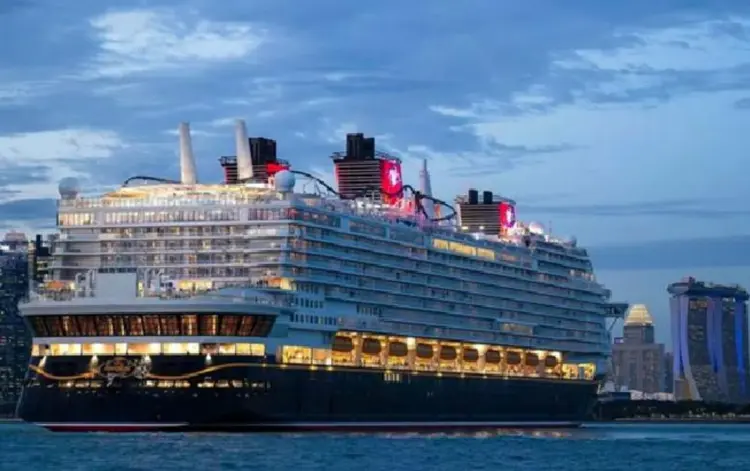
S-E Asia's cruise industry raked in S$12.7 billion in 2024, with Singapore handling nearly half the ...
Comprehensive Summarization:
The article highlights the significant contribution of the cruise industry in Southeast Asia, which generated US$10 billion (S$12.7 billion) in 2024, accounting for 5% of the global cruise industry’s output. According to the Singapore Tourism Board (STB), the spend per passenger in the region was 2.4 times the global average, amounting to US$2,564 (S$3,259) per visit. Singapore captured 48% of the region’s 3.9 million passenger visitors. The study, conducted by Tourism Economics for the Cruise Lines International Association (CLIA) in partnership with STB, provides these insights.
Key Points:
Actionable Takeaways:
Increased Market Potential in Southeast Asia: The substantial revenue generated by the cruise industry in Southeast Asia presents a lucrative market opportunity for cruise lines and related businesses. This trend suggests a growing preference for cruise tourism in the region, which could be leveraged by travel agencies and tourism boards to attract more visitors and investments.
Higher Spending Power of Passengers: With passengers in Southeast Asia spending 2.4 times the global average, there is a clear indication of higher disposable income and willingness to spend on luxury travel experiences. This insight is valuable for cruise lines and hospitality providers to tailor their offerings, pricing strategies, and marketing efforts to capitalize on this affluent segment.
Contextual Insights:
The growth of the cruise industry in Southeast Asia reflects broader trends in global tourism, where luxury and experiential travel are becoming increasingly popular. The high spend per passenger and the significant market share captured by Singapore indicate that the region is not only a key player in the global cruise market but also a destination of choice for affluent travelers. This aligns with the current industry trend towards personalized, high-end travel experiences. Furthermore, the partnership between Tourism Economics, CLIA, and STB underscores the importance of data-driven insights in shaping tourism policies and business strategies. As the travel industry continues to evolve, leveraging such comprehensive assessments will be crucial for stakeholders to navigate the competitive landscape and capitalize on emerging opportunities.
Read the Complete Article.
THE NEWS: Singapore welcomed more than 600,000 Indian visitors in the first half of 2026, reinforcing its role as a...
Read moreDetails
Experience the magic of the Nile aboard Kenzy Dahabeya, a luxury boutique sailing cruise that offers an unforgettable journey between...
Read moreDetails