












Comprehensive Summarization:
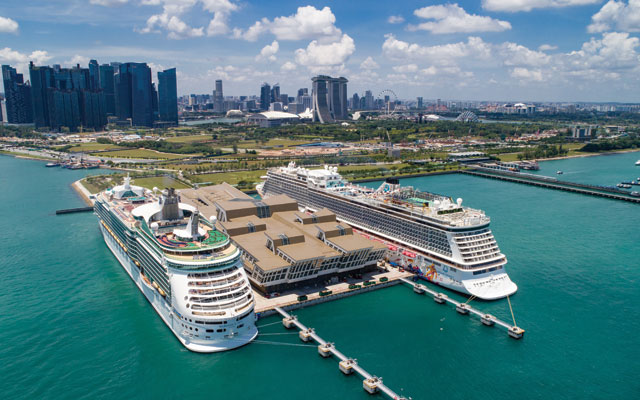
The article highlights the significant economic contribution of Southeast Asia’s cruise industry in 2024, generating US$10 billion (S$12.9 billion) in total economic output, which constitutes five percent of the global cruise industry output. This figure represents a notable increase, as the region accounted for two percent of the global 186 million cruise passenger visits, delivering an impressive US$2,564 in output per passenger. This output is approximately 2.4 times the global average. The findings are detailed in the inaugural “Economic Impact Assessment of Cruise Tourism for Southeast Asian countries,” produced by Tourism Economics for Cruise Lines International. The Marina Bay Cruise Centre is cited as an example of the region’s growing cruise infrastructure.
Key Points:
- Southeast Asia’s cruise industry generated US$10 billion in total economic output in 2024, representing five percent of the global cruise industry.
- The region saw 3.9 million cruise passenger visits, accounting for two percent of the global total, with an output of US$2,564 per passenger, significantly higher than the global average.
- The data is presented in the “Economic Impact Assessment of Cruise Tourism for Southeast Asian countries,” a study by Tourism Economics for Cruise Lines International.
- The Marina Bay Cruise Centre is highlighted as a key example of the region’s growing cruise infrastructure.
Actionable Takeaways:
-
Investment Opportunities in Cruise Infrastructure: The high output per passenger in Southeast Asia suggests a strong economic case for further investment in cruise infrastructure in the region. This could include expanding existing cruise ports, developing new cruise-friendly destinations, and enhancing cruise-related services and amenities. This investment could capitalize on the region’s growing passenger numbers and high spending per passenger, potentially leading to increased revenue and job creation in the travel sector.
-
Focus on Passenger Experience: The article emphasizes the high output per passenger, indicating that the cruise experience in Southeast Asia is perceived as more valuable by travelers compared to the global average. Travel companies and cruise operators could leverage this insight to enhance passenger experiences through improved services, amenities, and onboard entertainment. This focus on passenger satisfaction could lead to increased loyalty and repeat bookings, further boosting the industry’s economic output.
Contextual Insights:
The growth of Southeast Asia’s cruise industry reflects broader trends in the global travel sector, where cruise tourism is becoming an increasingly popular choice for leisure and business travelers. The region’s success can be attributed to several factors, including its strategic geographical location, diverse cultural offerings, and the development of modern cruise infrastructure. The high output per passenger suggests that travelers in this region are willing to pay a premium for a superior cruise experience, which could be a key differentiator for cruise operators looking to expand their market share.
Looking ahead, the continued growth of cruise tourism in Southeast Asia is likely to be driven by ongoing investments in cruise infrastructure, the development of new cruise-friendly destinations, and the enhancement of passenger experiences. Travel startups and fintech companies could capitalize on this trend by developing innovative solutions that enhance the cruise experience, such as mobile apps for onboard services, digital payment solutions, and personalized travel packages. These innovations could further boost the industry’s economic output and position Southeast Asia as a leading destination for cruise tourism in the coming years.
Read the Complete Article.



