












Botswana’s tourism sector is undertaking a comprehensive review of its ecotourism certification processes. This initiative aims to enhance the sustainability and quality of tourism offerings within the country, aligning with global best practices and ensuring the long-term viability of its natural resources.
The review is being conducted by the Botswana Tourism Organisation (BTO), which is tasked with developing and implementing policies and strategies for the tourism industry. The BTO is actively engaging with stakeholders to gather feedback and identify areas for improvement in the current ecotourism certification framework. This process involves assessing existing criteria, understanding the effectiveness of current standards, and exploring new methodologies to promote responsible tourism.
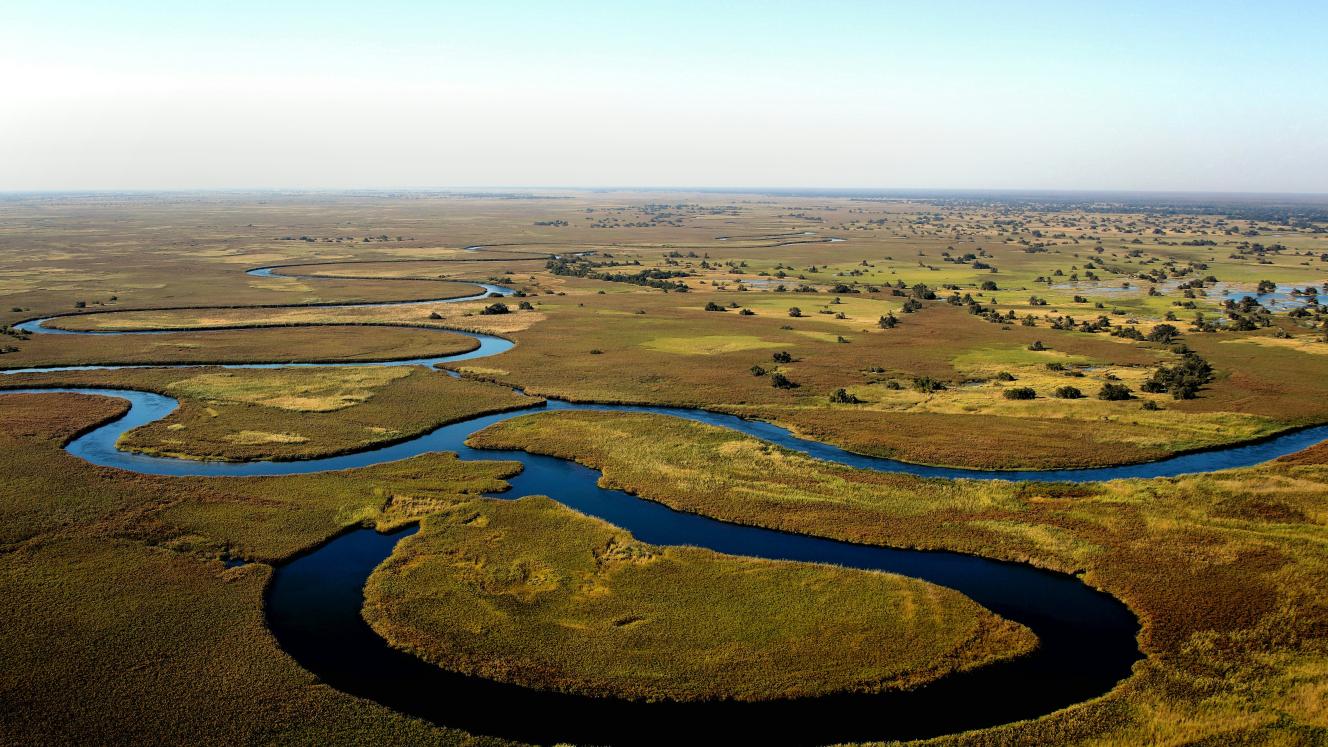
Ecotourism in Botswana is a critical component of its tourism strategy, emphasizing conservation, community involvement, and low-impact travel. The country is renowned for its pristine wilderness, abundant wildlife, and commitment to preserving its natural heritage. Ensuring that ecotourism operations meet high standards is paramount to protecting these assets while also providing economic benefits to local communities.
The BTO’s review is expected to lead to updated guidelines and potentially new certification schemes that will guide tourism businesses in adopting more sustainable practices. This could include aspects such as waste management, energy efficiency, water conservation, and the protection of biodiversity. The organization also aims to ensure that certified operations contribute meaningfully to the socio-economic development of the areas in which they operate.
By refining its ecotourism certification, Botswana seeks to further solidify its position as a premier ecotourism destination, attracting responsible travelers who value environmental stewardship and authentic cultural experiences. The review process is a proactive step towards maintaining the integrity of Botswana’s tourism product and securing its future.
Key Points
Read the Complete Article.


