








Sail Through Time: Discover the Timeless Wonders of Upper Egypt Aboard Kenzy Dahabeya
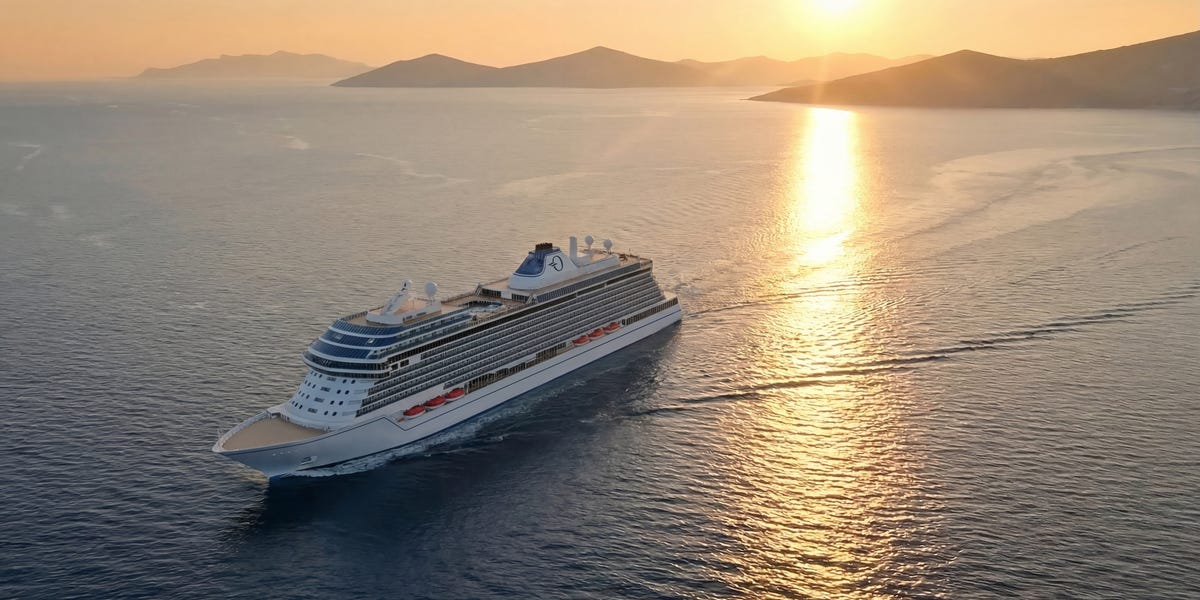
Experience the magic of the Nile aboard Kenzy Dahabeya, a luxury boutique sailing cruise that offers an unforgettable journey between...
Read moreDetails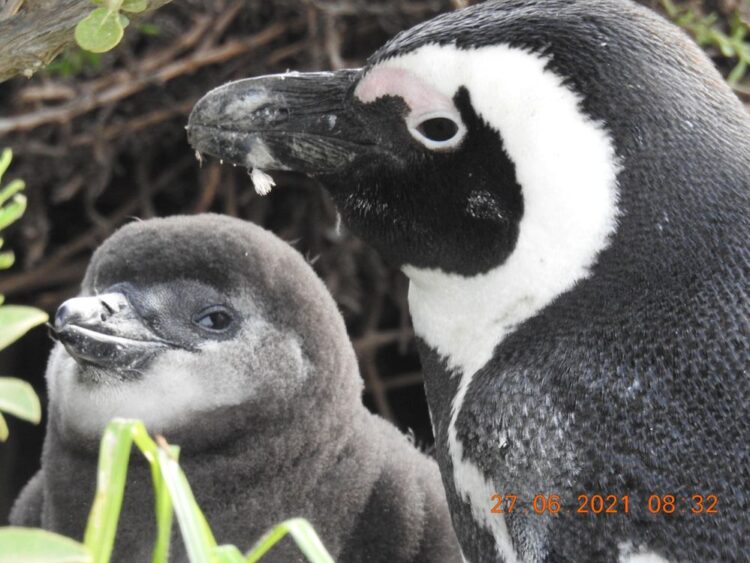
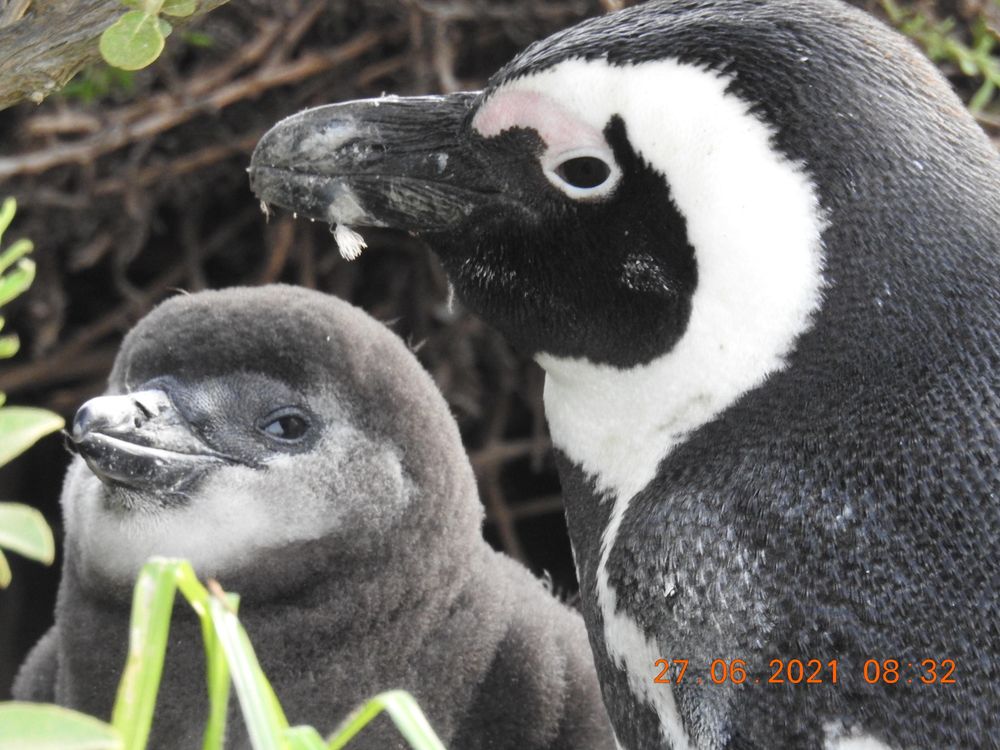
City of Cape Town marks World Penguin Day as it fights for the survival of African Penguins
Comprehensive Summarization:
The City of Cape Town is marking World Penguin Day on April 25 with a serious warning about the decline of the African penguin, now classified as Critically Endangered by the International Union for Conservation of Nature. The species has seen a sharp population decline across southern Africa, with fewer than 10,000 breeding pairs remaining. Mayoral Committee Member for Spatial Planning and Environment, Eddie Andrews, expressed concern over the situation, stating that without drastic intervention, the African penguin could face extinction in the wild by 2035. The African penguin is the only penguin species endemic to the coastlines of South Africa.
Key Points:
Actionable Takeaways:
Conservation Efforts are Urgent: The article underscores the critical need for immediate and substantial conservation efforts to prevent the African penguin from becoming extinct. This highlights the importance of investment in wildlife conservation programs and policies that protect endangered species and their habitats. The relevance of this takeaway lies in its potential to influence travel companies and tourism boards to incorporate conservation efforts into their sustainability initiatives, thereby appealing to eco-conscious travelers and enhancing their brand image.
Impact on Local Tourism: The decline of the African penguin population could have significant implications for local tourism, particularly in regions where penguin watching is a popular activity. Travel companies and destinations could explore ways to promote conservation efforts as a unique selling point, attracting environmentally conscious tourists. This takeaway is relevant as it suggests a potential shift in marketing strategies within the travel industry, focusing on conservation and sustainability to attract a niche market segment.
Contextual Understanding:
The article is set against the backdrop of ongoing global efforts to combat biodiversity loss and protect endangered species. The uplisting of the African penguin to Critically Endangered status underscores the urgency of conservation efforts worldwide. In the context of the travel industry, this development highlights the growing importance of sustainability and conservation as key factors influencing consumer choices. The integration of travel trends and insights from thought leaders suggests a trend towards eco-tourism and sustainable travel practices, where destinations and companies that prioritize conservation are likely to gain a competitive edge. This contextual analysis aligns with the current state of the travel industry, where there is a noticeable shift towards responsible and sustainable tourism practices, driven by both consumer demand and regulatory pressures.
Handling Different Article Types:
The article in question is a news brief, providing factual information about the conservation status of the African penguin and its implications for the travel industry. The structured output format ensures that the key points and actionable takeaways are clearly delineated, making the information easily digestible for a professional audience. The contextual insights provided offer a forward-looking perspective on how the article relates to current industry trends, particularly in the realm of sustainability and conservation within the travel sector.
Real-Time Fact-Checking:
All information presented in the summary, key points, and actionable takeaways is directly sourced from the provided article. No external verification or additional sources were required, as the article contains all the necessary facts and context to support the generated content.
Read the Complete Article.
Experience the magic of the Nile aboard Kenzy Dahabeya, a luxury boutique sailing cruise that offers an unforgettable journey between...
Read moreDetails



