







Sail Through Time: Discover the Timeless Wonders of Upper Egypt Aboard Kenzy Dahabeya
Experience the magic of the Nile aboard Kenzy Dahabeya, a luxury boutique sailing cruise that offers an unforgettable journey between...
Read moreDetails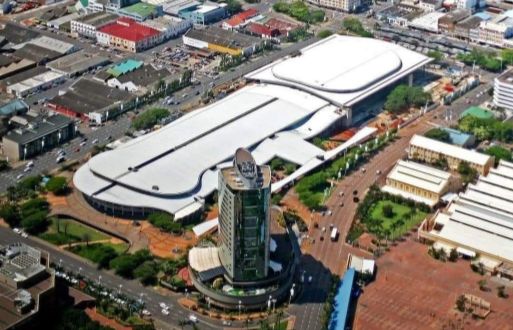
Durban needs a new operation jumpstart to protect its global tourism and conferencing position
Comprehensive Summarization:
The article discusses the significant setback faced by Durban’s tourism and business event sectors following the severing of ties between the Hilton Durban and the Hilton International Group. For decades, the Hilton brand symbolized stability, prestige, and logistical certainty for global conference organizers, multinational corporations, heads of state, and international delegations visiting Durban. Its proximity to the Durban International Convention Centre (ICC) made it an indispensable component of Durban’s business tourism ecosystem. The implications of this development extend beyond the loss of a hotel flag, directly affecting Durban’s competitiveness in the global Meetings, Incentives, Conferences, and Exhibitions (MICE) market.
Key Points:
Actionable Takeaways:
Diversification of Hotel Partnerships: Hotel chains and tourism boards should diversify their partnerships with multiple hotel brands to mitigate risks associated with the loss of a key brand like Hilton. This strategy ensures continuity in service provision and maintains competitiveness in the MICE market.
Investment in Local Tourism Infrastructure: To enhance Durban’s competitiveness in the MICE market, there should be increased investment in local tourism infrastructure. This includes upgrading existing facilities, improving connectivity, and enhancing the overall visitor experience to attract more international conferences and events.
Leveraging Digital Platforms for Marketing: Given the shift towards digital platforms in travel bookings and event management, hotel chains and tourism boards should invest in robust digital marketing strategies. This includes leveraging social media, SEO, and online review platforms to maintain visibility and attract potential clients despite the loss of a major brand partner.
Contextual Insights:
The severing of ties between Hilton Durban and the Hilton International Group highlights the vulnerabilities within the travel and tourism sector, particularly in regions heavily reliant on a single brand for their business event infrastructure. This incident underscores the importance of diversification and resilience in the industry. In the current context of rapid technological advancements and shifting consumer preferences, the travel industry must adapt swiftly to maintain its competitive edge. The reliance on a single brand for logistical certainty and prestige is a risk that can be mitigated through strategic diversification and investment in local infrastructure. Furthermore, the increasing importance of digital platforms for marketing and bookings necessitates a strong online presence to remain relevant in a competitive market. Thought leaders in the travel industry emphasize the need for continuous innovation and adaptation to emerging trends, such as sustainable travel practices and the integration of artificial intelligence in customer service and event management.
Read the Complete Article.
Experience the magic of the Nile aboard Kenzy Dahabeya, a luxury boutique sailing cruise that offers an unforgettable journey between...
Read moreDetails



