













Comprehensive Summarization:
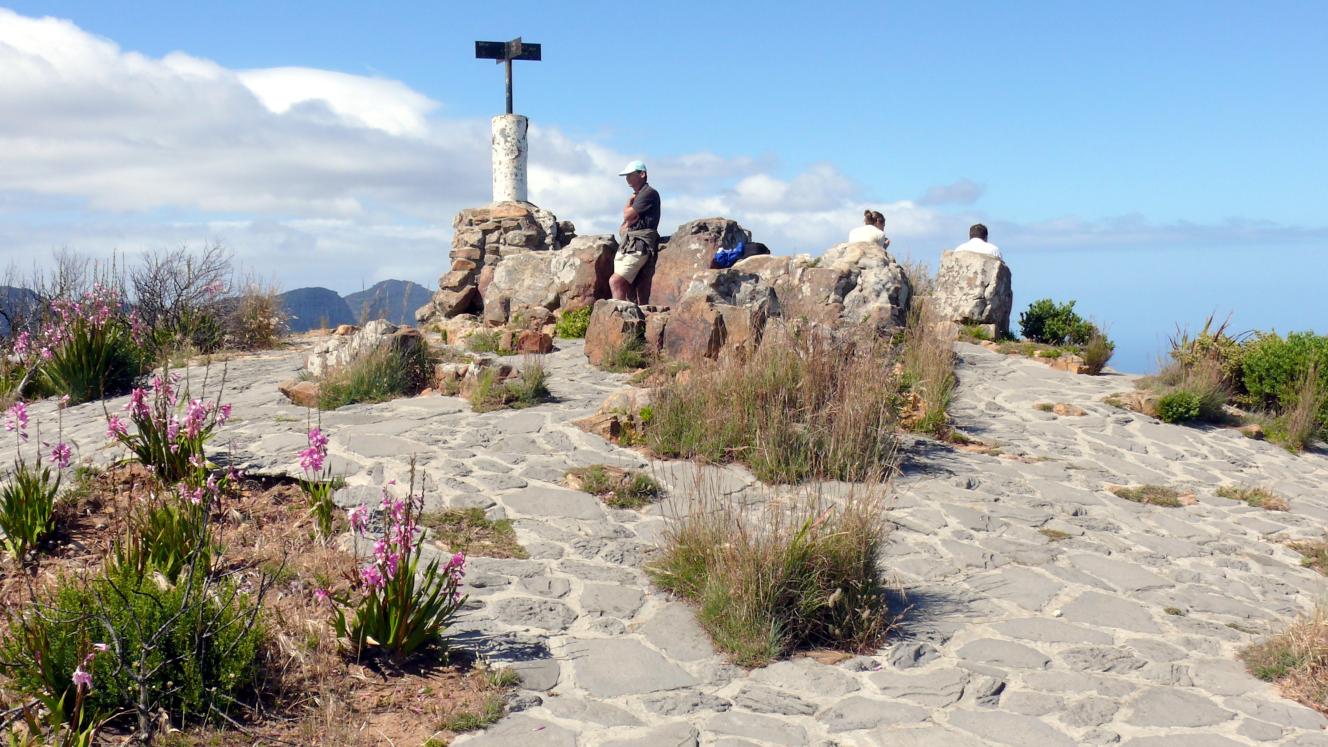
The article announces the temporary closure of the Jeep Track at Lion’s Head, managed by SANParks, from April 20 to June 20, 2026, for maintenance work. This closure will render the track inaccessible to the public, subject to project timelines and weather conditions. However, hikers will still have access to the Lion’s Head summit via alternative routes such as the Kramat trail on Signal Hill Road, the Upper Rhine Road trail, and the trail from Kloof Road. The Lion’s Head parking area will remain open for those using the Kramat route. The maintenance project aims to enhance trail safety and improve the overall visitor experience. SANParks has urged the public to adhere to all posted signage and safety guidelines during this period.
Key Points:
- Jeep Track at Lion’s Head will be temporarily closed from April 20 to June 20, 2026, for maintenance.
- The closure is expected to affect public access to the Jeep Track, with alternative routes available for hikers.
- SANParks is prioritizing trail safety improvements and visitor experience enhancements during the maintenance period.
- The Lion’s Head parking area will remain accessible for those utilizing the Kramat route.
Actionable Takeaways:
-
Plan Alternative Routes: Hikers and outdoor enthusiasts should plan their visits to Lion’s Head using alternative routes such as the Kramat trail, Upper Rhine Road trail, or the trail from Kloof Road. This ensures continued access to the summit despite the Jeep Track closure, aligning with current travel safety practices.
-
Monitor Trail Updates: Stay informed about the maintenance project’s progress and any updates to trail conditions or safety guidelines. SANParks’ adherence to safety protocols underscores the importance of following posted signage and advisories, reflecting best practices in travel and tourism management.
Contextual Insights:
The temporary closure of the Jeep Track at Lion’s Head underscores the ongoing emphasis within the travel industry on safety and visitor experience enhancement. This initiative aligns with broader travel trends focusing on sustainable tourism practices and the integration of technology for improved accessibility and safety. As the travel sector continues to evolve, innovations in trail management and visitor guidance systems are becoming increasingly critical. The focus on maintaining alternative routes and ensuring public safety reflects a growing industry trend towards adaptive and responsive travel infrastructure. This context highlights the importance of real-time communication and adaptability in managing visitor experiences during maintenance periods, setting a precedent for future travel infrastructure projects.
Read the Complete Article.



