
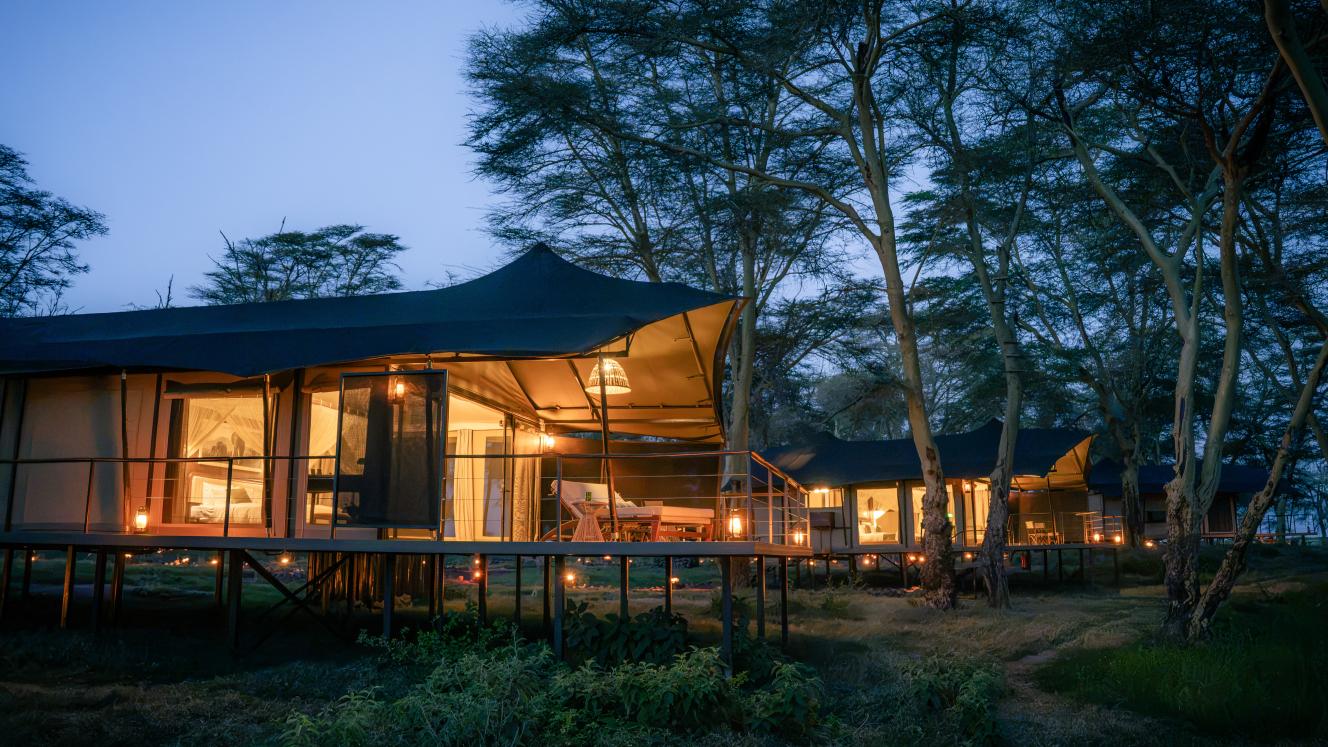
Soroi expands Kenya offering with new travel packages
THE NEWS: Soroi Collection has opened two new Kenyan properties — Soroi Amboseli inside Amboseli National Park and Soroi Blue on...
Read moreDetailsEvery alert that matters — when it happens.

Outcry over Ritz-Carlton in Mara
The Maasai Mara, a jewel of Kenya’s wildlife tourism, is currently at the center of a heated debate following the planned opening of a luxury Ritz-Carlton Reserve. While proponents hail the development as a potential economic boon, a significant outcry from conservationists, local communities, and safari operators highlights deep concerns about its impact on the delicate ecosystem and the traditional Maasai way of life.
The core of the controversy lies in the juxtaposition of ultra-luxury tourism with a pristine natural environment renowned for its biodiversity and cultural heritage. Critics argue that a development of this scale, promising unparalleled opulence, is fundamentally at odds with the principles of sustainable and responsible tourism that have long defined the Mara experience. Questions are being raised about the environmental footprint of such a large-scale project, including water usage, waste management, and potential disruption to wildlife corridors.
Furthermore, there are significant concerns regarding the equitable distribution of benefits. Many fear that the economic advantages of the Ritz-Carlton Reserve will primarily accrue to international investors and a select few, bypassing the local Maasai communities who are the custodians of this land. The potential for increased land prices and displacement of existing tourism ventures that operate on a more community-integrated model also fuels apprehension.
Safari operators, who have built their businesses on providing authentic and eco-conscious experiences, express worry about the commodification of the Mara. They fear that the introduction of an ultra-high-end, exclusive experience could alienate the traditional safari-goer and alter the very essence of what makes the Mara so special – its raw beauty and the deep connection it offers to nature and culture.
The debate underscores a critical challenge facing many of Africa’s most iconic wildlife destinations: how to balance the allure of high-spending tourism with the imperative of conservation and community empowerment. As the Ritz-Carlton Reserve gears up for its eventual opening, the Kenyan government and stakeholders face the unenviable task of navigating these complex issues, ensuring that progress does not come at the cost of the Mara’s invaluable natural and cultural capital. The outcome of this debate will undoubtedly set a precedent for future high-end developments in sensitive ecosystems across the continent.
Key Points
The article does not contain specific revenue numbers, KPI’s, or detailed data points. The key takeaways and facts presented are primarily qualitative and relate to the controversy surrounding the Ritz-Carlton Reserve development in the Maasai Mara:
Read the Complete Article.
THE NEWS: Soroi Collection has opened two new Kenyan properties — Soroi Amboseli inside Amboseli National Park and Soroi Blue on...
Read moreDetails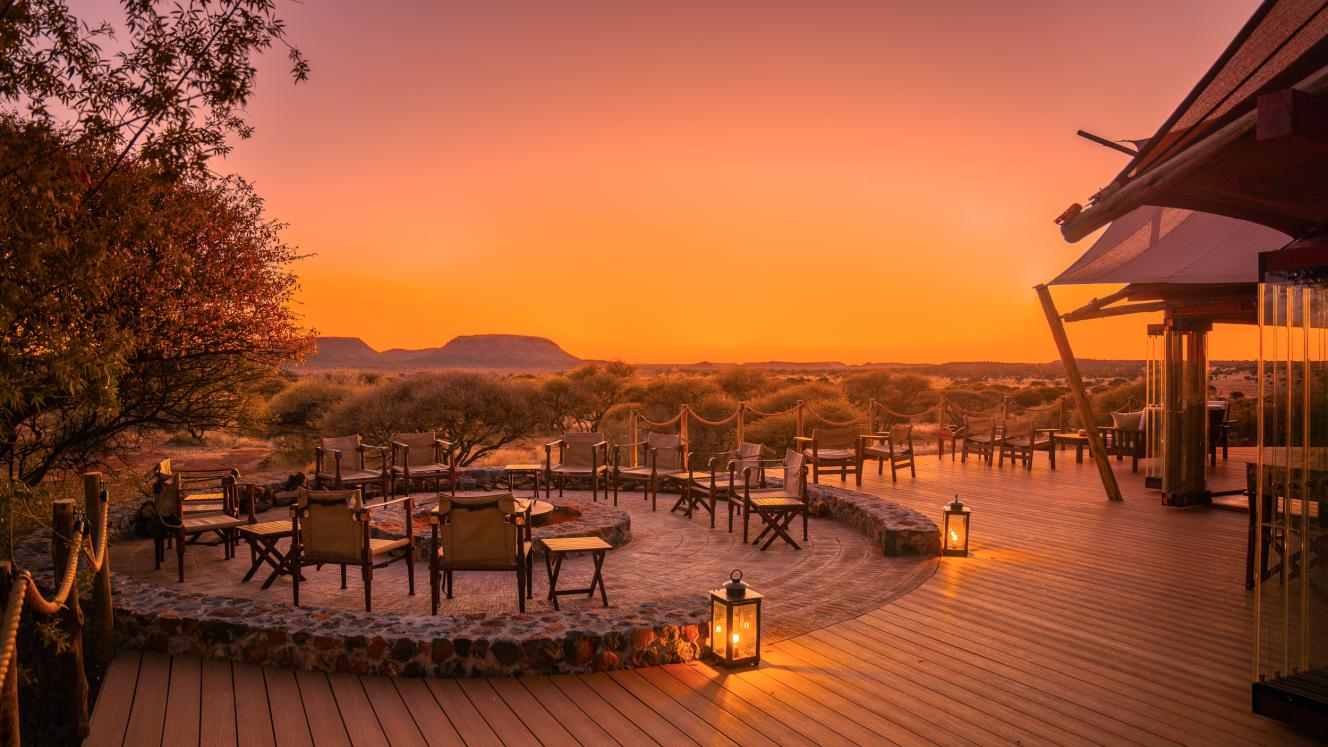
Experience the magic of the Nile aboard Kenzy Dahabeya, a luxury boutique sailing cruise that offers an unforgettable journey between...
Read moreDetails





