













Comprehensive Summarization:
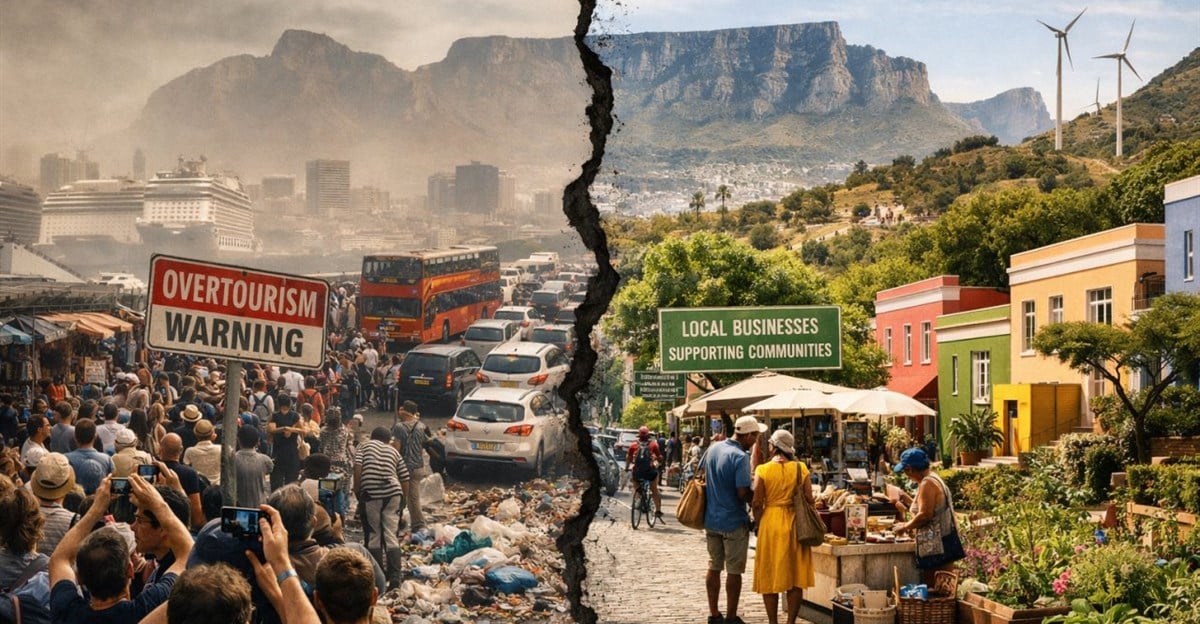
The article, penned by the CEO of Cape Town Tourism, emphasizes the need for a more honest assessment of tourism’s impact. It critiques the tendency of tourism leaders to celebrate growth without critically examining its consequences. The article highlights Cape Town’s impressive tourism statistics, including a direct tourism spend of R24.5 billion and 106,707 tourism-supported jobs. However, it warns against viewing growth as the sole measure of success, advocating for a balanced approach that considers the quality of tourism experiences. The term “over-tourism” is cautioned against being used indiscriminately, suggesting a more nuanced understanding of its implications. The piece underscores the importance of thoughtful, sustainable tourism practices in the face of growing visitor numbers.
Key Points:
- The CEO of Cape Town Tourism calls for a more honest evaluation of tourism’s impact, moving beyond mere celebration of growth.
- Cape Town’s tourism sector shows significant economic value, with R24.5 billion in direct tourism spend and 106,707 jobs supported.
- The article warns against equating tourism growth with success, advocating for a more nuanced understanding of tourism’s true value.
- The term “over-tourism” is cautioned against being used loosely, suggesting a need for a more thoughtful approach to managing visitor numbers.
- The article underscores the importance of sustainable tourism practices in light of increasing visitor numbers.
Actionable Takeaways:
-
Holistic Tourism Evaluation: Tourism leaders should adopt a more balanced approach to assessing tourism’s impact, moving beyond mere growth metrics to consider the quality and sustainability of tourism experiences. This approach is crucial for ensuring that tourism contributes positively to local economies and communities.
-
Critical Use of “Over-Tourism”: The term “over-tourism” should be used with caution and a nuanced understanding. It should not be applied indiscriminately but should be employed when there are clear, negative impacts on the tourism experience or local communities. This nuanced approach can help in making informed decisions about tourism management and policy.
-
Sustainable Tourism Practices: Given the increasing visitor numbers, there is a pressing need for sustainable tourism practices. This includes implementing measures to manage visitor flow, protect local environments, and ensure that tourism benefits local communities. Such practices are essential for the long-term viability and attractiveness of tourism destinations.
Contextual Insights:
The article reflects current industry trends where tourism leaders are increasingly called upon to demonstrate the true value and impact of tourism beyond mere growth figures. The emphasis on sustainable practices and a nuanced understanding of terms like “over-tourism” aligns with broader industry movements towards more responsible and ethical tourism. The focus on Cape Town’s tourism sector highlights the broader challenges faced by destinations worldwide in balancing growth with sustainability. The insights provided are directly relevant to travel startups and fintech innovations, as they underscore the need for innovative solutions that support sustainable tourism practices and help manage the complexities of modern tourism.
Read the Complete Article.



