












Comprehensive Summarization:
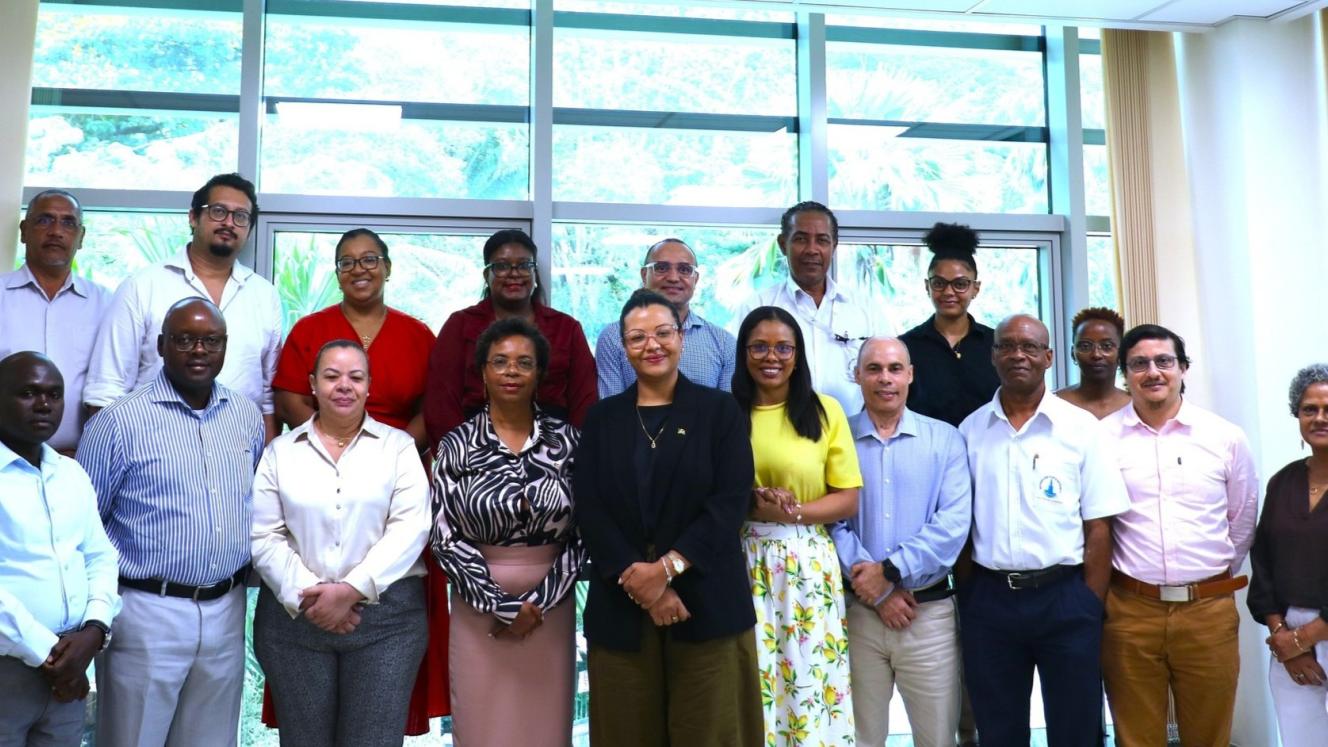
Tourism Seychelles, in collaboration with the United Nations Economic Commission for Africa, has completed a two-year cost-benefit analysis and stakeholder engagement process concerning cruise tourism. The findings reveal that while cruise tourism significantly contributes to job creation, international tourism revenue, and small business opportunities, it also poses risks to marine ecosystems, infrastructure capacity, and community well-being. These risks necessitate careful management. The article also touches on the broader travel industry trends, highlighting the importance of sustainable tourism practices and the role of technology in shaping the future of travel.
Key Points:
- Tourism Seychelles, in partnership with the United Nations Economic Commission for Africa, conducted a two-year cost-benefit analysis and stakeholder engagement process focused on cruise tourism.
- The analysis indicates that cruise tourism brings substantial economic benefits, including job creation, increased international tourism revenue, and opportunities for small businesses.
- However, high-volume visitor arrivals from cruise tourism can negatively impact marine ecosystems, infrastructure capacity, and community well-being, necessitating careful management strategies.
- The article underscores the importance of sustainable tourism practices and the role of technology in the evolving travel industry.
Actionable Takeaways:
-
Sustainable Management of Cruise Tourism: Given the potential negative impacts of high-volume visitor arrivals on marine ecosystems and community well-being, it is crucial for Seychelles to implement sustainable management strategies for cruise tourism. This could involve setting visitor caps, investing in eco-friendly infrastructure, and promoting responsible tourism practices among cruise operators. This approach aligns with the growing trend of sustainable tourism and could enhance the long-term viability of cruise tourism in the region.
-
Leveraging Technology for Sustainable Tourism: The article highlights the importance of careful management in balancing the economic benefits of cruise tourism with its environmental and social impacts. This underscores the potential role of technology in developing innovative solutions for sustainable tourism. For instance, leveraging data analytics to monitor environmental impacts, using digital platforms for stakeholder engagement, or employing smart infrastructure solutions could help mitigate the negative effects of cruise tourism. This takeaway is particularly relevant in the context of the travel industry’s increasing focus on technology-driven solutions for sustainability.
Contextual Insights:
The article’s focus on the dual nature of cruise tourism—its economic benefits alongside environmental and social challenges—reflects a broader trend in the travel industry towards sustainable and responsible tourism practices. As cruise tourism continues to grow, the need for balanced management strategies becomes increasingly critical. This aligns with recent industry insights that emphasize the importance of integrating technology and innovation to address sustainability concerns. Furthermore, the partnership between Tourism Seychelles and the United Nations Economic Commission for Africa highlights a growing trend of international collaboration in addressing global tourism challenges. This context suggests that forward-thinking travel destinations like Seychelles are likely to adopt more integrated and technology-driven approaches to manage the complexities of modern tourism, ensuring both economic growth and environmental preservation.
Read the Complete Article.



