












Comprehensive Summarization:
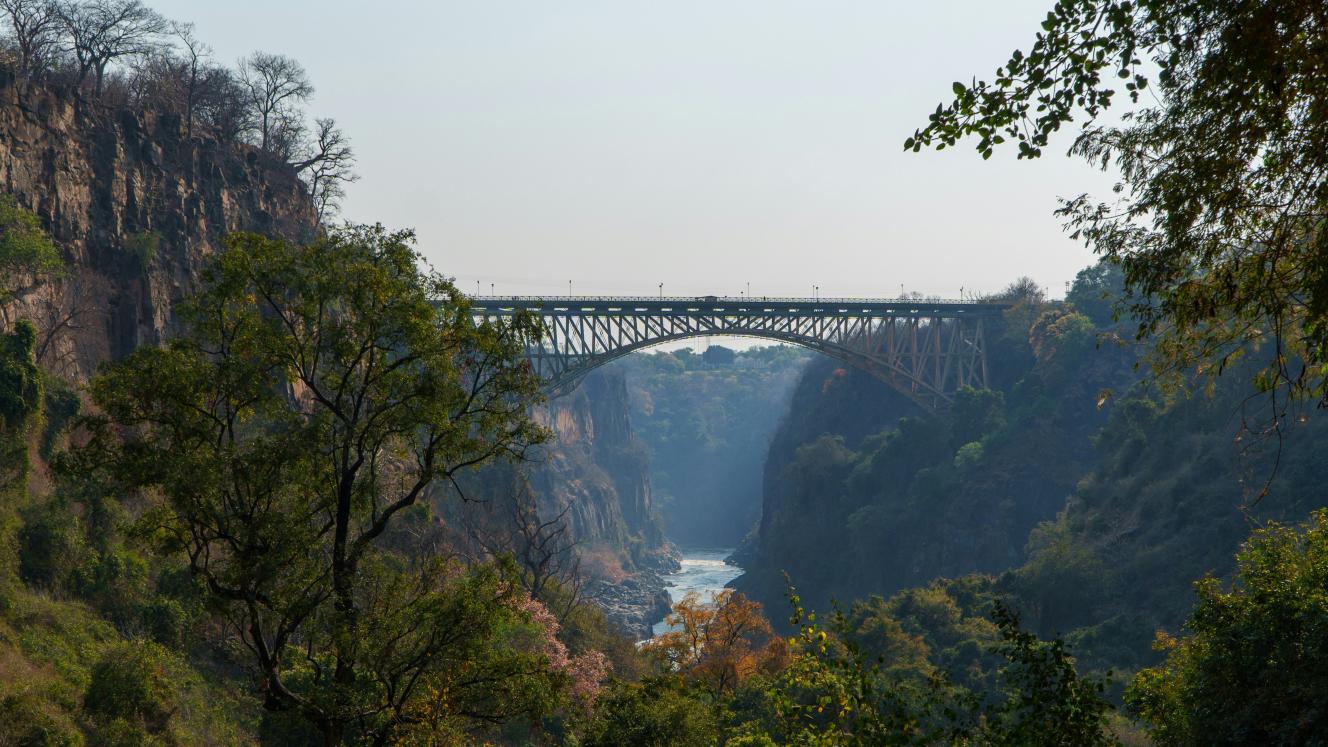
The article discusses planned restrictions on heavy vehicles and trains crossing the Victoria Falls Bridge, which is unlikely to impact tourism operations in the short term. This decision is due to the bridge’s age and structural limitations, as it has surpassed its original 100-year design lifespan. Zambia and Zimbabwe are planning a new bridge and rail crossing to accommodate heavy traffic while preserving the historic structure. Zambian President Hakainde Hichilema announced these plans, emphasizing the need to maintain the bridge’s historical significance while addressing its structural issues.
Key Points:
- The Victoria Falls Bridge, opened in 1905, is nearing the end of its original 100-year design lifespan.
- Zambia and Zimbabwe plan to restrict heavy vehicles and trains on the bridge due to its structural limitations.
- A new bridge and rail crossing are being planned to accommodate heavy traffic and preserve the historic structure.
- Zambian President Hakainde Hichilema confirmed these plans, highlighting the importance of balancing modern infrastructure needs with historical preservation.
Actionable Takeaways:
-
Infrastructure Investment in Tourism: The planned new bridge and rail crossing could stimulate tourism infrastructure development in the region. Governments and private investors may see opportunities in supporting such projects, which could lead to increased investment in travel-related sectors, including transportation, hospitality, and tourism marketing.
-
Sustainable Tourism Practices: The focus on preserving the historic structure while accommodating modern traffic needs underscores the importance of sustainable tourism practices. Travel companies and startups could explore innovative solutions in eco-friendly transportation and infrastructure that align with both preservation goals and modern travel demands.
Contextual Insights:
The article reflects current trends in infrastructure development within the travel industry, particularly the need to balance preservation with modernization. As bridges and transportation systems age, there is a growing trend towards phased upgrades and replacements to ensure safety and functionality without compromising historical integrity. This aligns with broader industry trends towards sustainable and resilient infrastructure, where investments are made not just for immediate needs but also for long-term viability. Furthermore, the article highlights the role of government leadership in shaping tourism infrastructure, a critical factor in attracting both domestic and international tourists. As travel trends continue to evolve, with a focus on sustainability and safety, such strategic infrastructure planning will likely become a key consideration for travel startups and fintech companies looking to innovate within the sector.
Read the Complete Article.



