












Comprehensive Summarization:
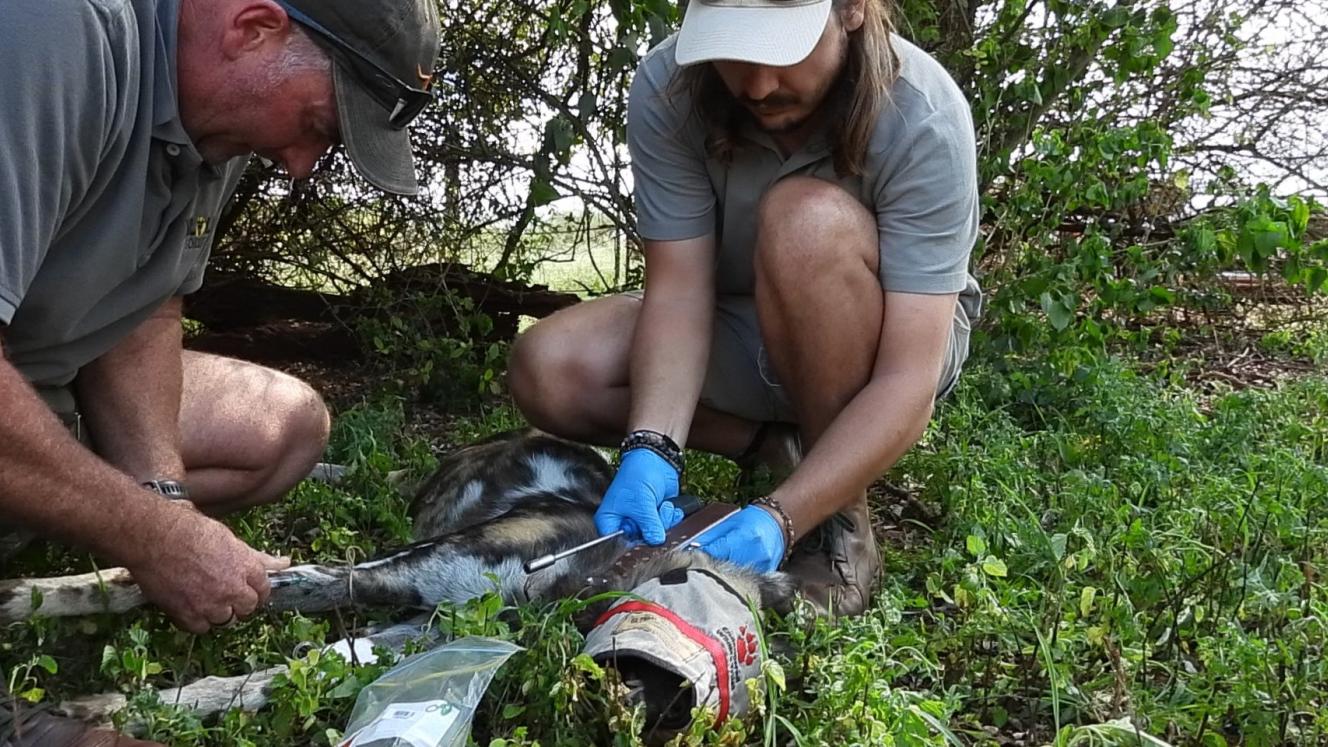
The article reports on the relocation of a pack of African wild dogs, consisting of two females and one male, to Zimanga Private Game Reserve in KwaZulu-Natal, South Africa. This translocation is a significant step for wild dog conservation in the region, as the species remains one of Africa’s most endangered carnivores. The relocation is a collaborative effort between the reserve, the Endangered Wildlife Trust, Wildlife ACT, and several other partners. The pack is currently undergoing an acclimation period at a temporary predator holding facility before its release into the reserve. Post-release monitoring will be supported by GPS data collected by Wildlife ACT’s tracking collars and the reserve’s own on-the-ground updates.
Key Points:
- A pack of African wild dogs (two females and one male) has been relocated to Zimanga Private Game Reserve in KwaZulu-Natal.
- The relocation is a collaborative effort between the reserve, the Endangered Wildlife Trust, Wildlife ACT, and other partners.
- The pack is undergoing an acclimation period at a temporary predator holding facility before release.
- Post-release monitoring will utilize GPS data from Wildlife ACT’s tracking collars and on-the-ground updates from the reserve.
Actionable Takeaways:
-
Conservation Collaboration: The translocation of the wild dog pack exemplifies successful collaboration between conservation organizations, game reserves, and technology partners like Wildlife ACT. This model can be replicated for other endangered species, enhancing conservation efforts and potentially leading to increased funding and partnerships in the conservation sector.
-
Technology in Conservation: The use of GPS tracking collars by Wildlife ACT for post-release monitoring showcases the integration of technology in wildlife conservation. This approach not only aids in the survival and adaptation of the wild dogs but also sets a precedent for using technology to monitor and protect other endangered species. Travel and tourism companies could explore partnerships with conservation tech firms to offer eco-tourism experiences that support such conservation efforts.
Contextual Understanding:
The relocation of the African wild dog pack to Zimanga Private Game Reserve underscores the ongoing challenges and advancements in wildlife conservation in Africa. African wild dogs are critically endangered, with their populations facing threats from habitat loss, human-wildlife conflict, and disease. The collaborative effort between conservation organizations, game reserves, and technology providers like Wildlife ACT highlights a growing trend in conservation: leveraging technology to monitor and protect endangered species. This aligns with broader industry trends towards integrating technology in travel and tourism, particularly in eco-tourism and conservation-focused travel experiences. As the travel industry continues to evolve, there is a growing emphasis on sustainable and responsible travel practices, including supporting conservation efforts through tourism. This article reflects the increasing importance of such partnerships in achieving meaningful conservation outcomes and could inspire similar initiatives in other regions facing similar conservation challenges.
Handling Different Article Types:
The article provided is a news blurb, offering factual information about a specific conservation initiative. The structured output format above is tailored to present such factual summaries clearly and concisely, ensuring that the information is easily digestible for a professional audience. If the article were an opinion piece or feature, the analysis would shift to include perspectives, expert opinions, and deeper insights into the broader implications of the topic. However, given the factual nature of the article, the focus remains on summarizing the key developments and extracting actionable insights directly related to the content provided.
Read the Complete Article.



