











Comprehensive Summarization:
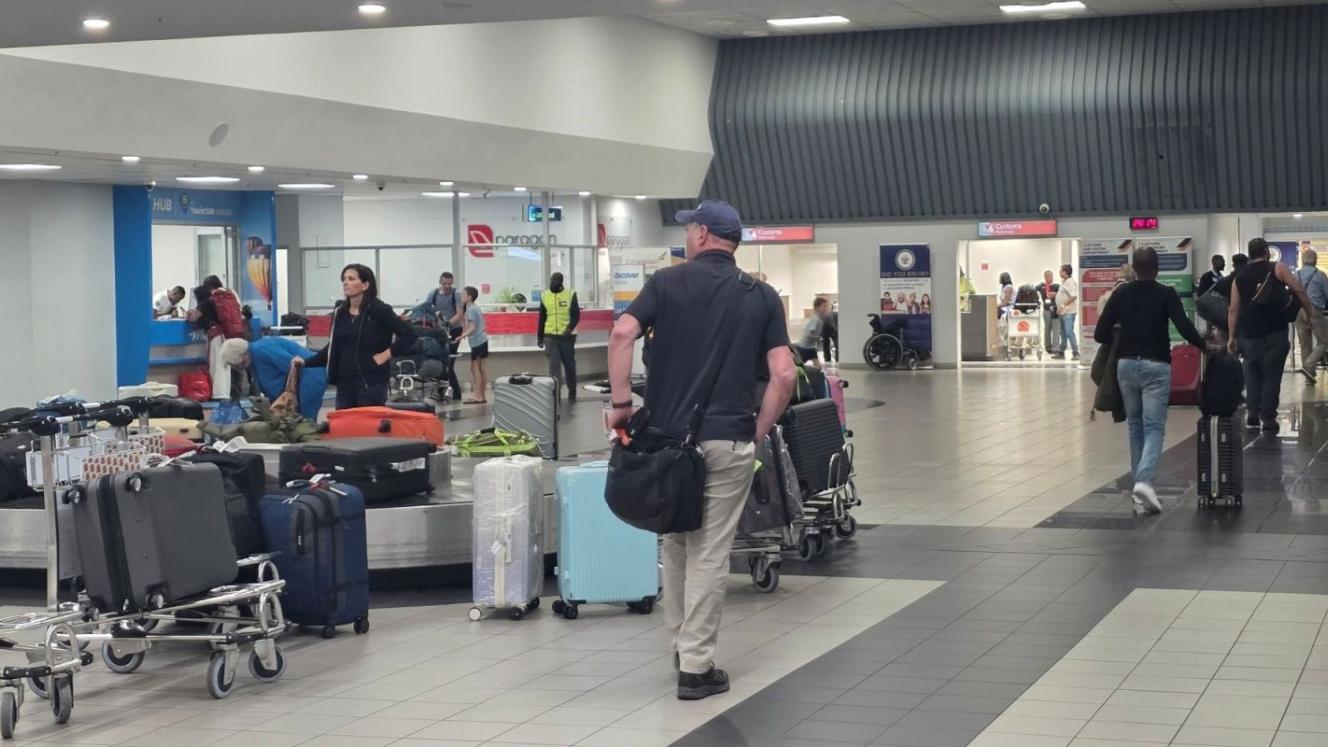
The article announces that Namibia’s Minister of Works and Transport, Veikko Nekundi, has revealed plans to construct a third terminal at Hosea Kutako International Airport in Windhoek through a public-private partnership with the Namibia Airports Company. This initiative was discussed during Aviation Africa Week in Windhoek (April 22-24). Additionally, Nekundi outlined plans to revive Namibia Air and invest in aviation systems, including radar, air traffic management, and navigation infrastructure. These developments aim to enhance the safety and efficiency of operations in the Namibian aviation sector.
Key Points:
- The government plans to build a third terminal at Hosea Kutako International Airport in Windhoek through a public-private partnership with the Namibia Airports Company.
- Veikko Nekundi, the Minister of Works and Transport, announced these plans during Aviation Africa Week in Windhoek.
- Nekundi also outlined plans to revive Namibia Air and invest in aviation systems, including radar, air traffic management, and navigation infrastructure.
- The investment aims to support safer and more efficient operations in the Namibian aviation sector.
Actionable Takeaways:
-
Public-Private Partnership for Airport Expansion: Establishing a third terminal at Hosea Kutako International Airport through a public-private partnership with the Namibia Airports Company could lead to improved infrastructure and capacity at the airport. This initiative is crucial for handling increased air traffic and supporting economic growth in Namibia. It reflects a strategic move to modernize and expand the country’s aviation infrastructure, aligning with broader travel industry trends towards enhanced connectivity and service quality.
-
Revival of Namibia Air and Aviation System Investments: The plan to revive Namibia Air, coupled with investments in radar, air traffic management, and navigation infrastructure, signals a commitment to modernizing the country’s aviation sector. This move is likely to enhance operational efficiency, safety, and service quality, making Namibia a more attractive destination for both domestic and international travelers. Such investments are indicative of a broader trend in the travel industry towards leveraging technology and innovation to improve travel experiences and operational efficiencies.
Contextual Insights:
The announcement of the third terminal at Hosea Kutako International Airport aligns with current industry trends towards expanding airport capacities to accommodate growing air traffic and meet the demands of a burgeoning travel market. This development is particularly relevant in the context of Namibia’s strategic position as a gateway to southern Africa, where increased connectivity can drive tourism and economic growth. The revival of Namibia Air, combined with investments in advanced aviation systems, reflects a forward-looking approach to modernizing the country’s aviation infrastructure. This aligns with global trends where airlines and airports are increasingly adopting technology-driven solutions to enhance safety, efficiency, and passenger experience. The focus on radar, air traffic management, and navigation infrastructure underscores the industry’s shift towards leveraging cutting-edge technologies to overcome challenges such as congestion, safety concerns, and operational inefficiencies. These developments not only promise to enhance the travel experience for Namibian citizens and visitors but also position Namibia as a competitive player in the regional and global aviation landscape.
Read the Complete Article.






