













Sail Through Time: Discover the Timeless Wonders of Upper Egypt Aboard Kenzy Dahabeya
Experience the magic of the Nile aboard Kenzy Dahabeya, a luxury boutique sailing cruise that offers an unforgettable journey between...
Read moreDetails
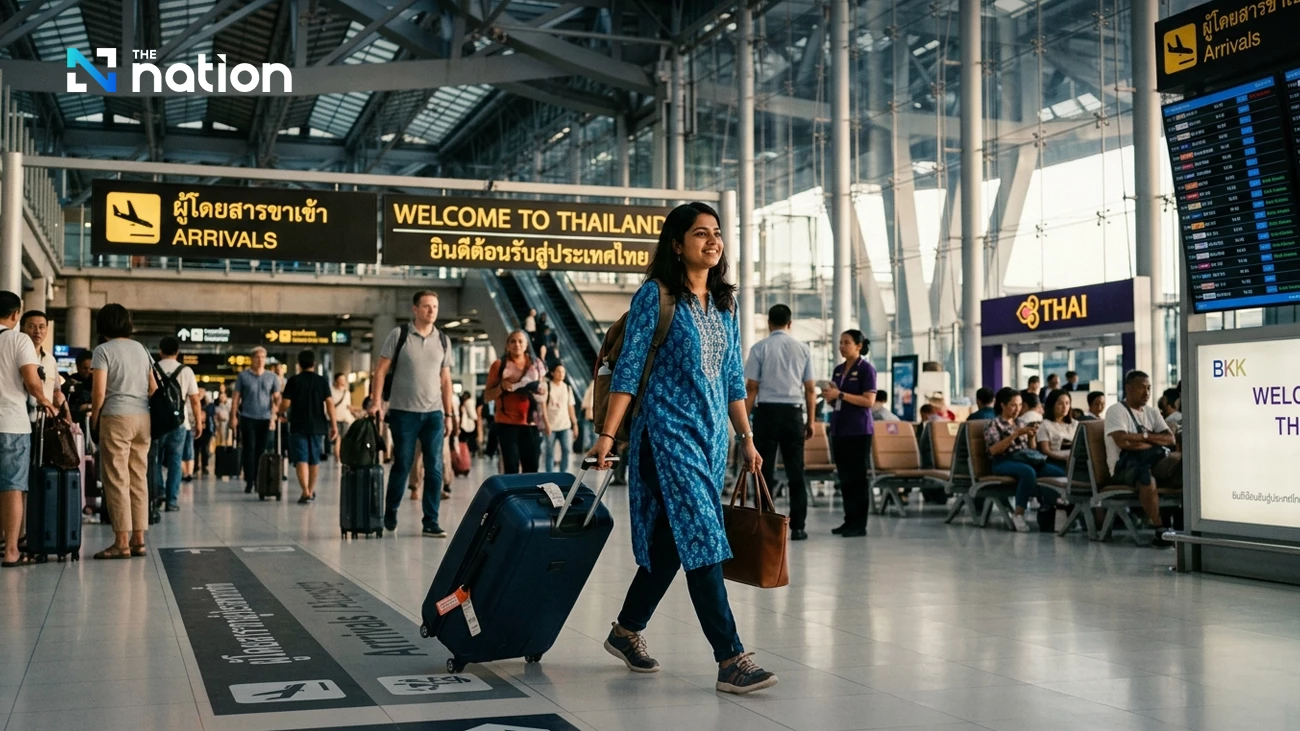
Foreign arrivals to Thailand pass 11 million in 2026, led by China and Malaysia
Comprehensive Summarization:
The article reports that Thailand recorded 11,364,781 foreign tourist arrivals from January 1 to April 26, 2026, marking a 3.40% year-on-year decline. Despite this decline, the tourism sector generated an estimated THB555,631 million in tourism spending, as stated by the Ministry of Tourism and Sports. The top five source markets for these arrivals were China, Malaysia, Russia, India, and South Korea. Natreeya Taweewong, the permanent secretary of the ministry, highlighted a recovery in short-haul travel, with arrivals from these key markets up by more than 26% from the previous week. This indicates a positive trend in domestic travel within Southeast Asia, potentially driven by regional connectivity and safety perceptions.
Key Points:
Actionable Takeaways:
Recovery in Short-Haul Travel: The significant increase in short-haul travel from key source markets suggests a rebound in domestic tourism within Southeast Asia. Travel companies and airlines should focus on enhancing short-haul routes and offering competitive pricing to capitalize on this trend. This could lead to increased revenue and market share for regional airlines and travel agencies.
Diversification of Source Markets: The continued importance of China and Malaysia as top source markets, despite the overall decline, indicates a resilient demand from these regions. Travel businesses should consider strengthening partnerships and marketing efforts in these markets to maintain and grow their market presence. This could involve targeted promotional campaigns and improved travel services to meet the specific needs of travelers from these countries.
Regional Connectivity and Safety Perception: The recovery in short-haul travel highlights the importance of regional connectivity and the perception of safety in travel. Travel agencies and tourism boards should emphasize the safety measures and connectivity benefits of traveling within Southeast Asia. This could include highlighting visa-free travel policies, efficient airport services, and the region’s natural and cultural attractions to attract more tourists.
Contextual Insights:
The decline in foreign tourist arrivals, despite generating substantial tourism spending, underscores the resilience and adaptability of Thailand’s tourism sector. The recovery in short-haul travel indicates a positive shift towards intra-regional tourism, which is often more convenient and cost-effective for travelers. This trend aligns with broader industry movements towards sustainable and short-distance travel, driven by environmental concerns and the desire for more accessible travel options. For travel startups and fintech companies, this presents an opportunity to innovate in areas such as digital payment solutions, travel insurance, and personalized travel experiences tailored to short-haul travelers. By leveraging these insights, stakeholders can position themselves to capitalize on the evolving travel landscape in Southeast Asia.
Read the Complete Article.
Experience the magic of the Nile aboard Kenzy Dahabeya, a luxury boutique sailing cruise that offers an unforgettable journey between...
Read moreDetails




