
![[PRNewswire] Agoda Unveils Agoda Partner Portal](https://images.traveltrade.today/wp-content/uploads/2026/08/Agoda-unveils-new-Agoda-Partner-Portal-for-travel-partners.jpg)










Sail Through Time: Discover the Timeless Wonders of Upper Egypt Aboard Kenzy Dahabeya
Experience the magic of the Nile aboard Kenzy Dahabeya, a luxury boutique sailing cruise that offers an unforgettable journey between...
Read moreDetails
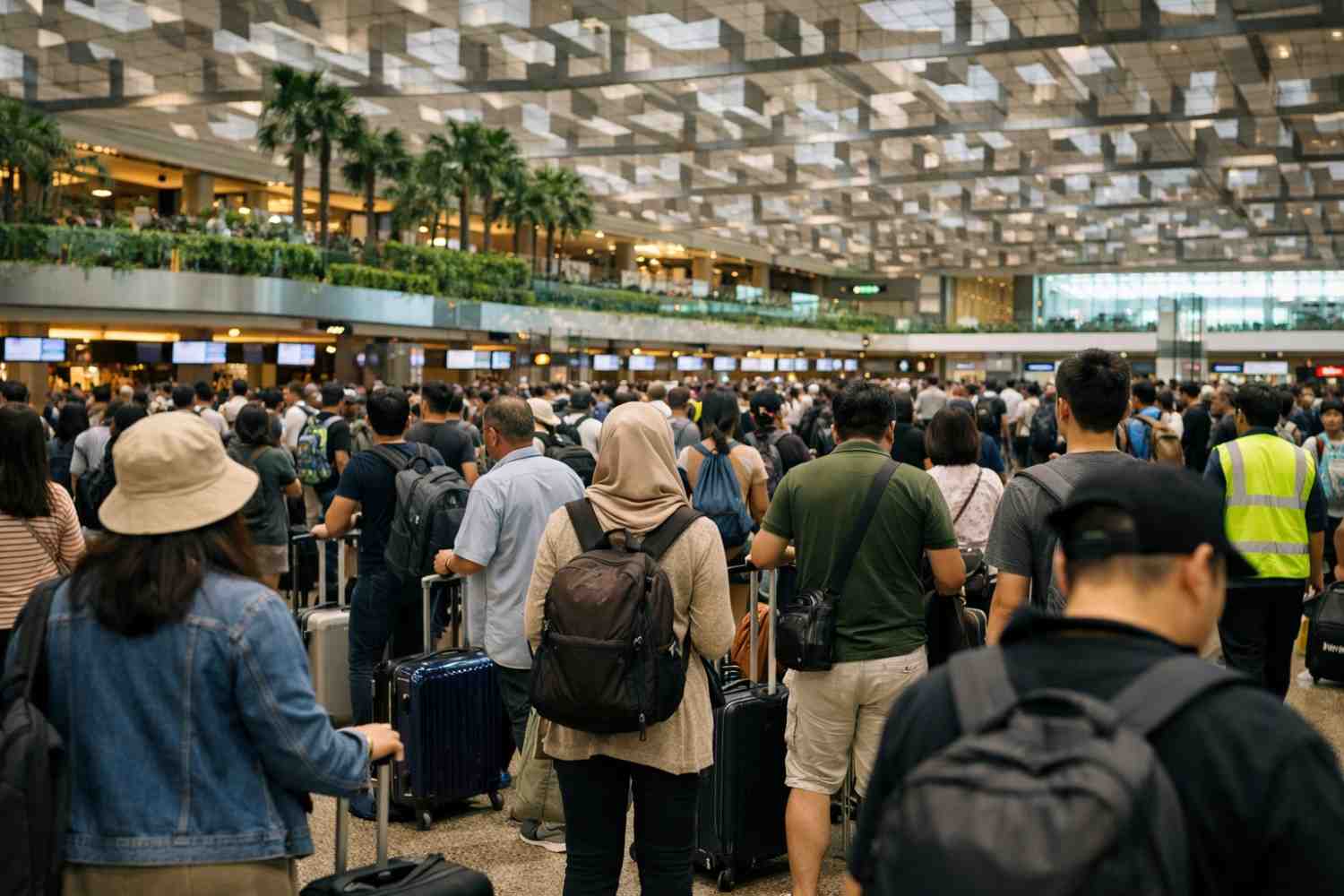
Singapore, Bangkok, Hong Kong Sees Direct Flights Surge, Boosting Asia Tourism Amid Higher Costs: Wh...
Comprehensive Summarization:
The article highlights a significant surge in direct flight prices from major European cities to key Asian destinations such as Singapore, Bangkok, and Hong Kong. This increase, reaching up to 298%, is primarily driven by geopolitical tensions in the Middle East and rising global oil prices above $100 per barrel. The surge in flight costs is reshaping travel dynamics in Southeast Asia, influencing tourism patterns as travelers face significantly higher expenses for non-stop journeys. The article underscores the impact of these price changes on the travel industry, particularly in a region that is a major tourism hotspot.
Key Points:
Actionable Takeaways:
Reassess Travel Budgets: Travelers should reassess their travel budgets, particularly for non-stop flights to Asia, due to the significant price increases. This may lead to a shift in travel planning, with more consideration given to alternative routes or destinations with lower flight costs.
Monitor Geopolitical Developments: Stakeholders in the travel industry should closely monitor geopolitical developments in the Middle East, as these can significantly impact flight prices and travel accessibility. Proactive adjustments to travel itineraries in response to geopolitical changes can help mitigate financial impacts.
Explore Alternative Routes: Airlines and travel agencies may need to explore alternative routes or partnerships to offer competitive pricing and maintain customer interest. This could involve leveraging partnerships with regional carriers or developing new flight paths to balance demand and cost.
Contextual Insights:
The surge in direct flight prices reflects broader trends in the global travel industry, where geopolitical tensions and oil price fluctuations play crucial roles in shaping travel costs. The article aligns with current industry trends where cost optimization and flexibility are becoming increasingly important for both travelers and travel service providers. Experts predict that such price volatility could lead to a greater emphasis on dynamic pricing strategies and the adoption of technology to offer more transparent and adaptable pricing models. Additionally, the article hints at potential opportunities for travel startups and fintech innovations, such as the development of travel cost management tools and dynamic pricing platforms, to help travelers navigate the changing landscape of airfare costs.
Read the Complete Article.
Experience the magic of the Nile aboard Kenzy Dahabeya, a luxury boutique sailing cruise that offers an unforgettable journey between...
Read moreDetails



