











Sail Through Time: Discover the Timeless Wonders of Upper Egypt Aboard Kenzy Dahabeya
Experience the magic of the Nile aboard Kenzy Dahabeya, a luxury boutique sailing cruise that offers an unforgettable journey between...
Read moreDetails
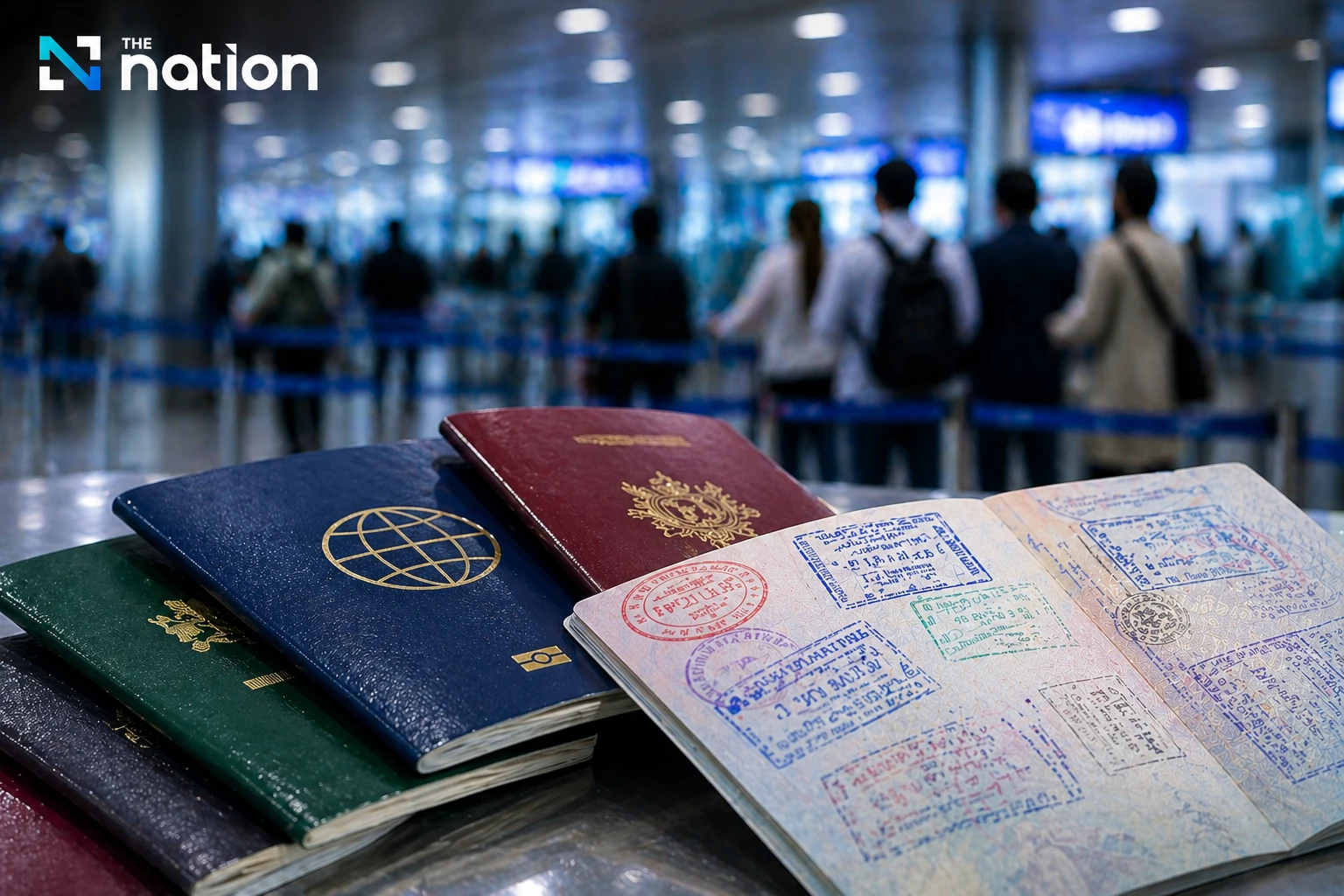
Easy entry risks — rethink 60-day visa waiver, says ATTA
Comprehensive Summarization:
The article discusses the perspective of Sisdivachr on the excessive length of tourist stays in Thailand, advocating for a reduction from the current two to three months to a shorter duration of two to three weeks. Data from the tourism sector supports this viewpoint, indicating that long-haul travelers from Europe typically stay for less than a month per trip, while short-haul visitors remain in Thailand for between five and twelve days. Sisdivachr also raises concerns about potential increases in criminal activity, such as scams, if entry requirements remain too relaxed, suggesting that weak screening could lead to the entry of undesirable groups that do not contribute positively to tourism. The article emphasizes the need for stringent screening measures to prevent such issues, especially as tourist numbers grow.
Key Points:
Actionable Takeaways:
Implement Shorter Stay Limits: Reduce tourist stay limits to two to three weeks to align with actual travel durations and reduce potential criminal activity. This measure is directly supported by data showing that most tourists do not require longer stays.
Enhance Screening Procedures: Strengthen entry screening processes to prevent the entry of undesirable groups that could engage in criminal activities or negatively impact tourism. This aligns with Sisdivachr’s concern about the potential for increased scams and other negative behaviors when screening is weak.
Contextual Insights:
The article reflects current industry trends where there is a growing emphasis on balancing tourism growth with security and safety concerns. The push for shorter tourist stays aligns with broader industry efforts to enhance visitor experience while mitigating risks associated with prolonged stays. The emphasis on stringent screening procedures is a response to the increasing globalization of travel, where the risk of criminal activities and scams has become a significant concern. This context underscores the importance of integrating technological solutions in travel tech and fintech to support these measures, such as AI-driven fraud detection systems and secure digital entry systems. The article also highlights the need for thought leaders to continue advocating for innovative solutions that can adapt to the evolving landscape of international travel, ensuring that tourism remains a positive force without compromising safety and security.
Read the Complete Article.
Experience the magic of the Nile aboard Kenzy Dahabeya, a luxury boutique sailing cruise that offers an unforgettable journey between...
Read moreDetails



